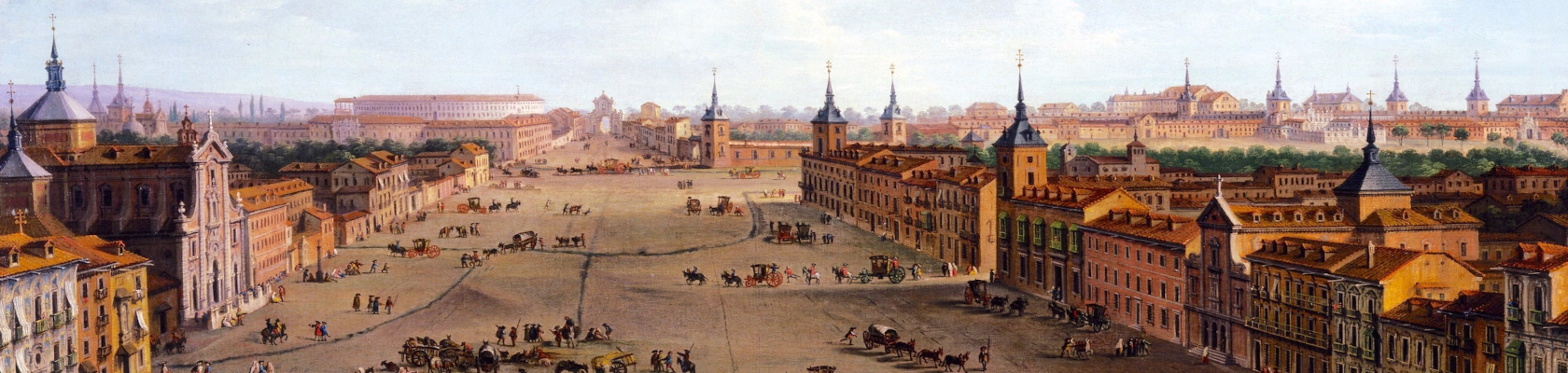
View of Alcalá Street in Madrid
Antonio Joli (c. 1750-1754)
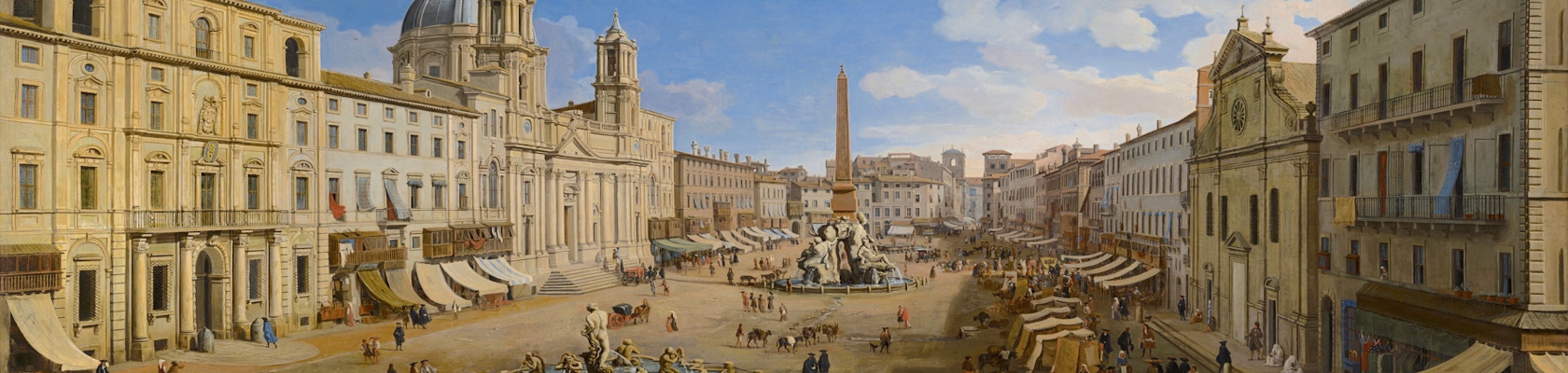
Piazza Navona, Rome
Caspar van WitteI (1699)
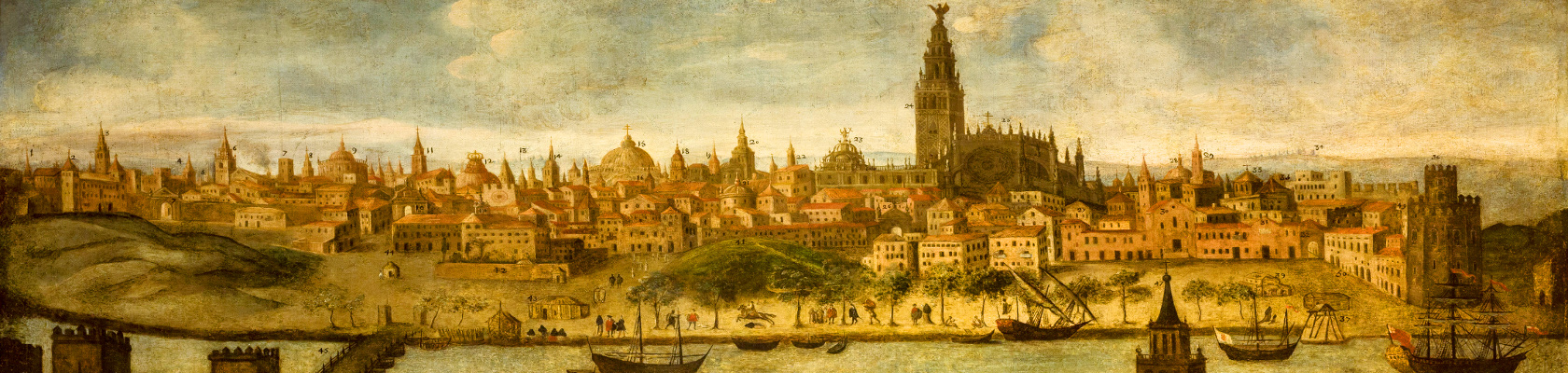
View of Seville from Triana
Anonimous (1726)
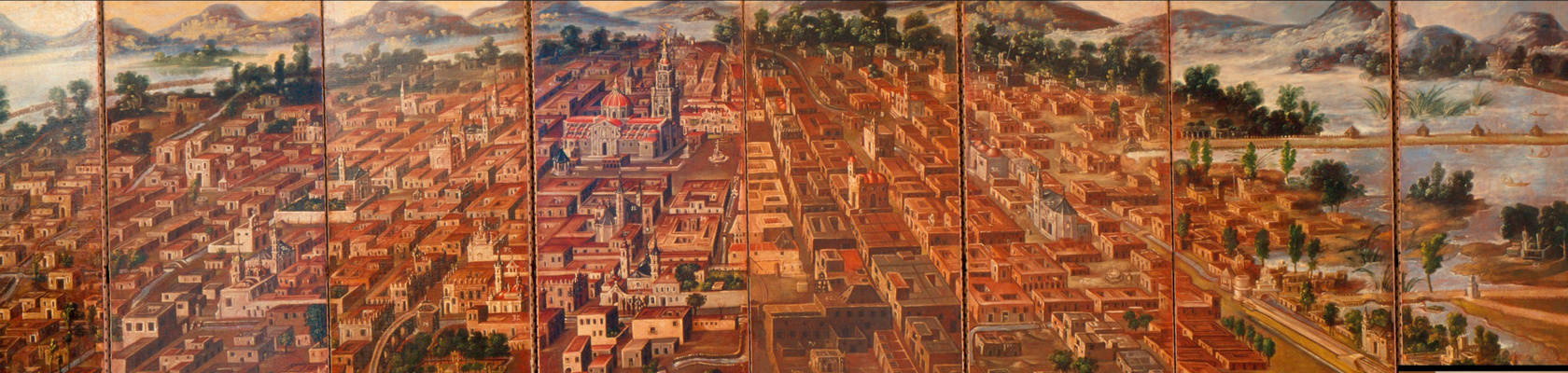
Screen of the most noble and loyal city of Mexico
Anonymous
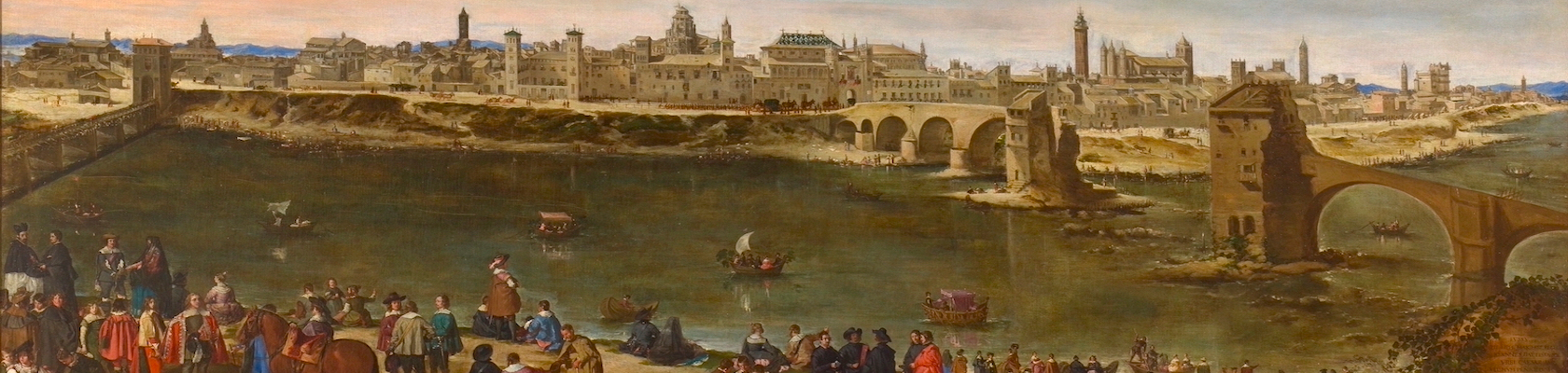
View of Zaragoza
Juan Bautista Martínez del Mazo (1647)
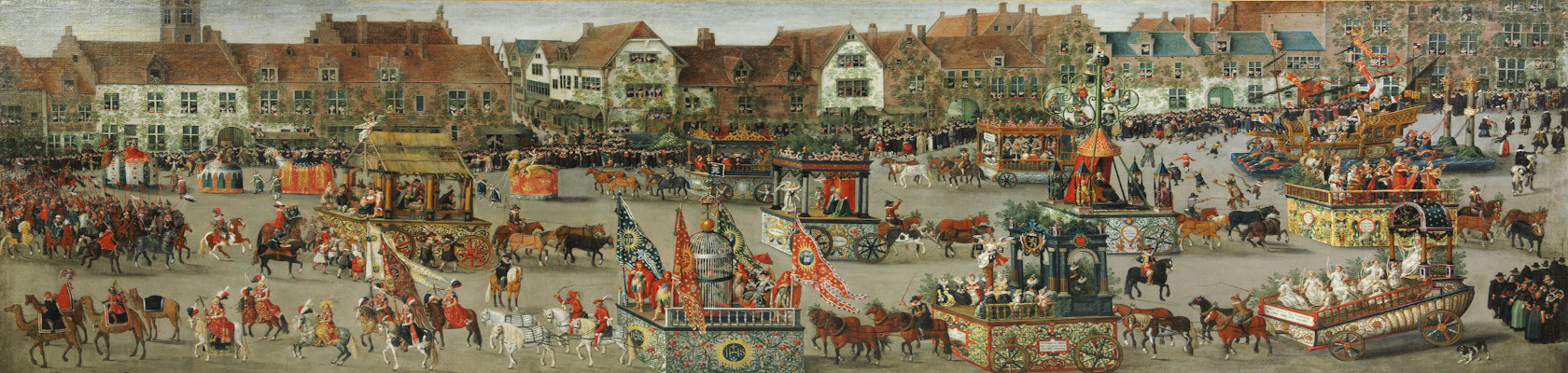
Isabel's triumph (Brussels)
Denis van Alsloot (1616)
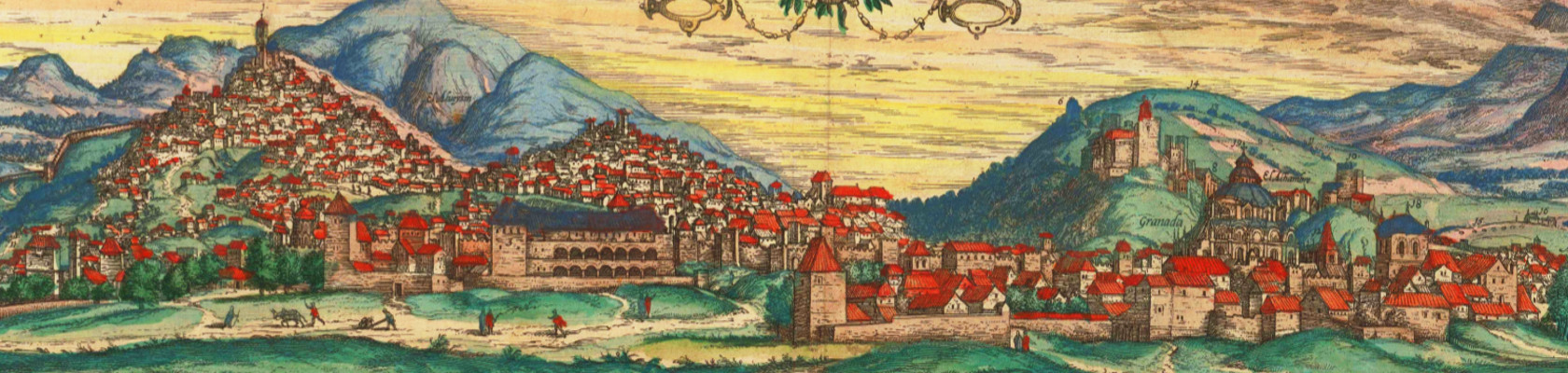
View of Granada
Civitates Orbis Terrarum, vol. 1. Georg Braun & Frans Hogenberg (1572)
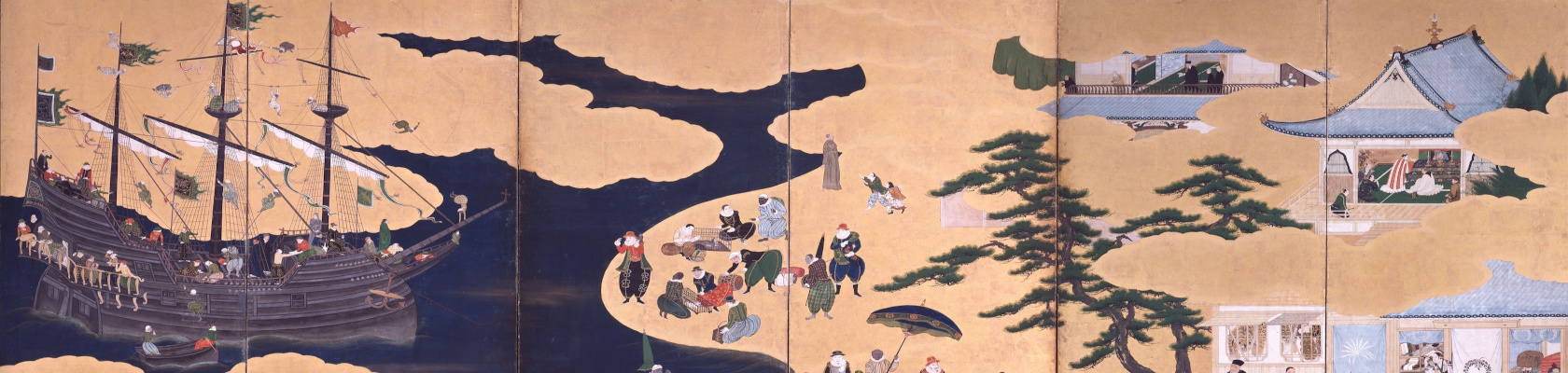
Nanban screen (Japan)
Kano Naizen (c. 1600)
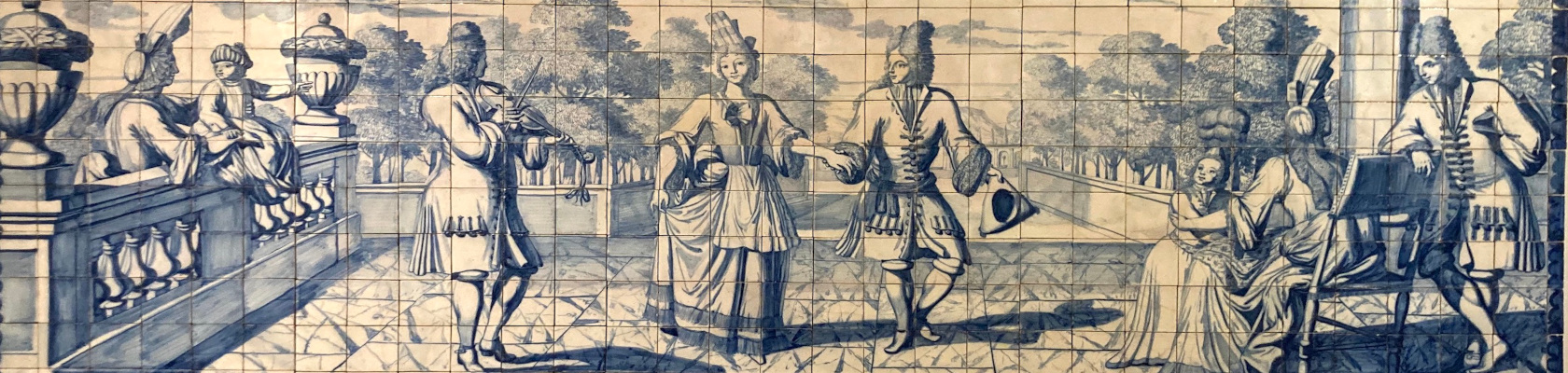
Domestic music scene
Museu Nacional do Azulejo. Lisboa
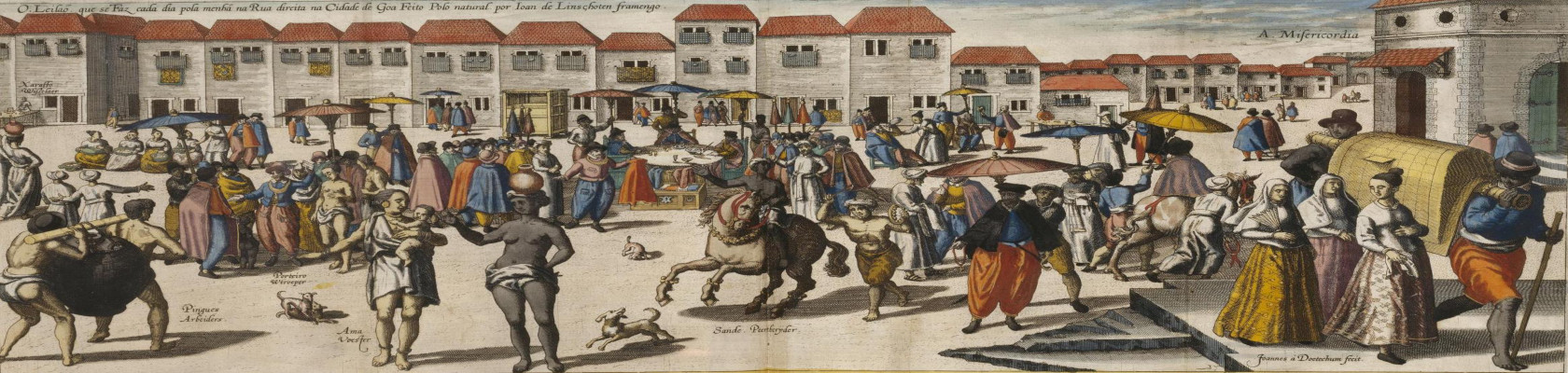
Market. Goa
Itinerario, voyage ofte schipvaert, van Ian Huygen van Linschoten naer de Oost ofte Portugaels Indien (1596)
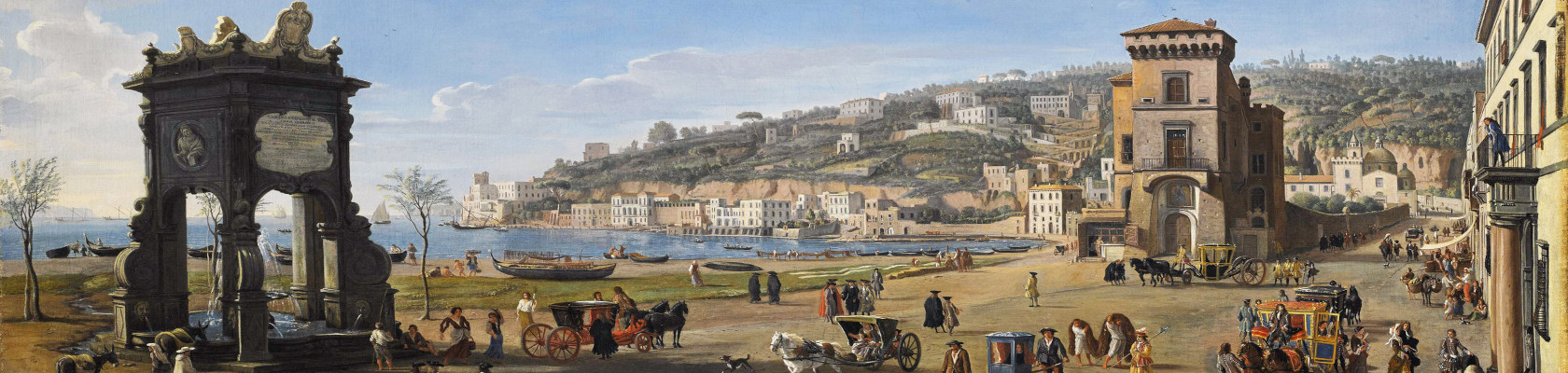
A view of the Riviera di Chiaia. Naples
Gaspar van Wittel (c. 1710)
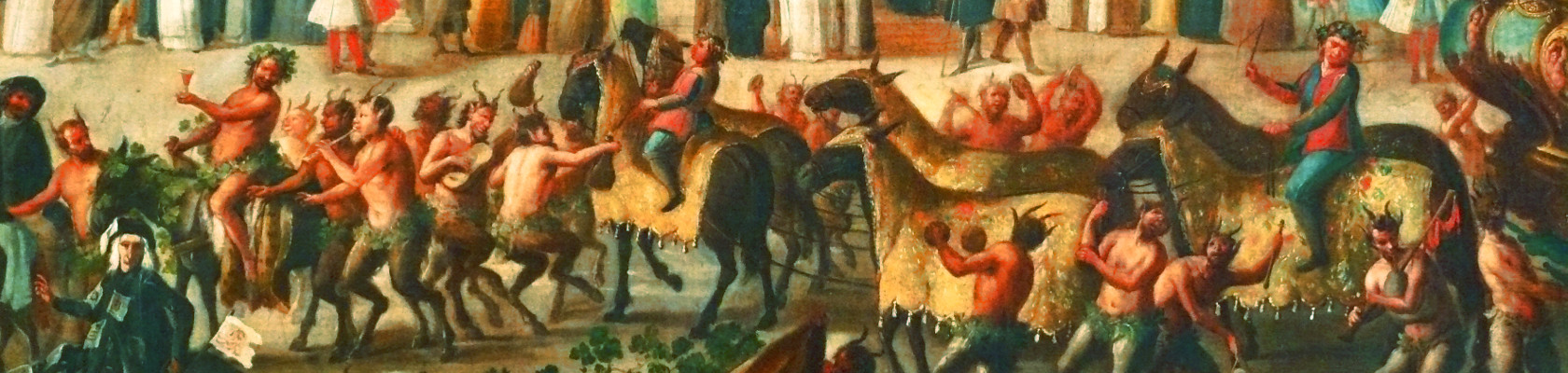
Chariot of the Common Joy (Seville)
Domingo Martínez (1748)
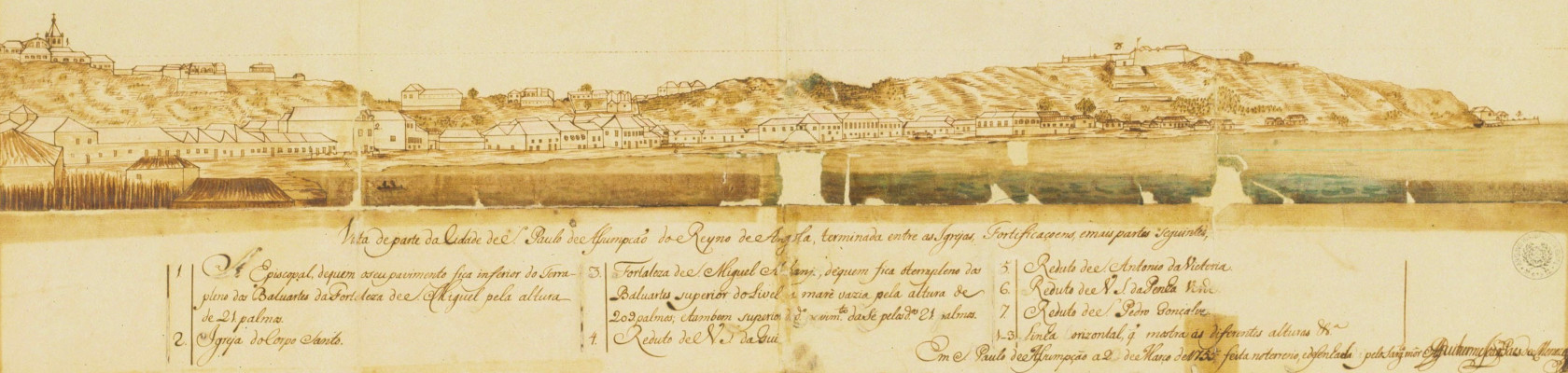
Vista de parte da cidade de S. Paulo do Reyno de Angola
Guilherme Paes de Menezes (1755)
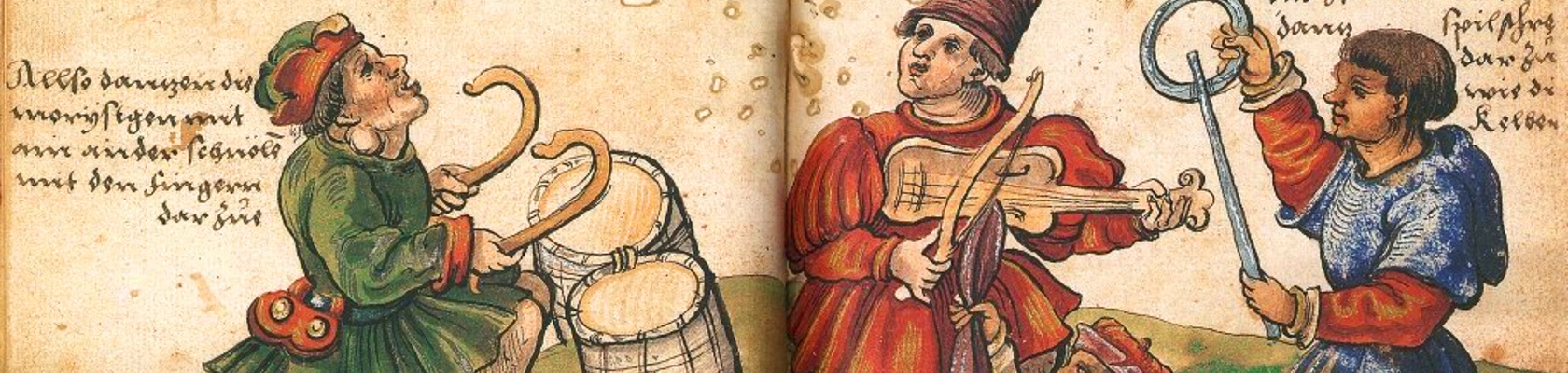
Moorish dance (Granada)
Trachtenbuch. Christoph Weiditz (c. 1530-1340)
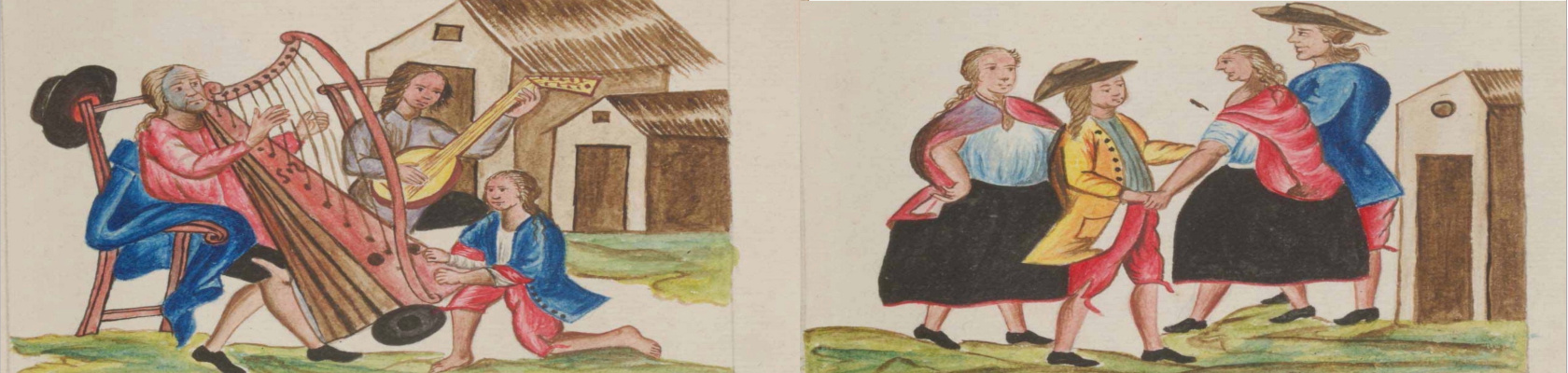
Chusco dance
Códice Trujillo del Peru o Martínez Compañón (c. 1785)
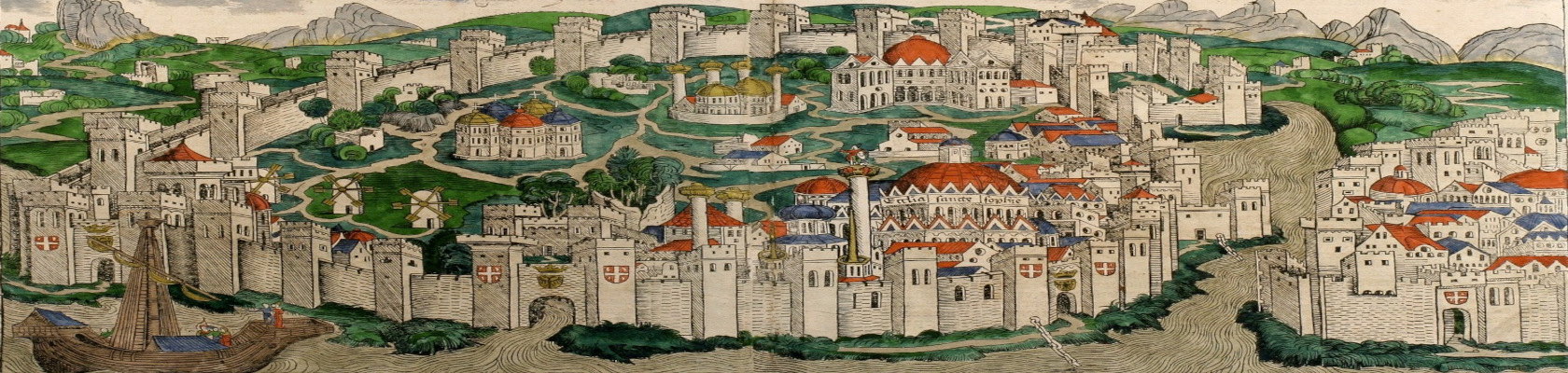
Constantinopolis
Hartmann Schedel (1493)
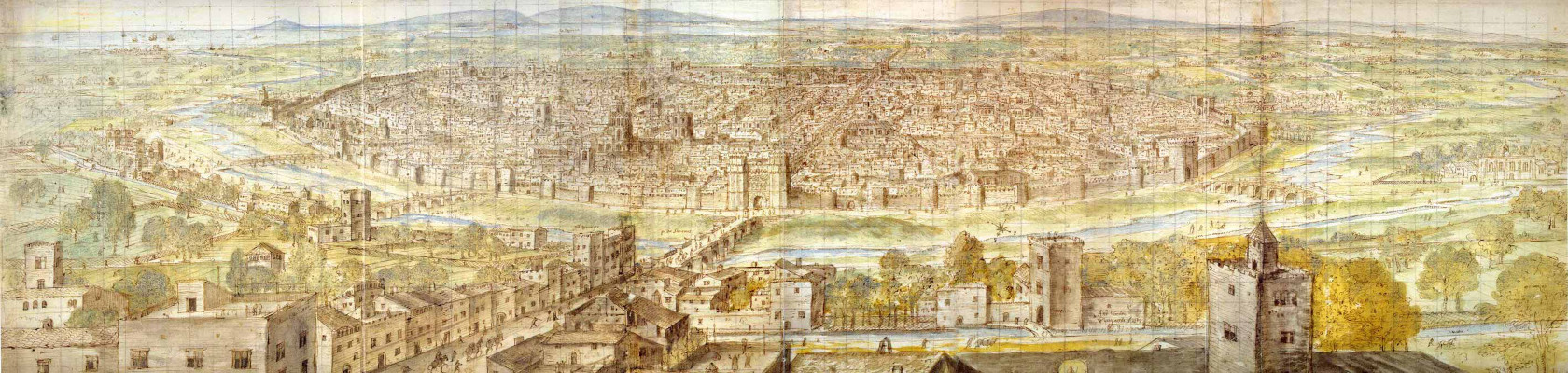
View of Valencia
Anton van der Wyngaerde (1563)
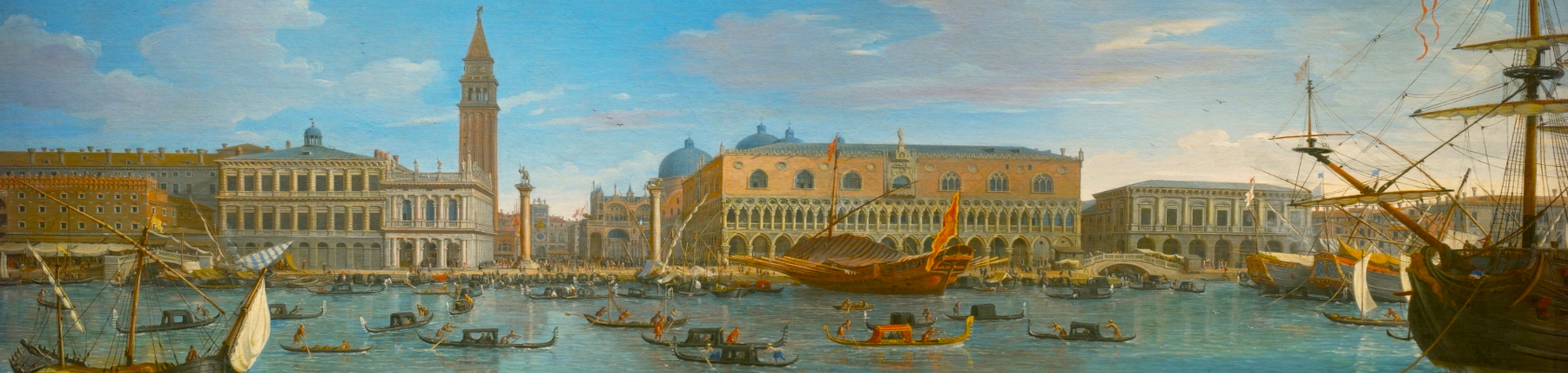
View of Venice from the Island of San Giorgio
Gaspare Vanvitelli (1697)

After the death of Philip IV, a year later, in 1666, the corresponding funeral honours …

On 13 September 1635, the image of Our Lady of Grace and the Blessed Sacrament …

On 1st November 1625, Saint Bonaventure was solemnly proclaimed patron saint of the island of …

During the mandate of the mayor Vicente Cano (1787-1793), important public works and reforms were …
The Archivo Municipal of Granada preserves an extraordinary document that gives us an account of the conflict of interests that must have arisen between the members of the city's luthiers …
The independent taifa of Seville during the Abbasid dynasty ( 1023-1091) was an important cultural centre with its epicentre in the Reales Alcázares. Its last two kings, al-Mu'tadid and al-Mu'tamid, …
The Constituciones del Real Colegio de San Bartolomé y Santiago of Granada (1774) set out the bell tolls that regulated collegiate life and the limited use that students could make …
In 1502, Francisco de la Torre, singer, chapel master and composer, lived in a house rented by the Chapter of Seville Cathedral. It was a residence of considerable size, with …
The space of the Alameda del río Genil, in Granada, was, at least since the 18th century, a recreational space for the citizens, where a second "Casa de las Chirimías" …
The Ordenanzas de Sevilla, published in 1527, established that there would be fourteen town criers in the city and precisely regulated the details of the exercise of their profession.
Once the work on the Capilla Real had been completed, Emperor Charles V ordered the dean and chapter of Granada Cathedral and the senior chaplain of the capilla real to …
From its first foundation in 1504, the royal chapel was based in the convent of San Francisco de la Alhambra, where the bodies of the Catholic kings were deposited. It …
The Dominican Diego de Deza was archbishop of the diocese of Seville between 1505 and 1523, establishing his residence in the archbishop's palace. He had several musicians in his service …
On the 19th of December 1703, the chapters of the Cathedral and the City Council of Granada joined together to celebrate the twenty-first birthday of King Philip V. After a …