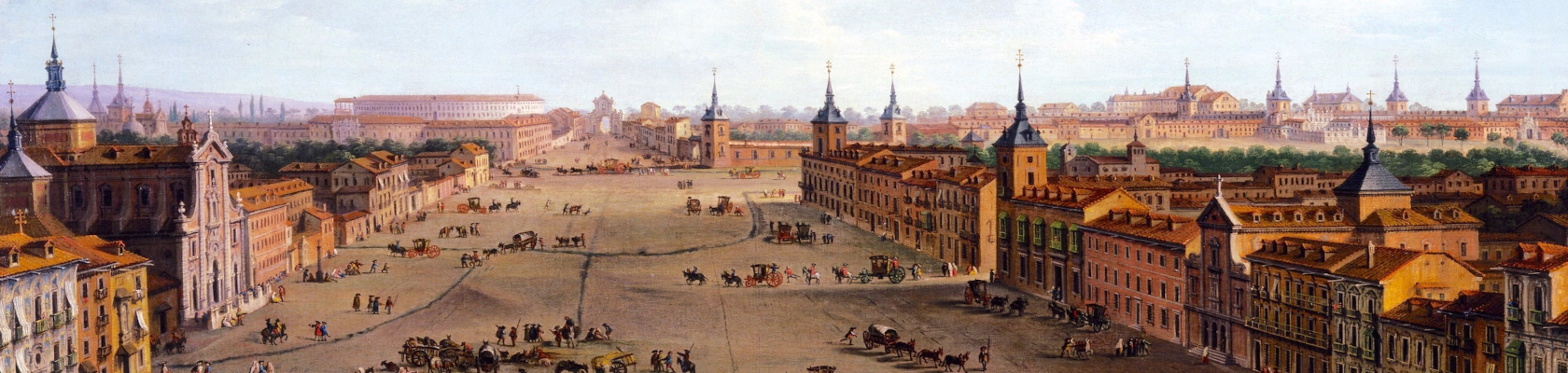
View of Alcalá Street in Madrid
Antonio Joli (c. 1750-1754)
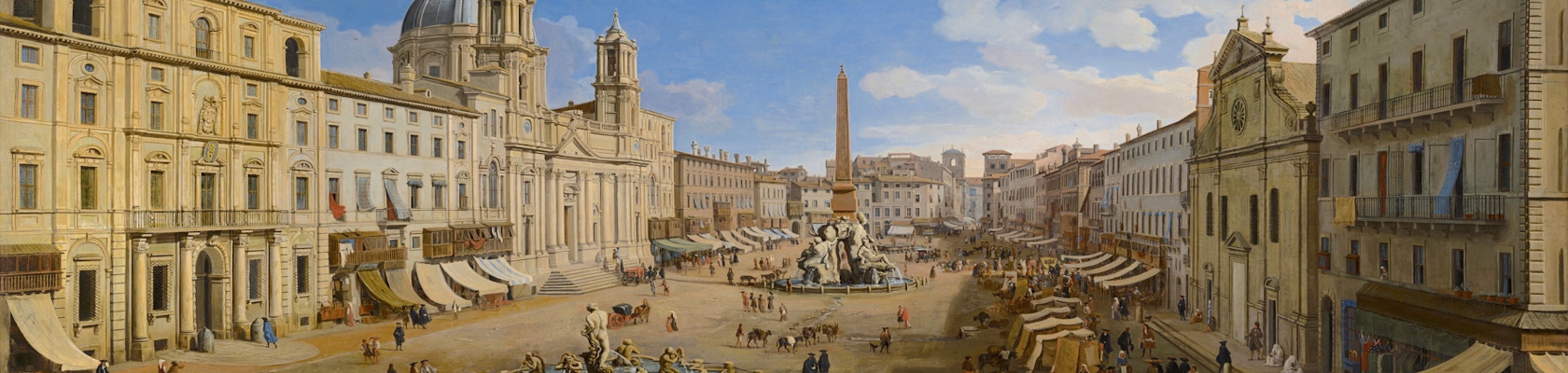
Piazza Navona, Rome
Caspar van WitteI (1699)
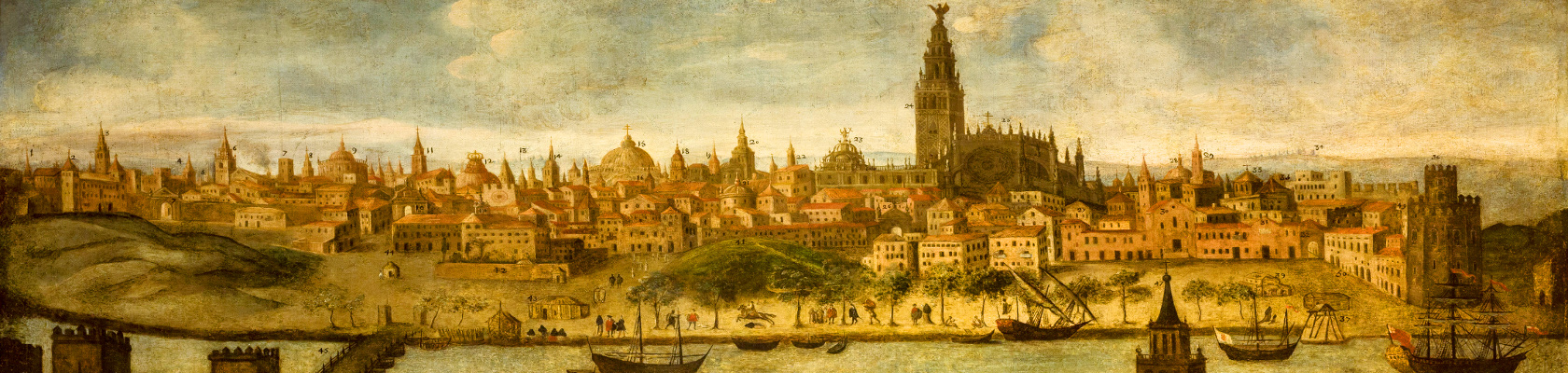
View of Seville from Triana
Anonimous (1726)
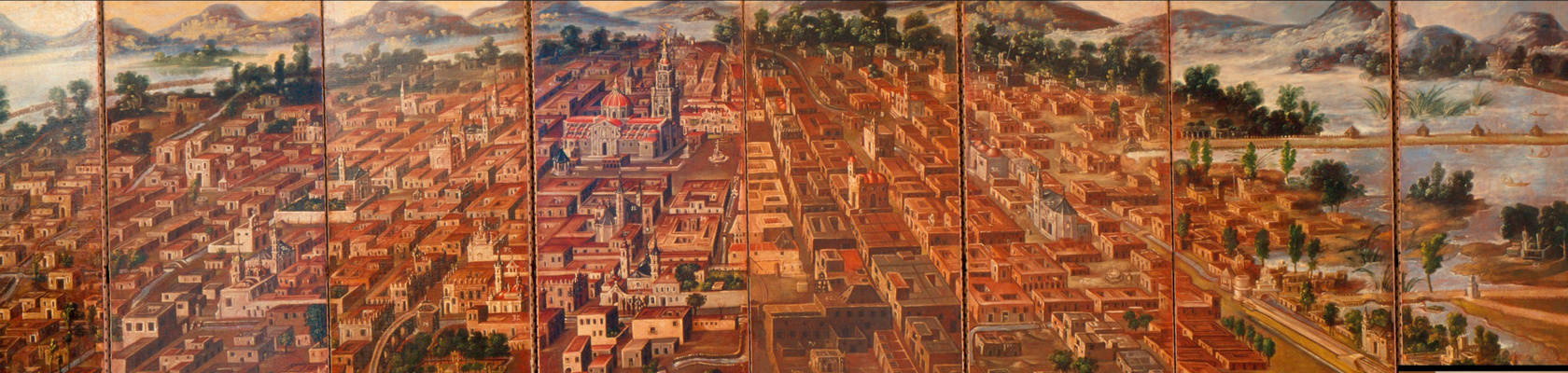
Screen of the most noble and loyal city of Mexico
Anonymous
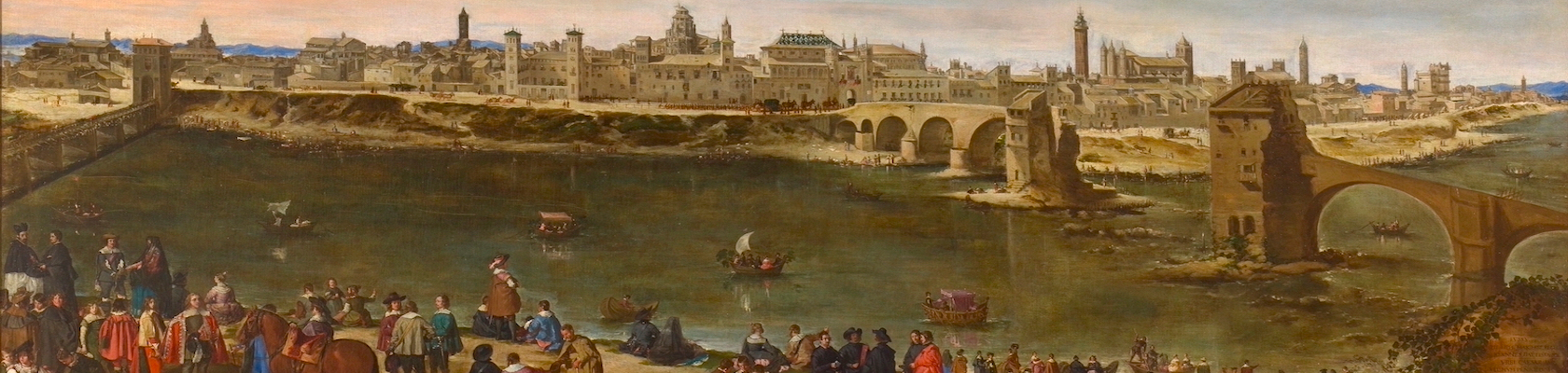
View of Zaragoza
Juan Bautista Martínez del Mazo (1647)
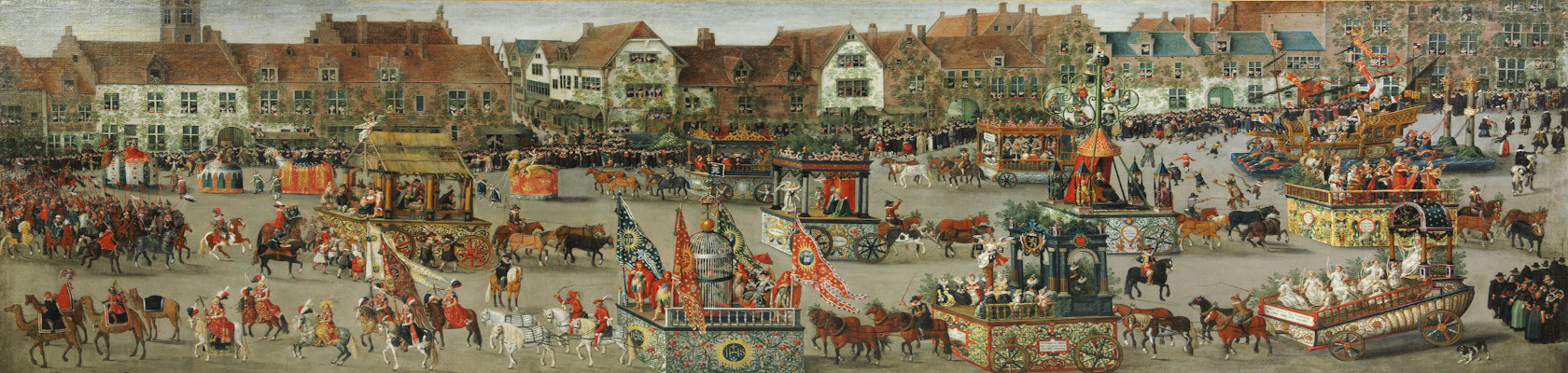
Isabel's triumph (Brussels)
Denis van Alsloot (1616)
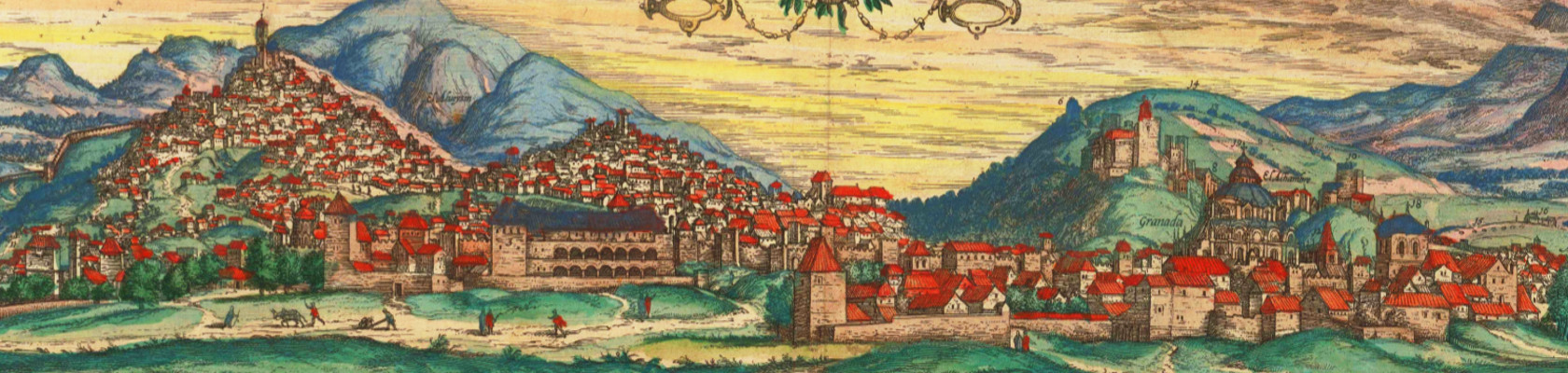
View of Granada
Civitates Orbis Terrarum, vol. 1. Georg Braun & Frans Hogenberg (1572)
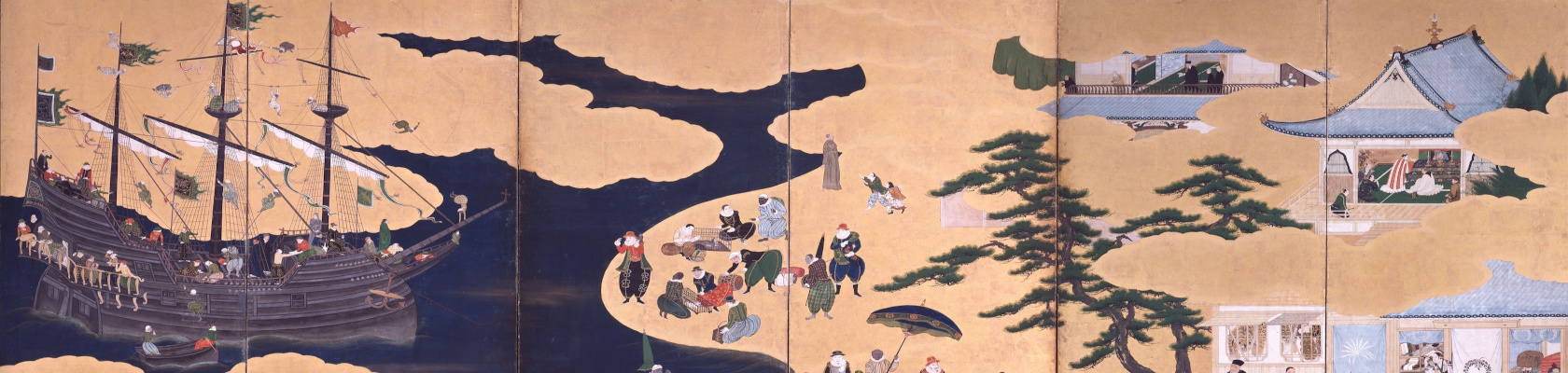
Nanban screen (Japan)
Kano Naizen (c. 1600)
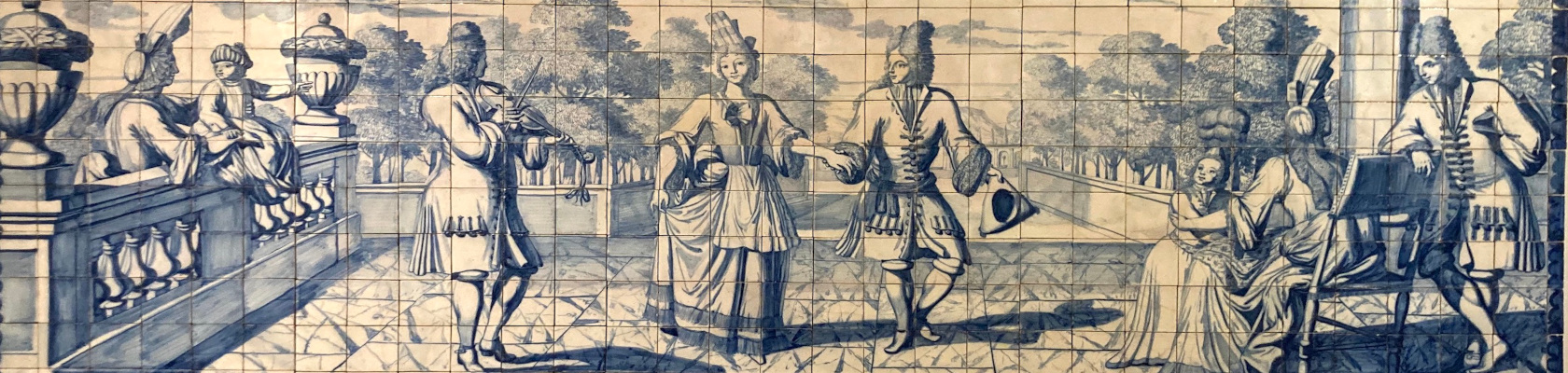
Domestic music scene
Museu Nacional do Azulejo. Lisboa
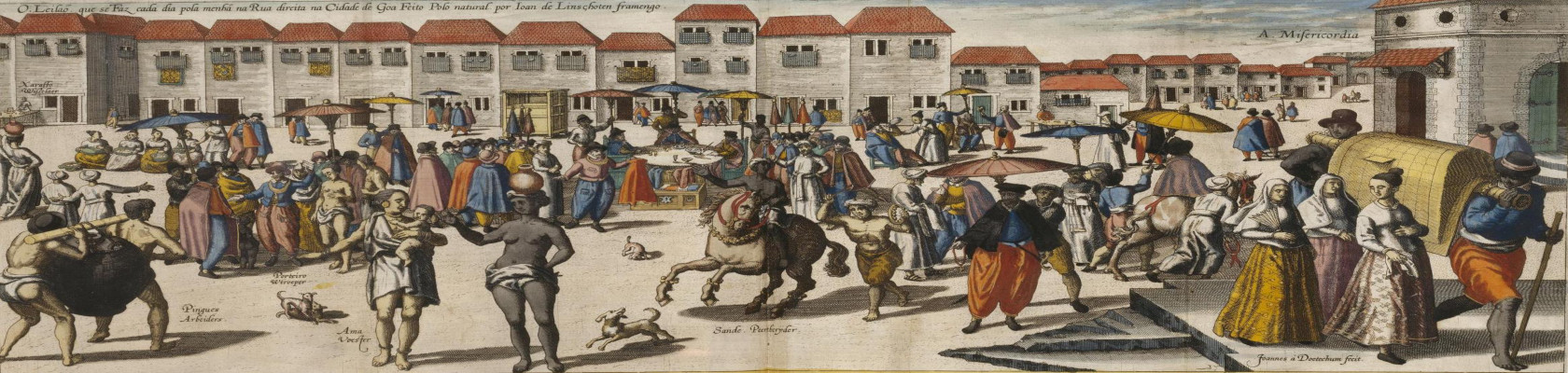
Market. Goa
Itinerario, voyage ofte schipvaert, van Ian Huygen van Linschoten naer de Oost ofte Portugaels Indien (1596)
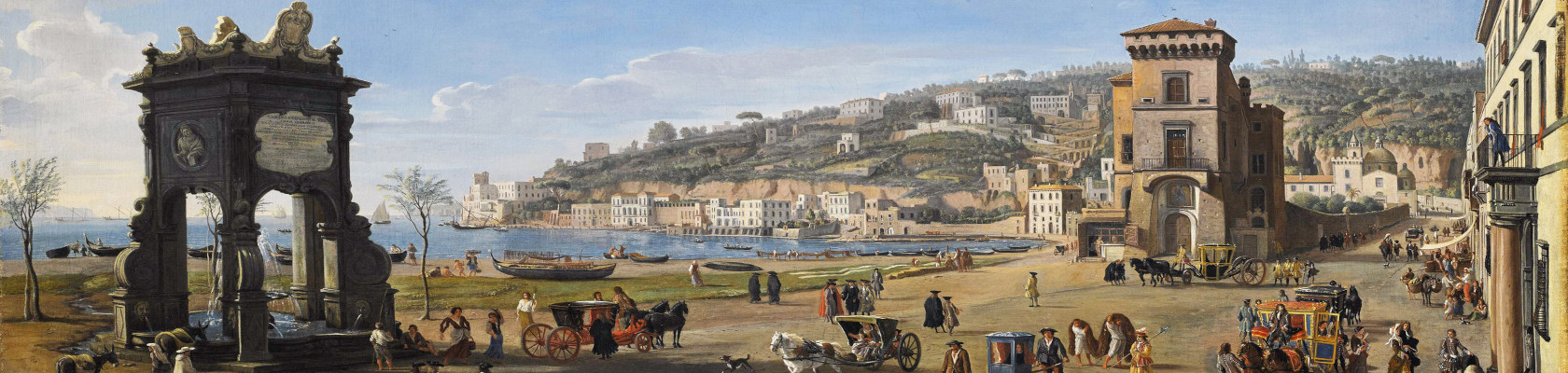
A view of the Riviera di Chiaia. Naples
Gaspar van Wittel (c. 1710)
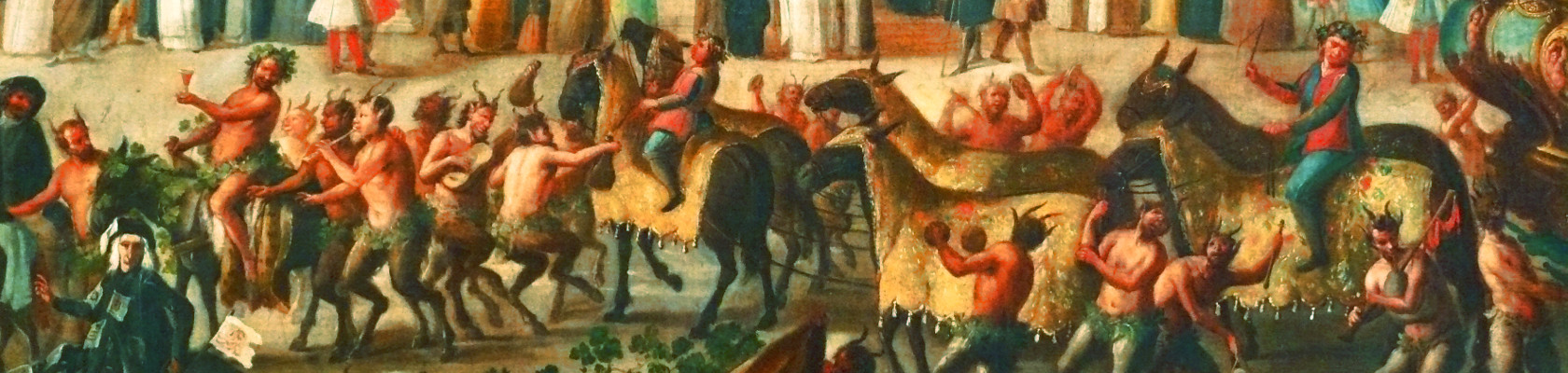
Chariot of the Common Joy (Seville)
Domingo Martínez (1748)
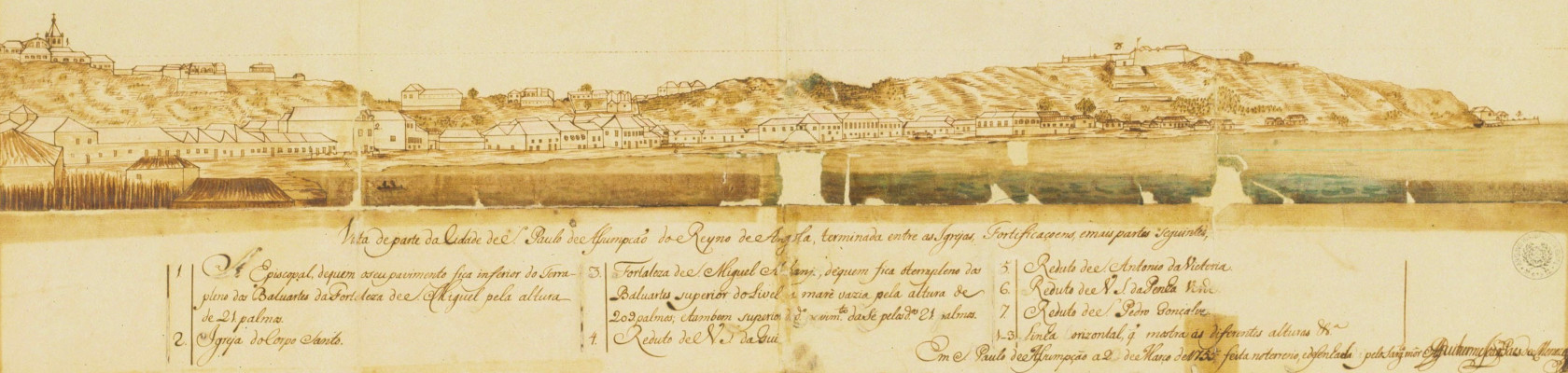
Vista de parte da cidade de S. Paulo do Reyno de Angola
Guilherme Paes de Menezes (1755)
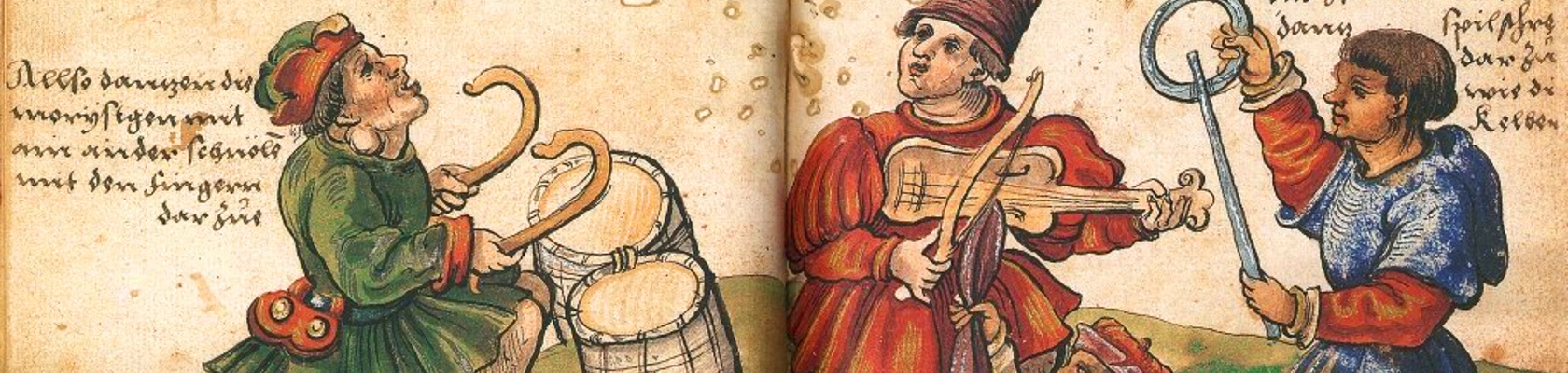
Moorish dance (Granada)
Trachtenbuch. Christoph Weiditz (c. 1530-1340)
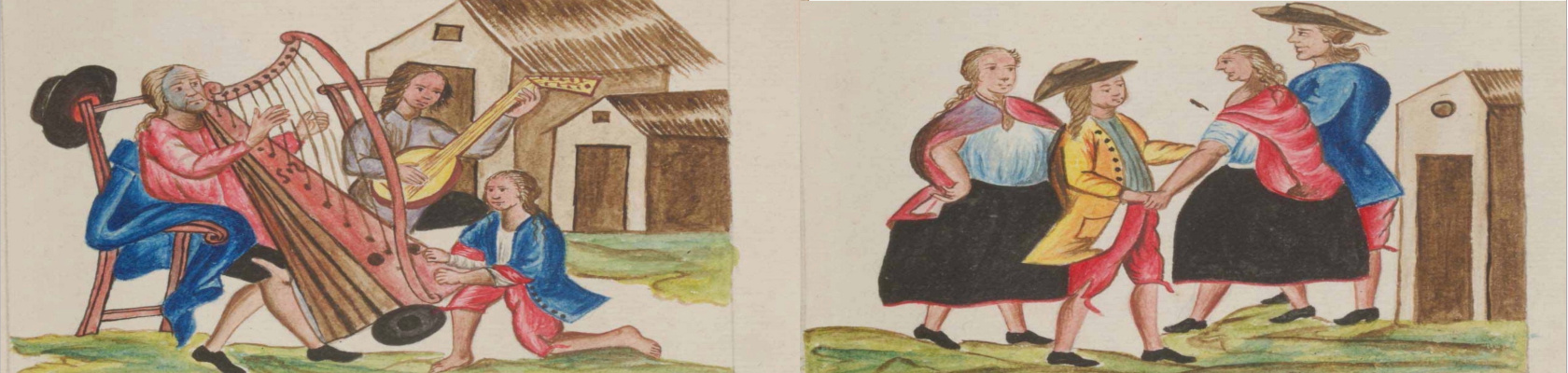
Chusco dance
Códice Trujillo del Peru o Martínez Compañón (c. 1785)
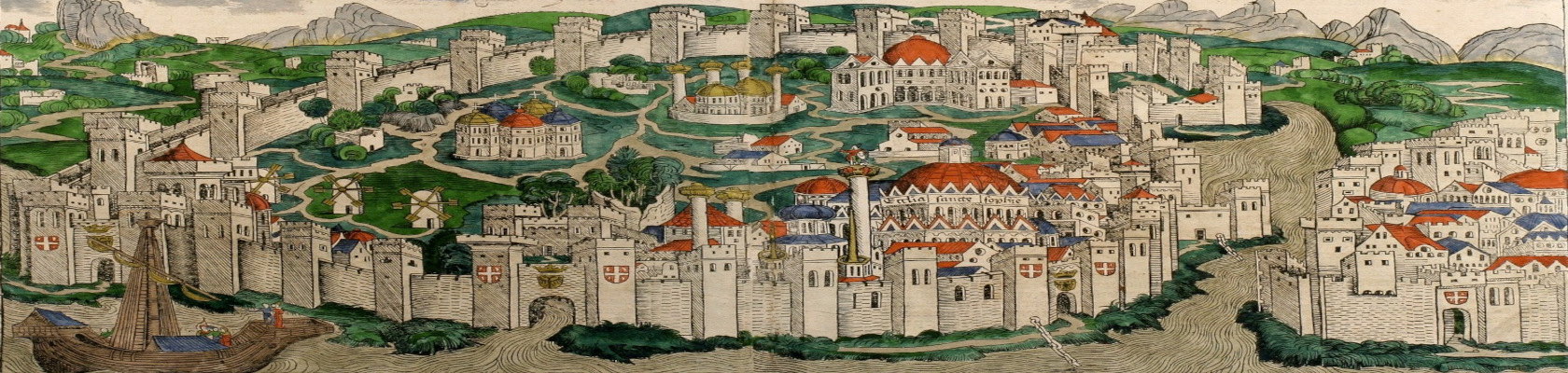
Constantinopolis
Hartmann Schedel (1493)
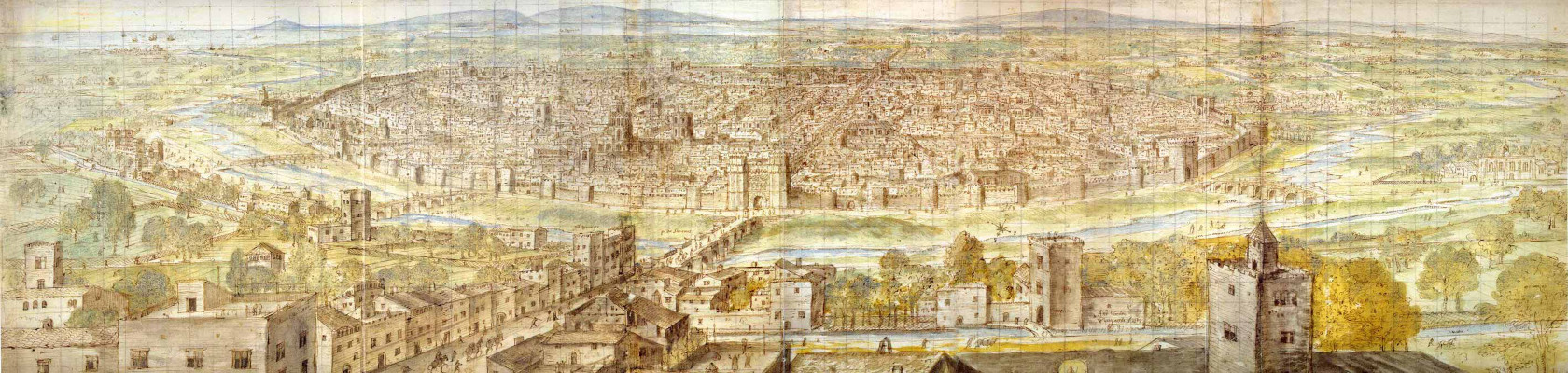
View of Valencia
Anton van der Wyngaerde (1563)
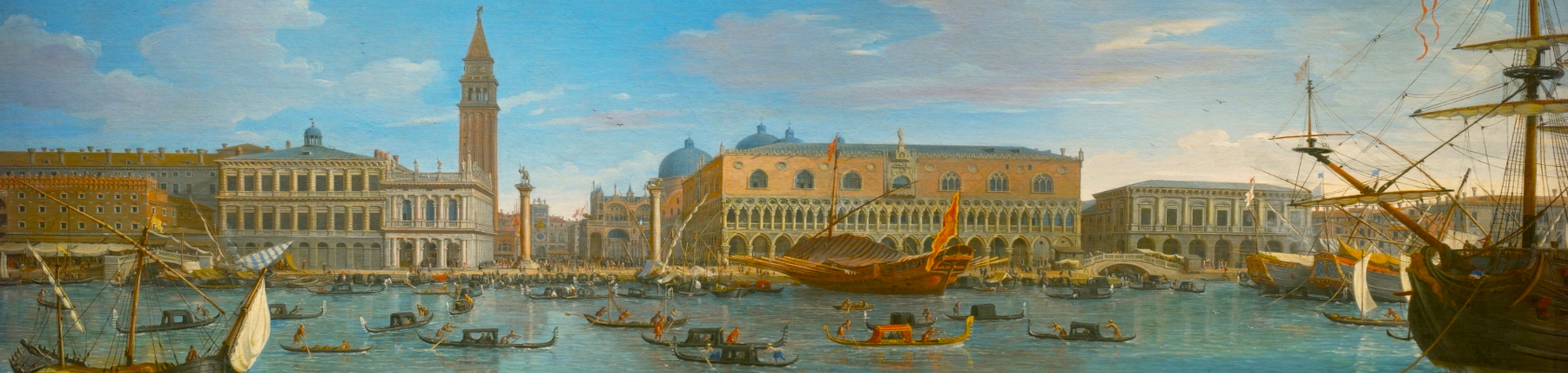
View of Venice from the Island of San Giorgio
Gaspare Vanvitelli (1697)
"We've taken a leap into the future so you can travel to the past. Sign up and access our AI chat.
What new feature does this chat offer?
Natural Language: Ask it anything you want to know as if you were talking to a tutor: Which cities did Francisco Guerrero visit on his trip to Jerusalem? or Is there an article about bells?, for example.
Smart Access: Not only does it respond based on the content available on Historical Soundscapes, but it also provides links to articles where you can verify the accuracy of its response.

In 1368, under the bishopric of Andrés Pérez Navarro, the dean and chapter of the …

In this article we analyse the sensory elements of an important ritual that was celebrated …

Villancicos composed for the religious profession of nuns at the convent of Nuestra Señora de …

In 1581, the organ builder Diego Liger de Sanforte travelled from Granada to Córdoba to …
The Ommegang parade has its roots in the late Middle Ages, linked to the image of Our Lady of the Sablon. On the occasion of the arrival of Carlos V …
Francisco Pérez de Mirabal was born c. 1698 in Antequera (Málaga). He kept open his workshop for the construction of harpshicords and pianos in Seville at least between c. 1727-c-1773. …
On December 20, 1548, Prince Felipe made his entry into Milan. This event gives an account of the sound elements of his itinerary to the palazzo reale, in which it …
In 1783, Antonio Ponz, secretary of the Real Academia de San Fernando, undertook a trip that would last six months in which he would travel through several countries in Europe. …
A lawsuit resulting from a conflict of interests allows us to identify a previously unknown wind-band in the service of the church of San Andrés in Baeza in 1631. The …
The oldest extant Llibre de Fàbrica of the Cathedral of Mallorca (1327-1345) provides us some information about the musical activity in this institution. In this event, you will find the …
In a letter dated 30 August 1679, the French countess of Aulnoy wrote that cardinal Portocarrero «had brought musicians from Rome whom he paid very well» and described a banquet …
Black musicians – including drummers, trumpeters, wind-players and singers – were active throughout Europe during the fifteenth and sixteenth centuries employed at courts and by civic authorities. Some were slaves; others …
From the beginning of the 16th century, in the diocese of the Canarias, suffragan of Seville, we find the foundation of two liturgical services that had previously been founded in …
The Palau de la Comtessa (Palace of the Countess) in Barcelona was an important setting for social networking and meetings between members of the nobility, royalty, and government in the …