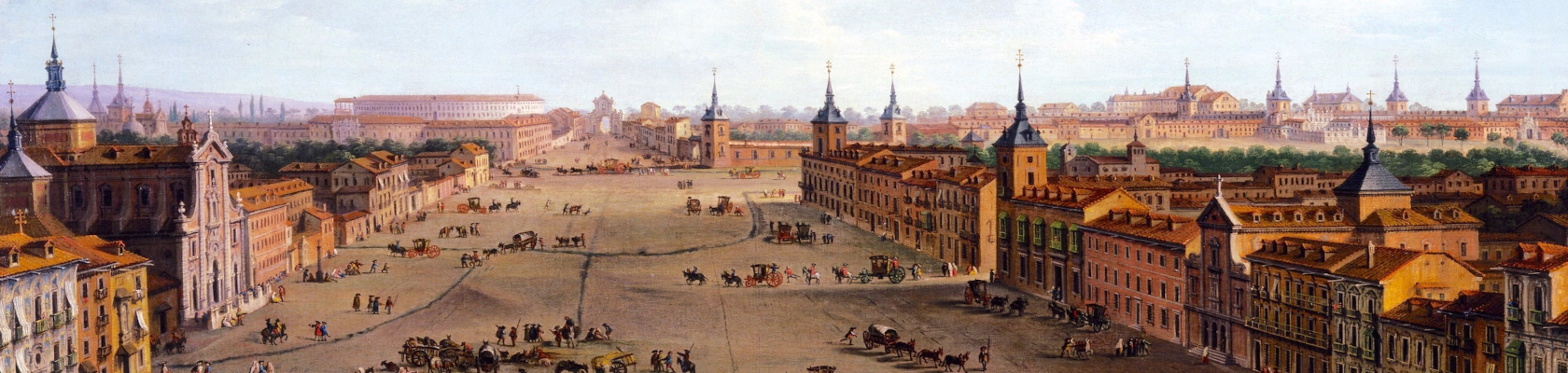
View of Alcalá Street in Madrid
Antonio Joli (c. 1750-1754)
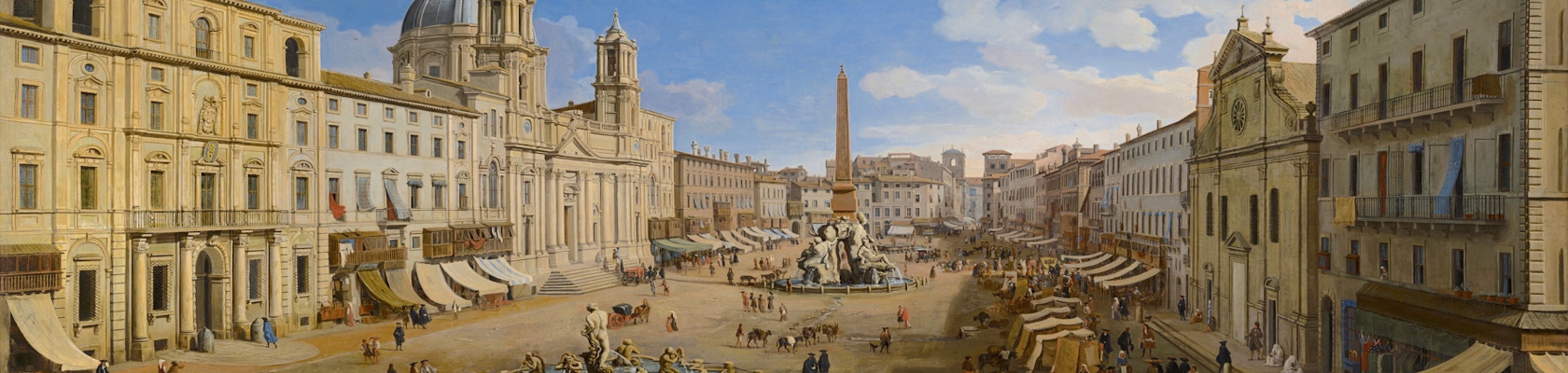
Piazza Navona, Rome
Caspar van WitteI (1699)
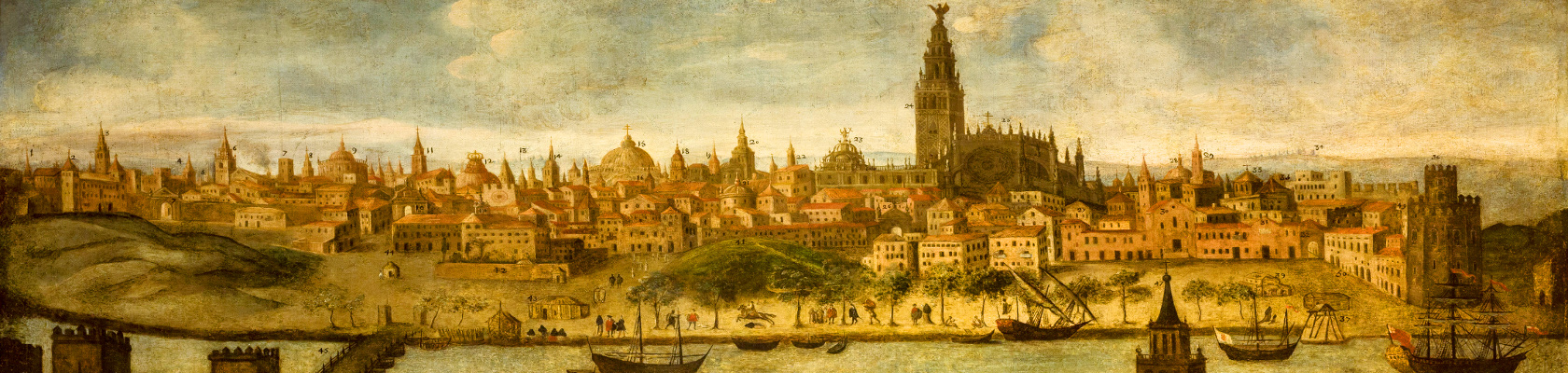
View of Seville from Triana
Anonimous (1726)
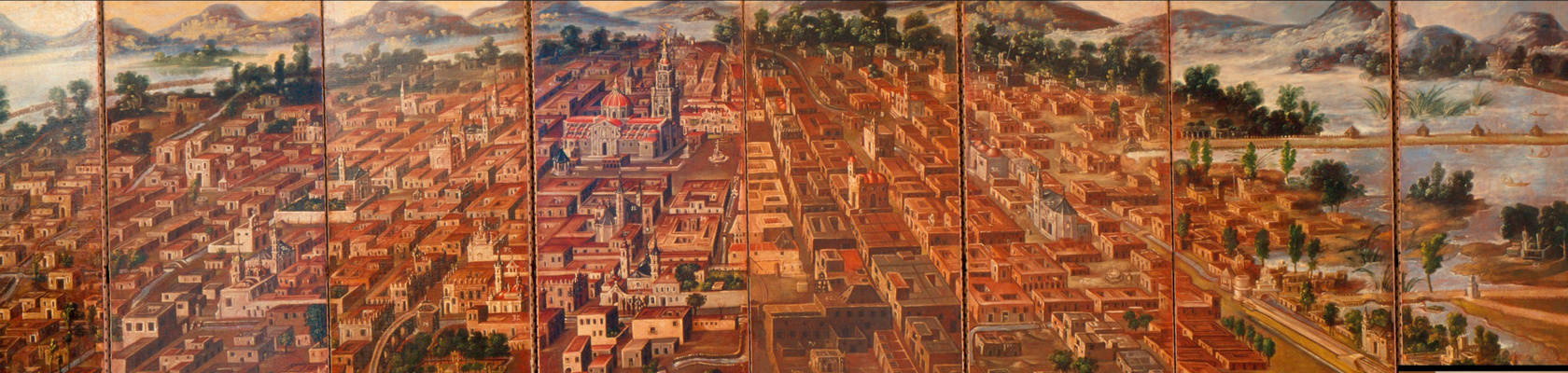
Screen of the most noble and loyal city of Mexico
Anonymous
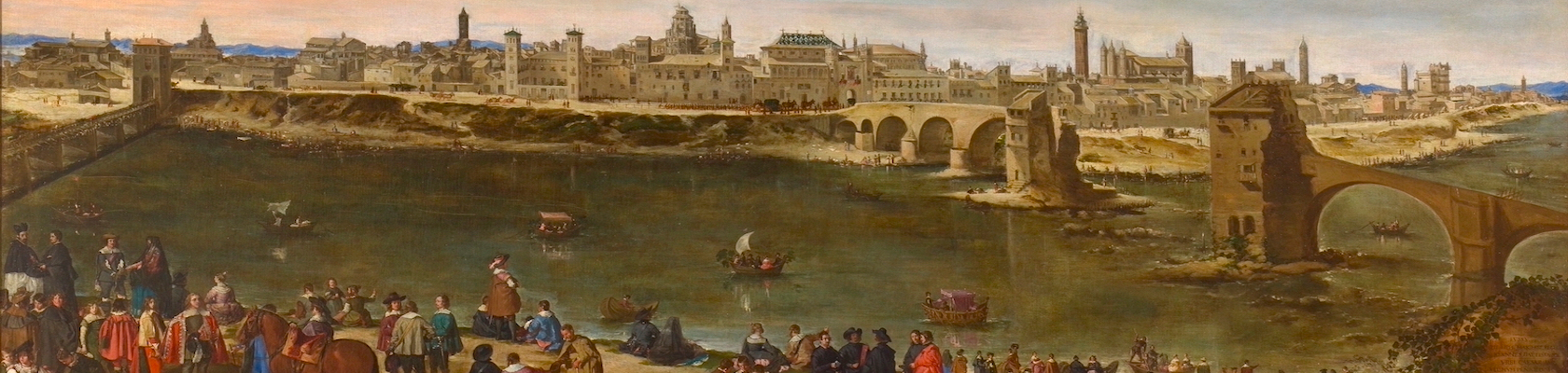
View of Zaragoza
Juan Bautista Martínez del Mazo (1647)
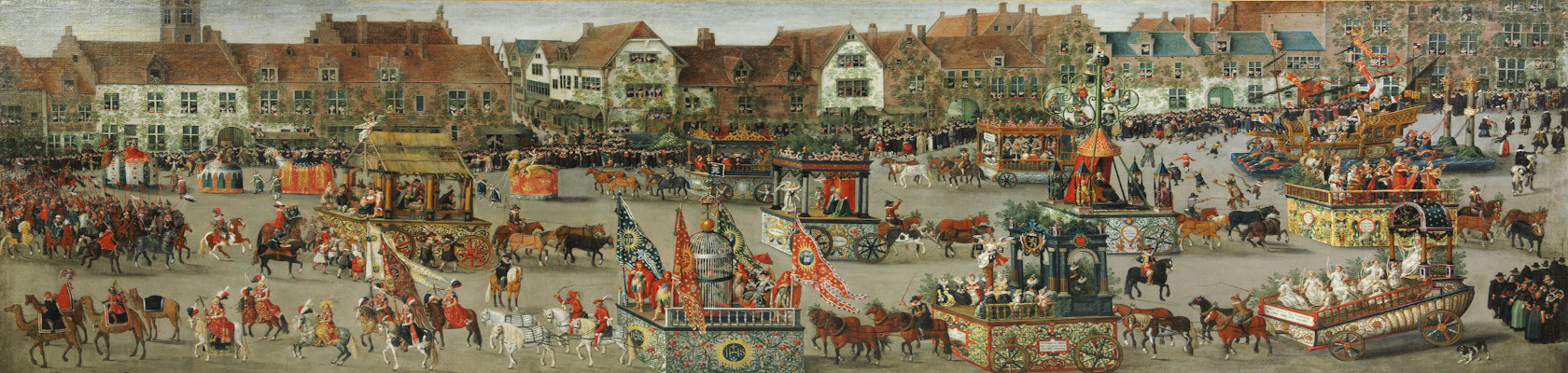
Isabel's triumph (Brussels)
Denis van Alsloot (1616)
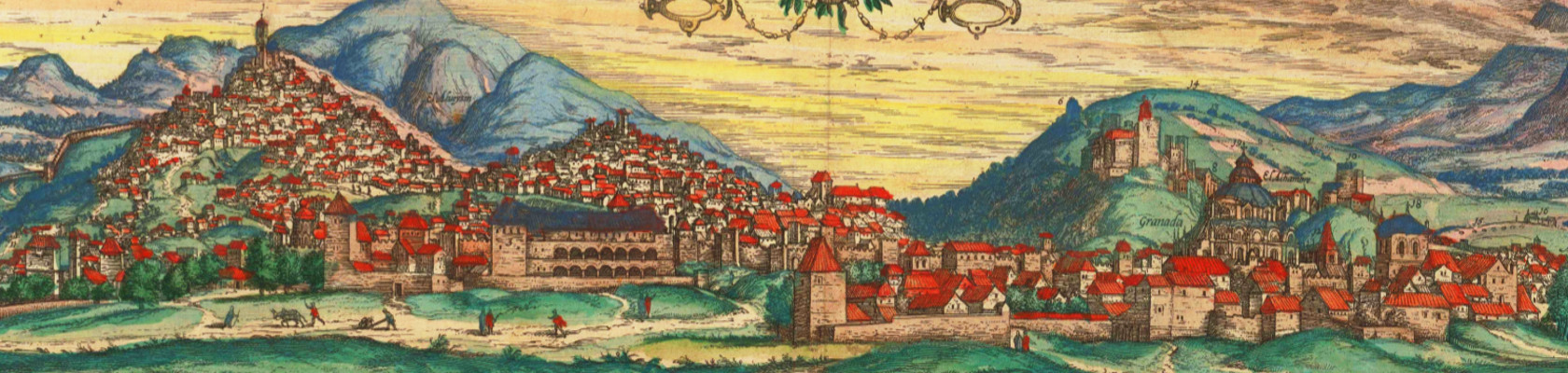
View of Granada
Civitates Orbis Terrarum, vol. 1. Georg Braun & Frans Hogenberg (1572)
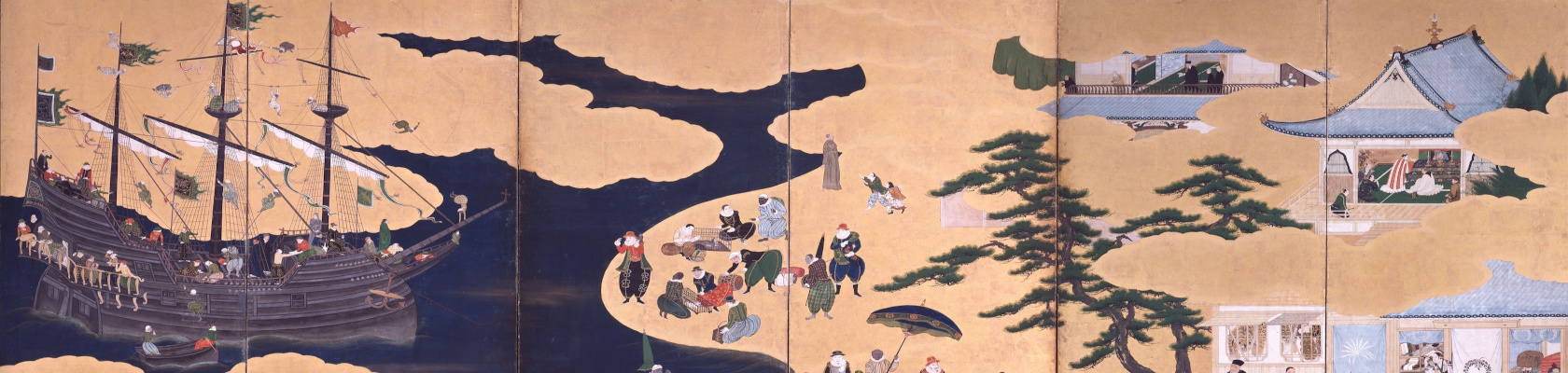
Nanban screen (Japan)
Kano Naizen (c. 1600)
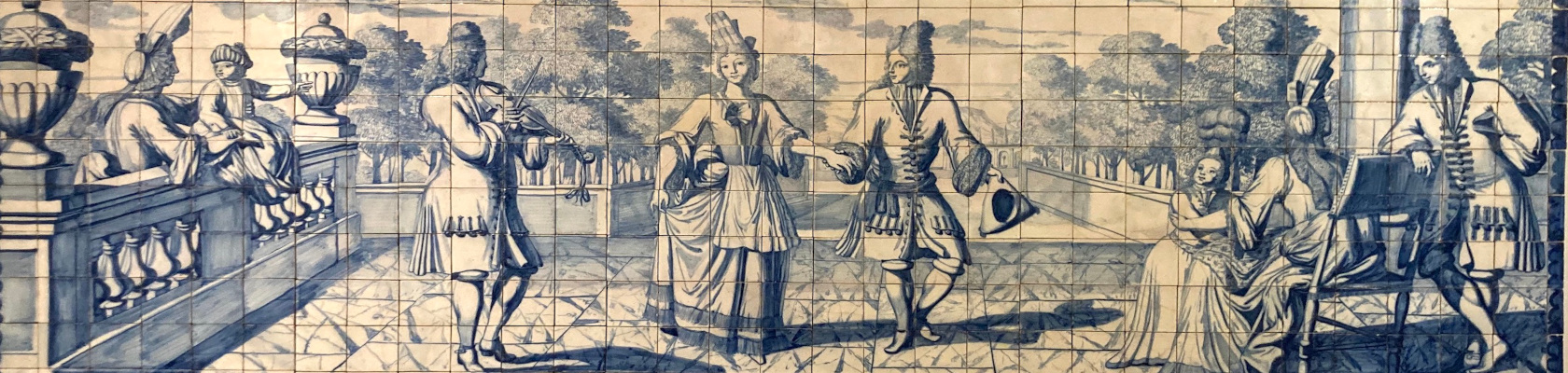
Domestic music scene
Museu Nacional do Azulejo. Lisboa
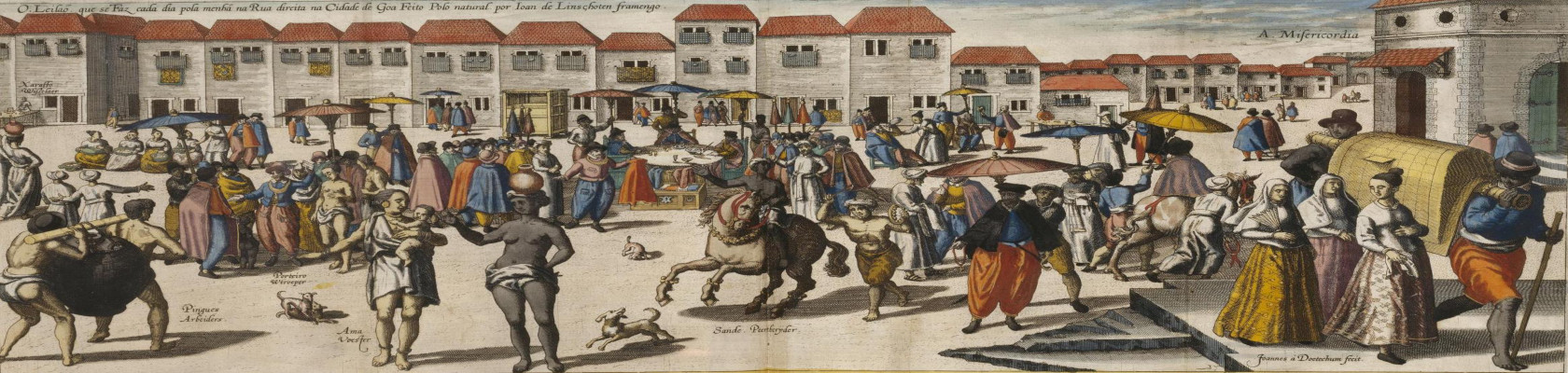
Market. Goa
Itinerario, voyage ofte schipvaert, van Ian Huygen van Linschoten naer de Oost ofte Portugaels Indien (1596)
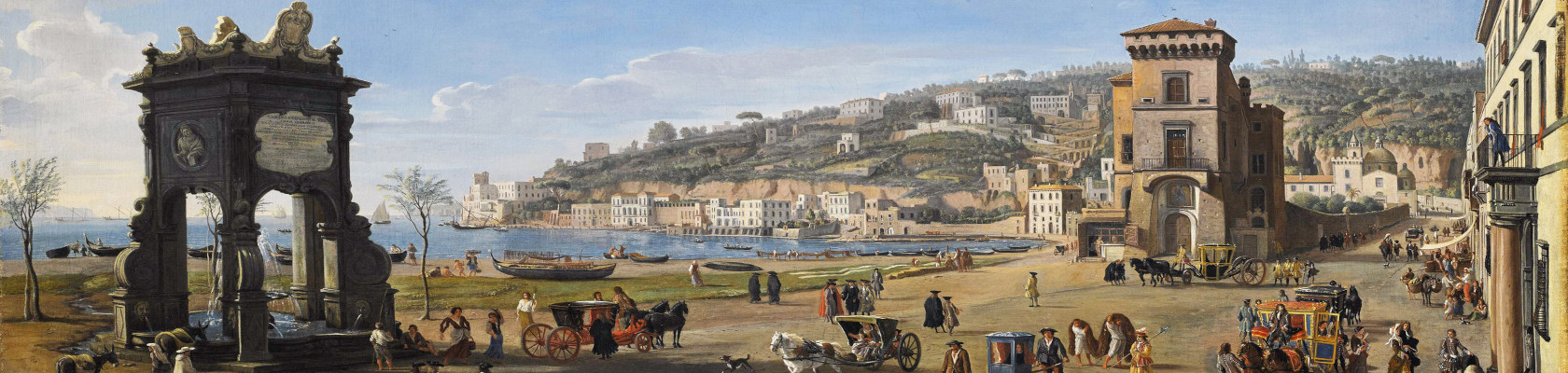
A view of the Riviera di Chiaia. Naples
Gaspar van Wittel (c. 1710)
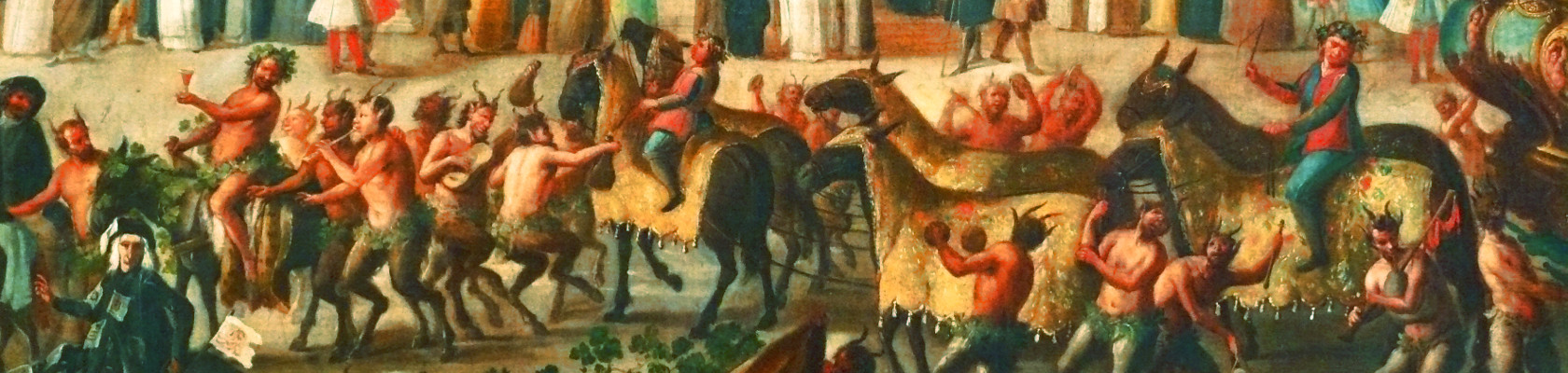
Chariot of the Common Joy (Seville)
Domingo Martínez (1748)
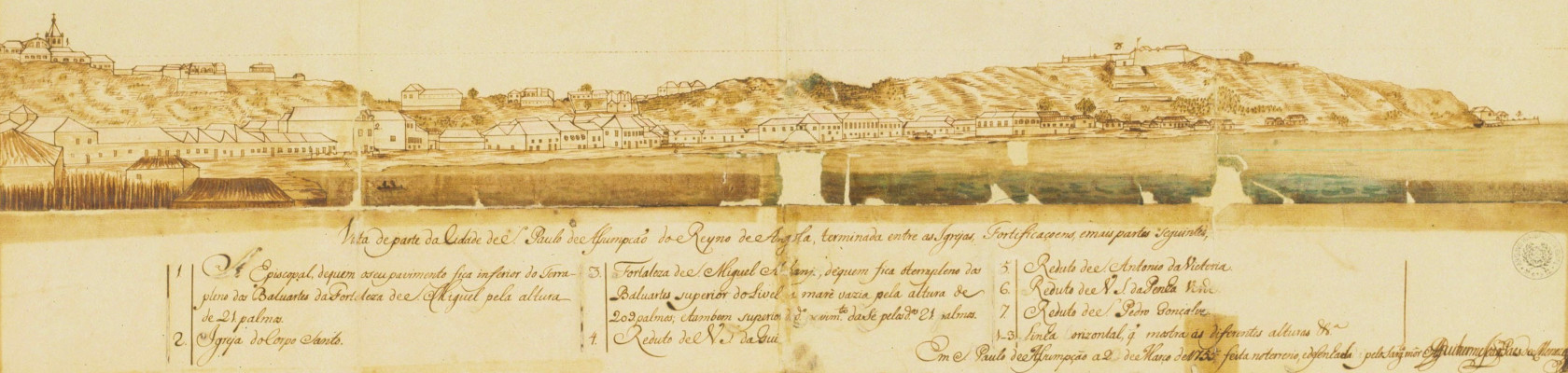
Vista de parte da cidade de S. Paulo do Reyno de Angola
Guilherme Paes de Menezes (1755)
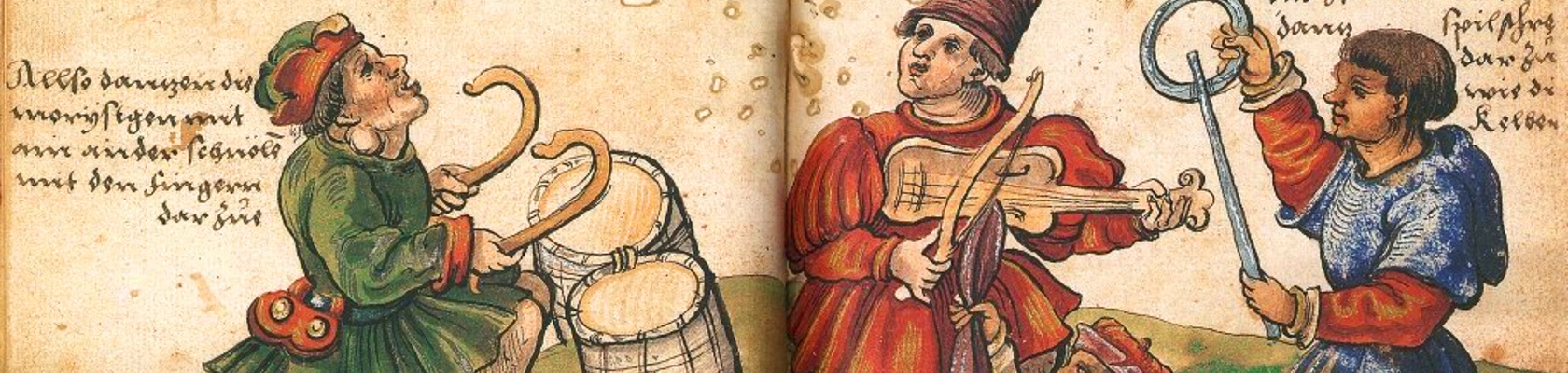
Moorish dance (Granada)
Trachtenbuch. Christoph Weiditz (c. 1530-1340)
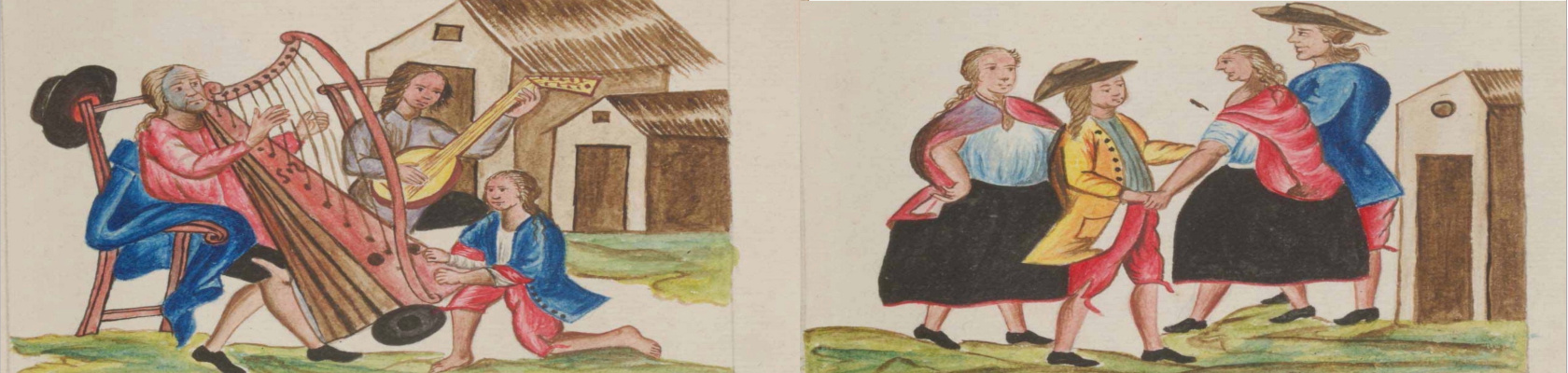
Chusco dance
Códice Trujillo del Peru o Martínez Compañón (c. 1785)
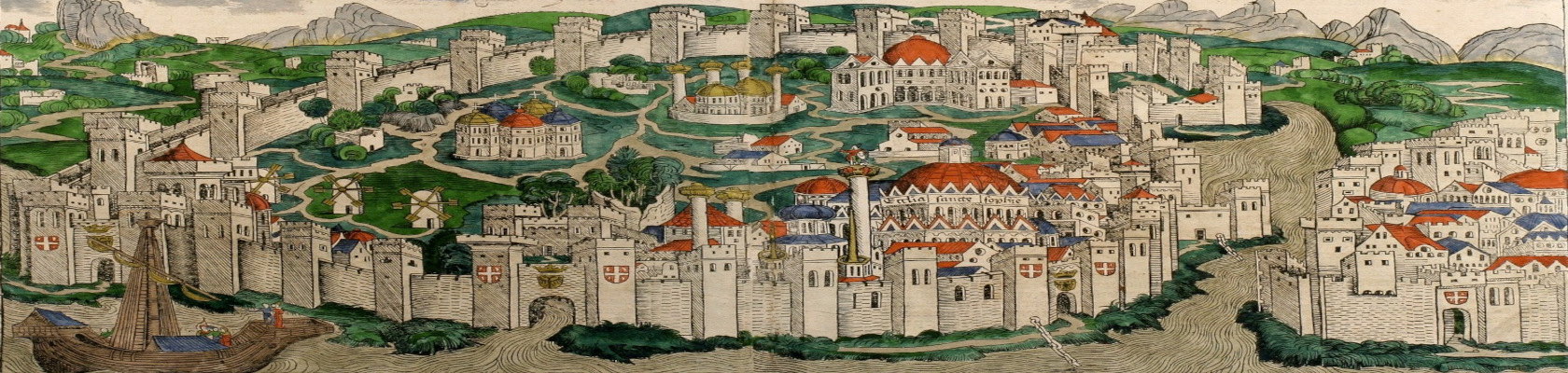
Constantinopolis
Hartmann Schedel (1493)
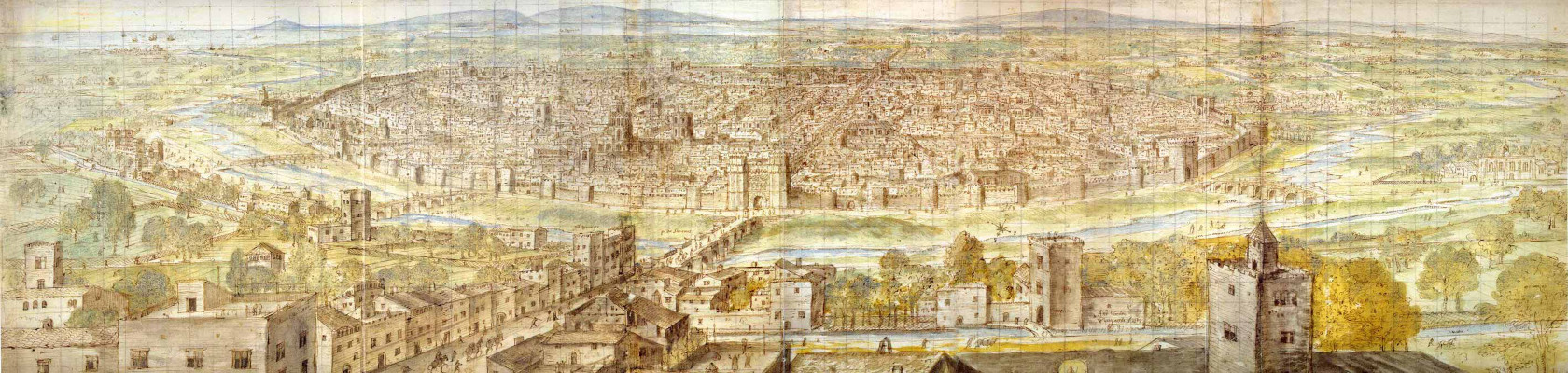
View of Valencia
Anton van der Wyngaerde (1563)
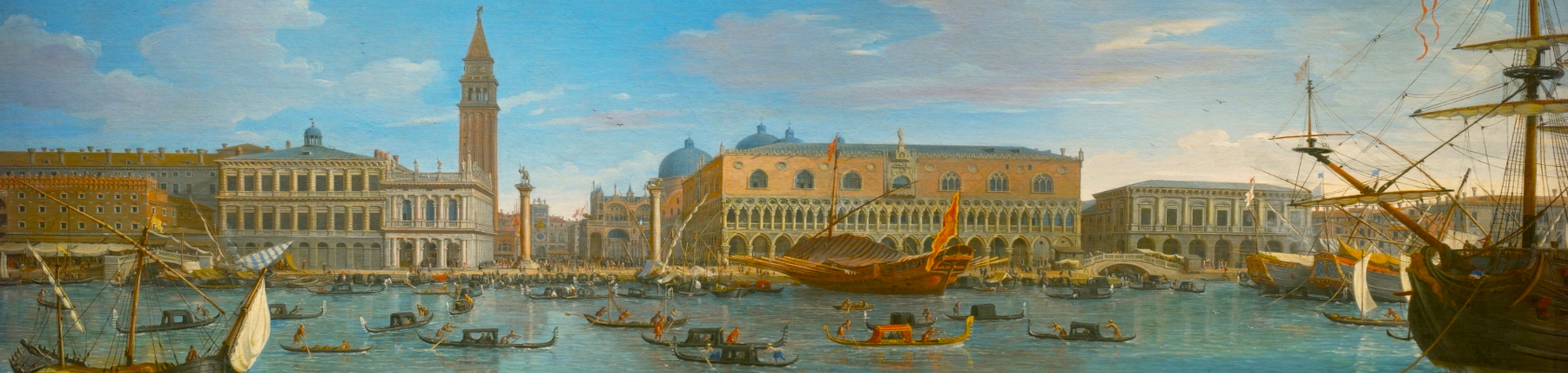
View of Venice from the Island of San Giorgio
Gaspare Vanvitelli (1697)
"We've taken a leap into the future so you can travel to the past. Sign up and access our AI chat.
What new feature does this chat offer?
Natural Language: Ask it anything you want to know as if you were talking to a tutor: Which cities did Francisco Guerrero visit on his trip to Jerusalem? or Is there an article about bells?, for example.
Smart Access: Not only does it respond based on the content available on Historical Soundscapes, but it also provides links to articles where you can verify the accuracy of its response.

Eugenio Salazar de Alarcón, governor of the islands of Tenerife and La Palma, in a …

On 14 November 1588, Francisco Guerrero, accompanied by his pupil Francisco Sánchez, five pilgrims and …

The devotional, liturgical and funerary space of the old altar of Saint John the Baptist …

An inventory from 1591 lists four printed books by Victoria, in addition to a handwritten …
The Confraternity of the Sacred Descent of Our Lord and the Fifth Anguish of Mary Most Holy was founded in 1500 in the convent of El Carmen in Seville. Its …
A brief piece of news from an apostolic brief by Pope Martin V, in 1285, brings us closer to the first penitential brotherhood that we know of in Seville. It …
The inventory of the “goods” of the Granada cathedral, carried out in 1657, provides us with a list of the instruments and minstrels’ books that the cathedral had on that …
In 1611, the musical chapels of the collegiate church of El Salvador and that of the church of San Nicolás in Seville agreed to jointly serve the festivities that they …
This article provides the data that allow us to know when and with whom the oboe was introduced in the musical chapels of the main sacred institutions of Granada.
On 13 December 1520, after news reached Seville of the defeat of the comuneros in the battle of Tordesillas, the house of Medina Sidonia, responsible for quelling the comunero outbreak …
Information about the organ of the church of Santa Ana in Granada.
In 1566, Martín de Montesdoca, a resident of the San Lorenzo parish, printed the Agenda defunctorum, by Juan Vázquez, in Seville.
On 19 April 1501, during one of her stays in Granada, Queen Isabella the Catholic ordered a payment of four doubloons of gold to a group of "newly converted instrumentalist", …
On 21 October 1598, the funeral of King Philip II was held in the royal chapel of Granada. It is likely that Luis de Aranda, chapel master of the neighbouring …