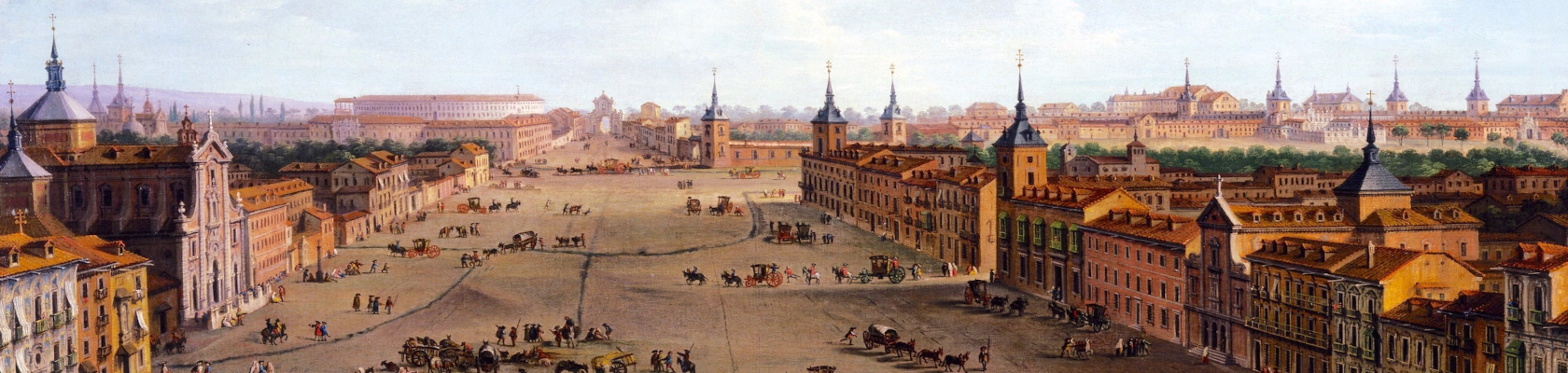
View of Alcalá Street in Madrid
Antonio Joli (c. 1750-1754)
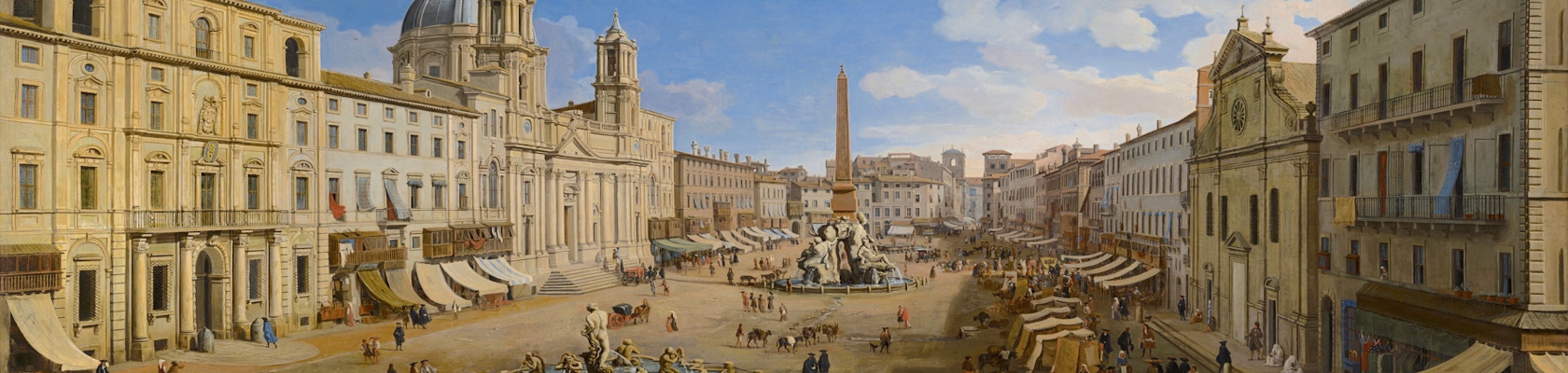
Piazza Navona, Rome
Caspar van WitteI (1699)
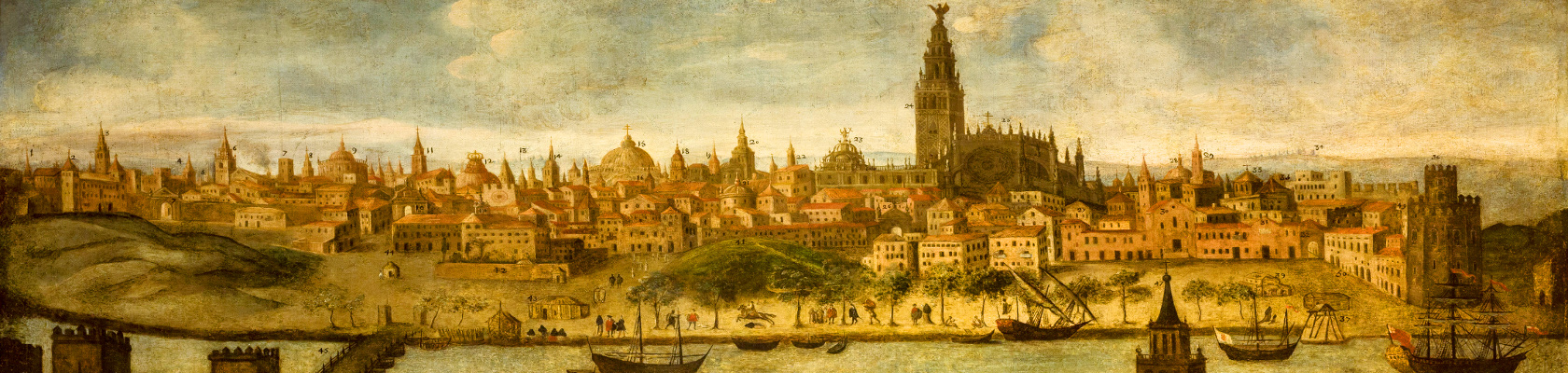
View of Seville from Triana
Anonimous (1726)
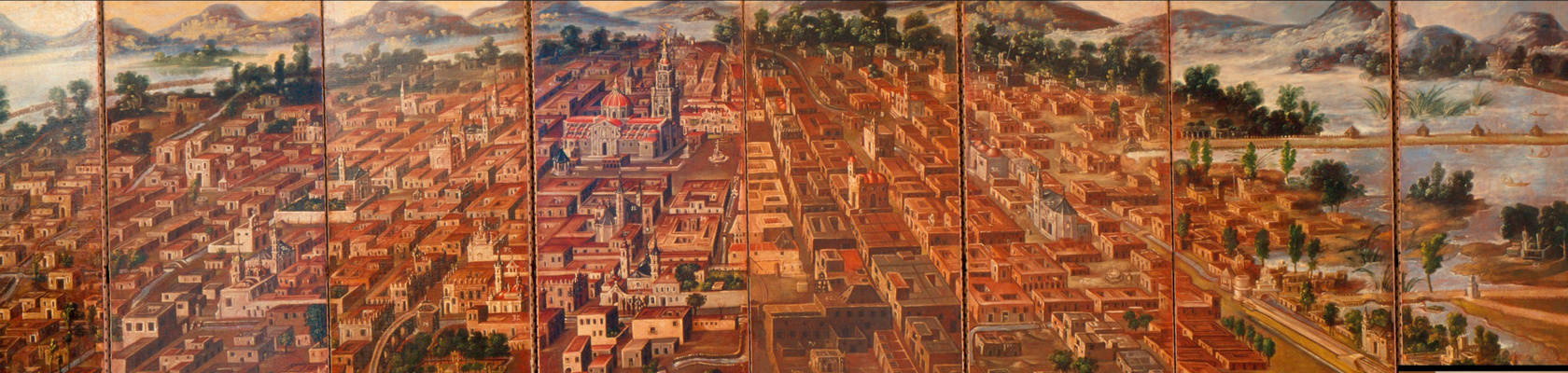
Screen of the most noble and loyal city of Mexico
Anonymous
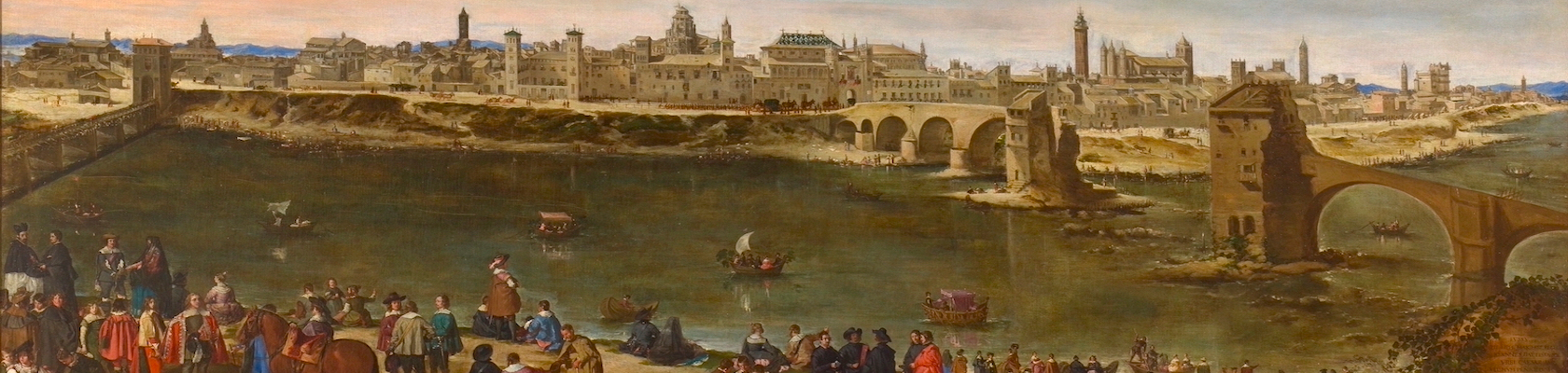
View of Zaragoza
Juan Bautista Martínez del Mazo (1647)
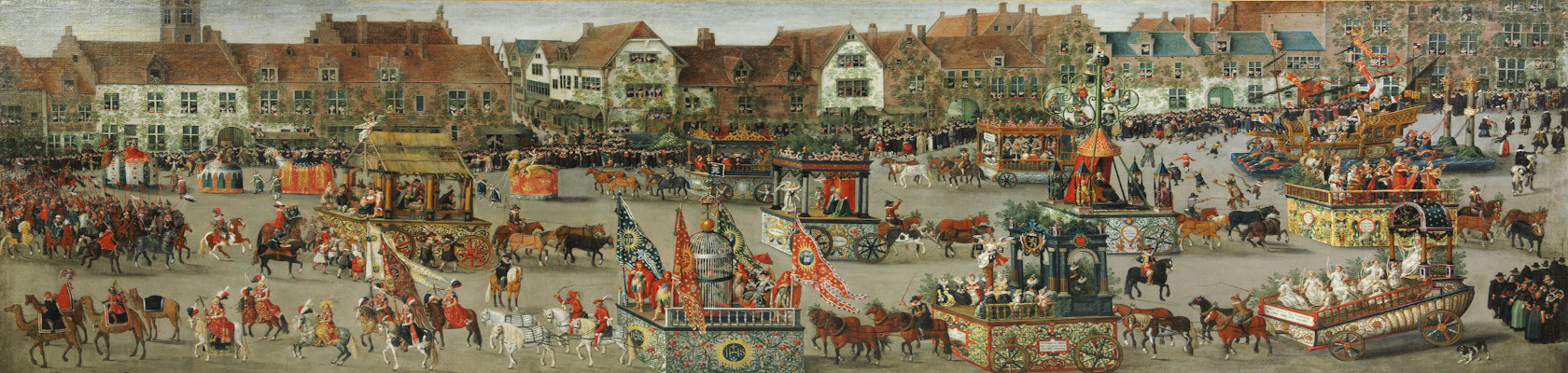
Isabel's triumph (Brussels)
Denis van Alsloot (1616)
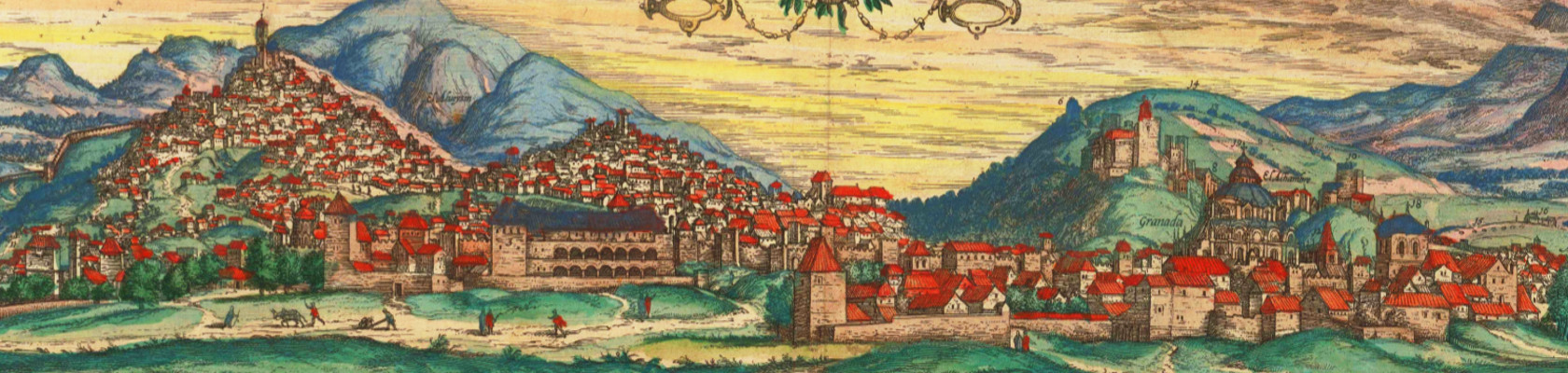
View of Granada
Civitates Orbis Terrarum, vol. 1. Georg Braun & Frans Hogenberg (1572)
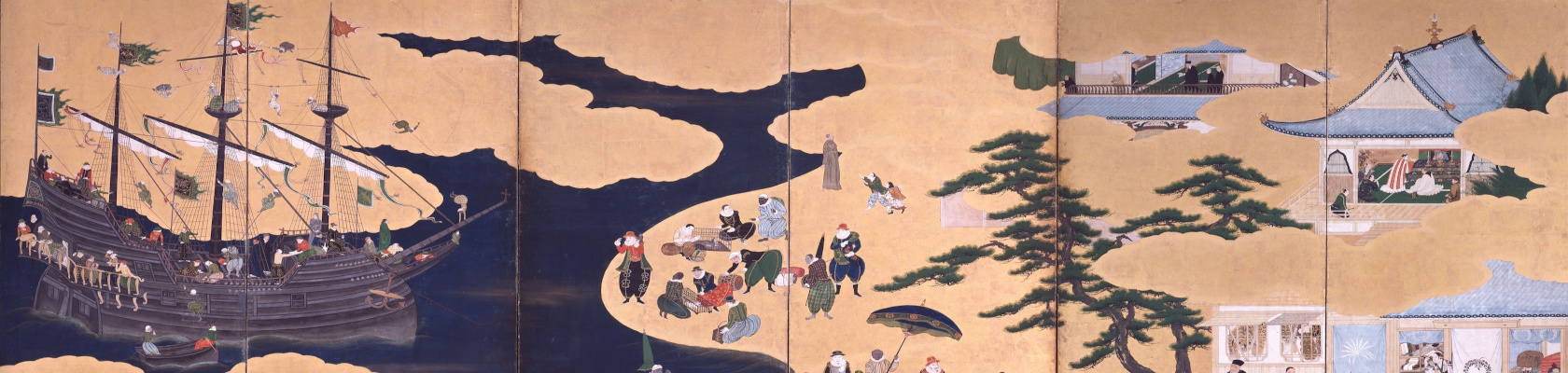
Nanban screen (Japan)
Kano Naizen (c. 1600)
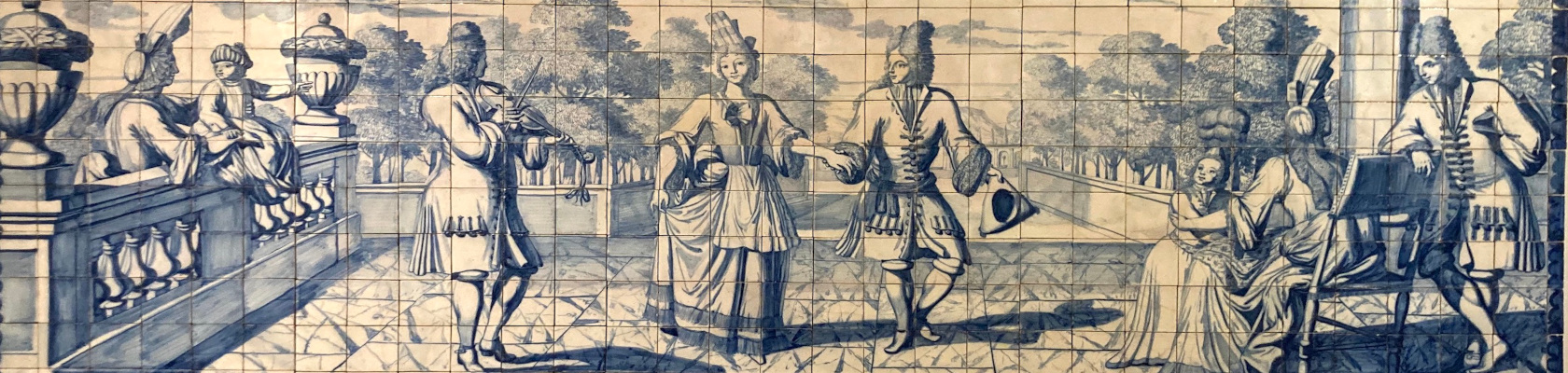
Domestic music scene
Museu Nacional do Azulejo. Lisboa
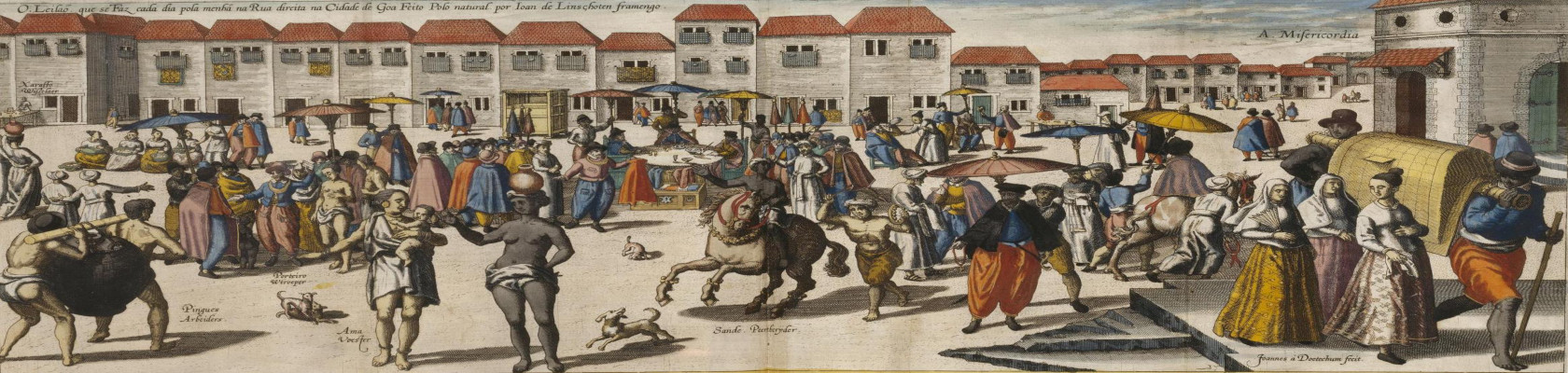
Market. Goa
Itinerario, voyage ofte schipvaert, van Ian Huygen van Linschoten naer de Oost ofte Portugaels Indien (1596)
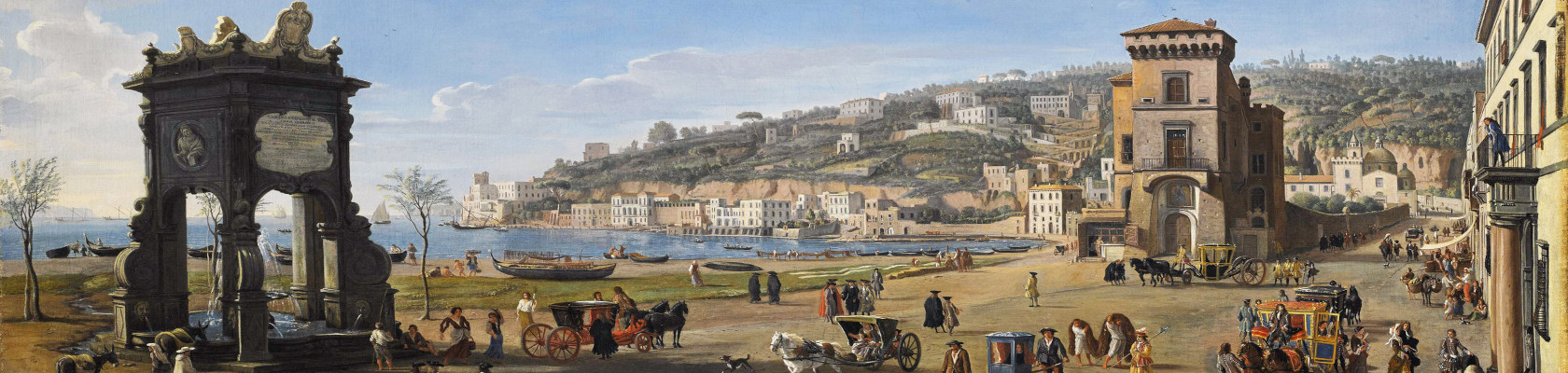
A view of the Riviera di Chiaia. Naples
Gaspar van Wittel (c. 1710)
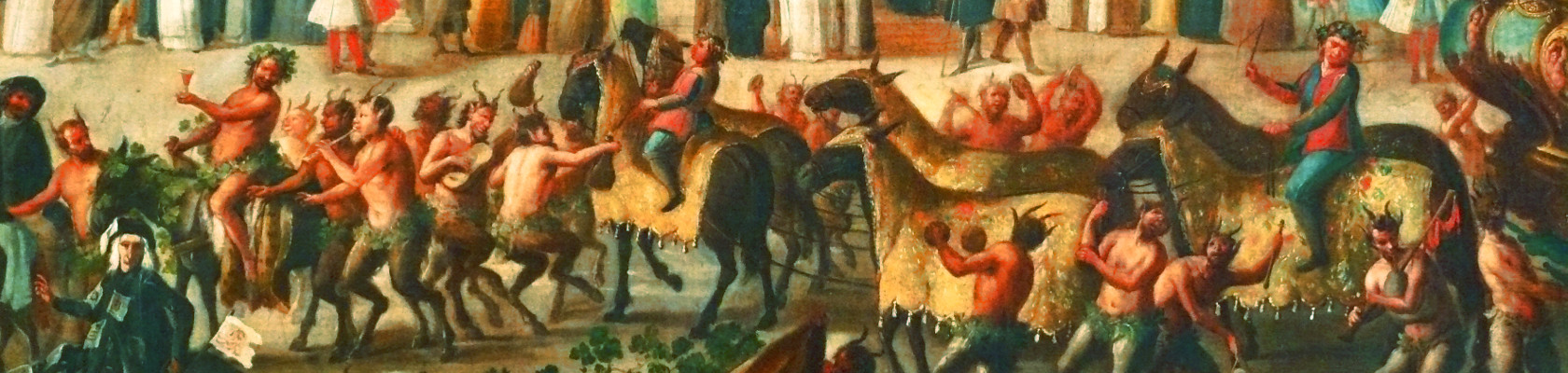
Chariot of the Common Joy (Seville)
Domingo Martínez (1748)
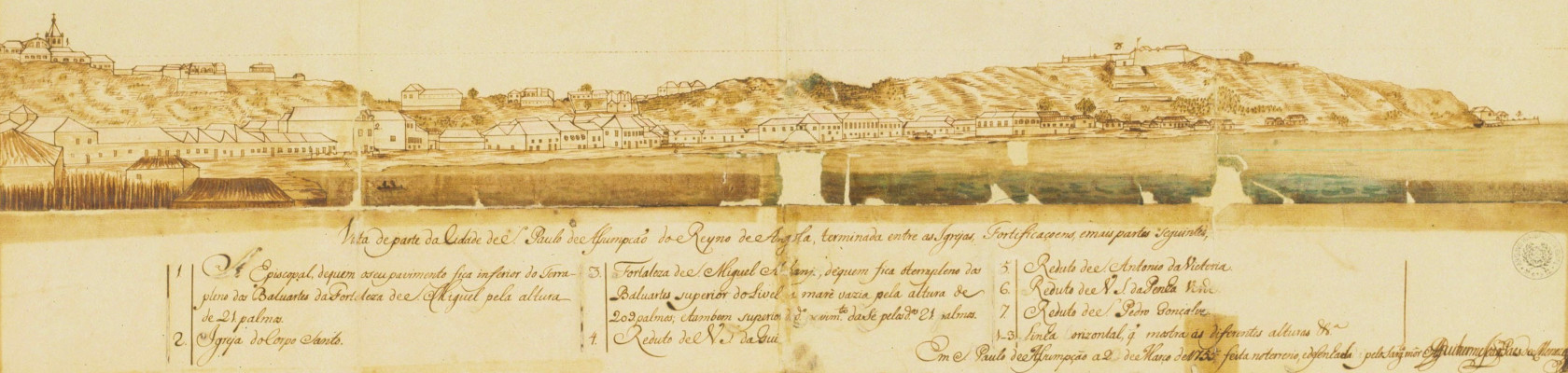
Vista de parte da cidade de S. Paulo do Reyno de Angola
Guilherme Paes de Menezes (1755)
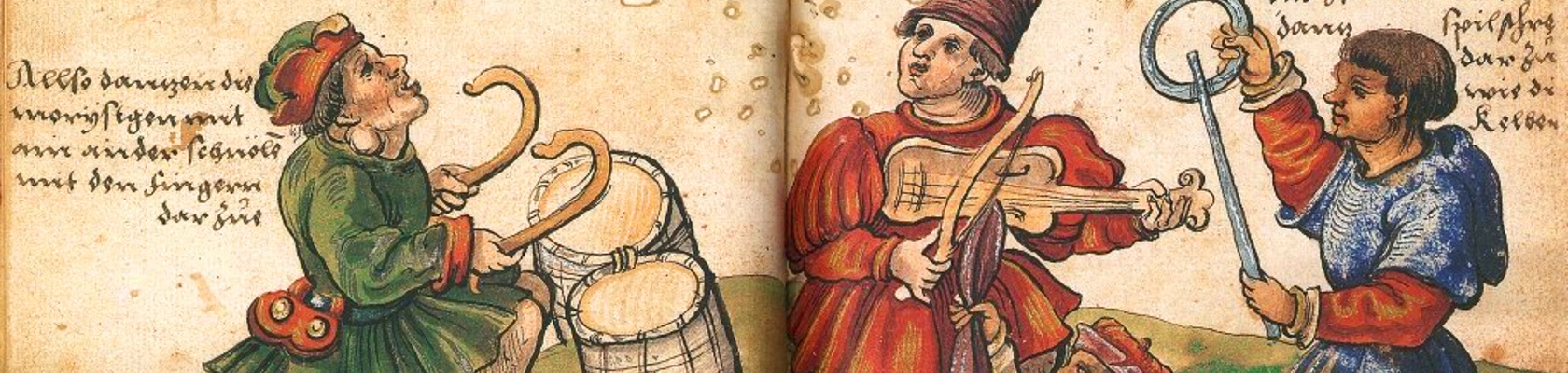
Moorish dance (Granada)
Trachtenbuch. Christoph Weiditz (c. 1530-1340)
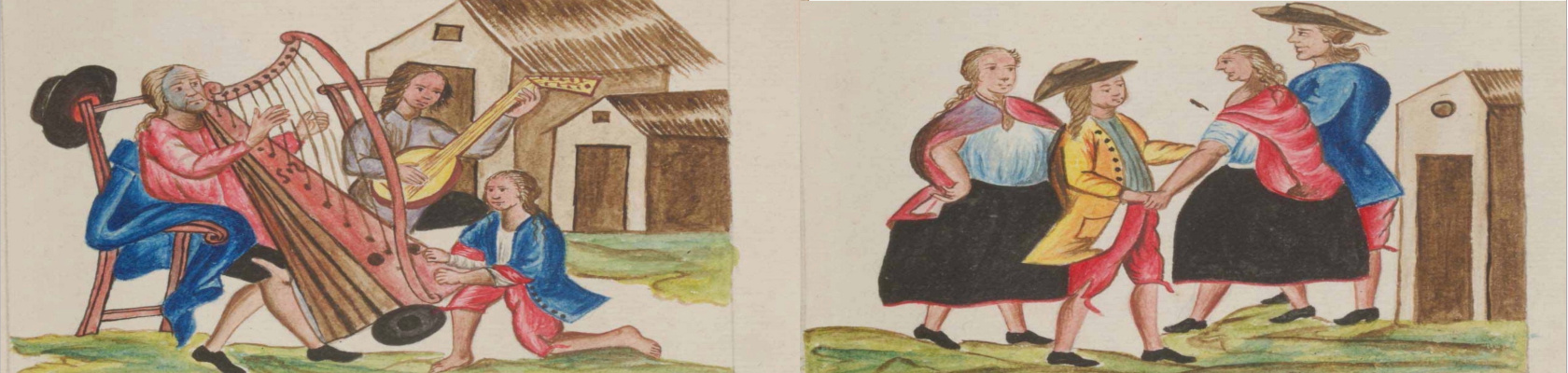
Chusco dance
Códice Trujillo del Peru o Martínez Compañón (c. 1785)
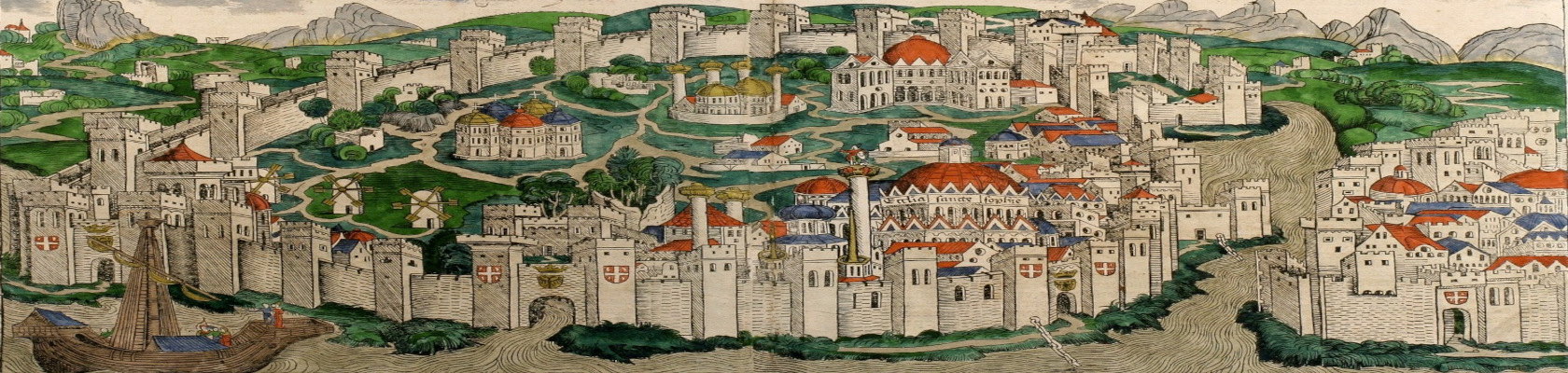
Constantinopolis
Hartmann Schedel (1493)
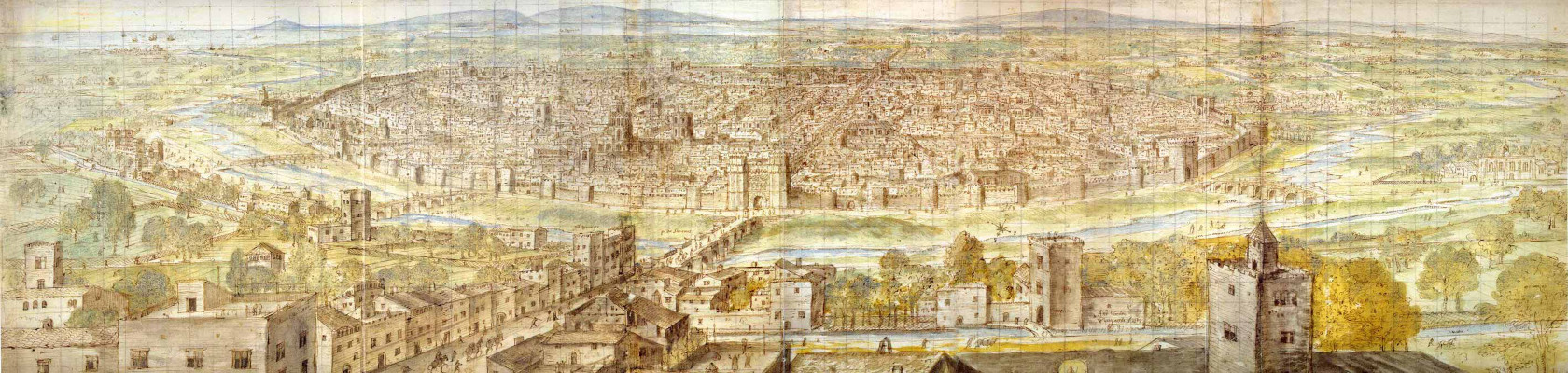
View of Valencia
Anton van der Wyngaerde (1563)
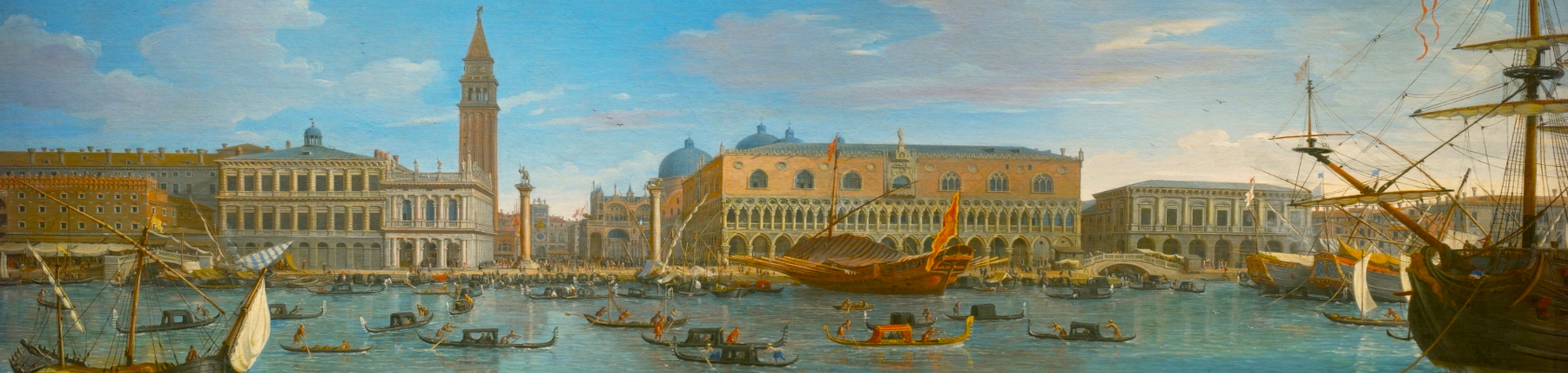
View of Venice from the Island of San Giorgio
Gaspare Vanvitelli (1697)

Donated by Plácido Arango, the Library of the Real Academia de Bellas Artes de San …

The discovery of a booklet of polyphonic music with four masses by Cristóbal de Morales …

In the early summer of 1588, Francisco Guerrero, accompanied by his disciple Francisco Sánchez and …

On 15 February 1612, Francisco del Pozo and Jerónimo de Monardes, brothers of the confraternity …
In 1707, the chapter of Granada Cathedral granted eight arrobas (92 kg.) of lead to the convent of San Antón de Granada to help in the construction of a new …
In 1769, the Seville cathedral chapter ordered the violonists of the music chapel to attend a festivity held at the Capuchin convent on 28 September.
Read articleTwo of the most important festivities in the festive calendar of Nasrid Granada were the Breaking of the Fast after Ramadan [Eid al-Fitr] and the Passover Sacrifice [Eid al-Adha], in …
Theatrical performances in Seville (1637-1638).
José Vidal is a good example of the circulation and promotion of musicians among the different musical chapels of the city of Granada, which, in the 18th century, had a …
The chapel of San José was linked to the carpenters' guild of Seville and its religious activity was under the tutelage of the collegiate church of El Salvador, in whose …
Antonio Jorge y Galbán, archbishop of Granada (1776-1787), a native of Zaragoza, endowed the ornamentation of the Pilar chapel in Granada cathedral. For the chapel's inauguration and dedication ceremony, the …
On 28 July 1751, in the convent of Santa Paula in Seville, a theatrical performance took place to celebrate the veiling of Petronila de Santa Teresa, attended by the archbishop …
On 7 September 1696, a "caponcico" (castrated) boy entered the college of Seises of the cathedral of Granada, with the obligation to remain in this institution for six years. His …
Prince John, the second son of the Catholic Monarchs, Isabella I and Ferdinand II, was born in the Alcázar of Seville on 30 June 1478. His baptism took place in …