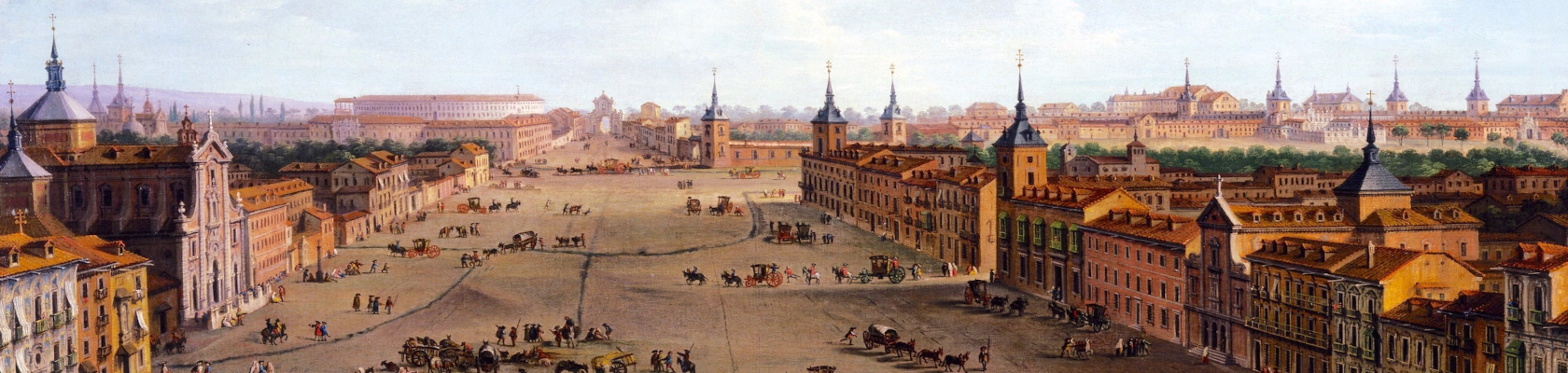
View of Alcalá Street in Madrid
Antonio Joli (c. 1750-1754)
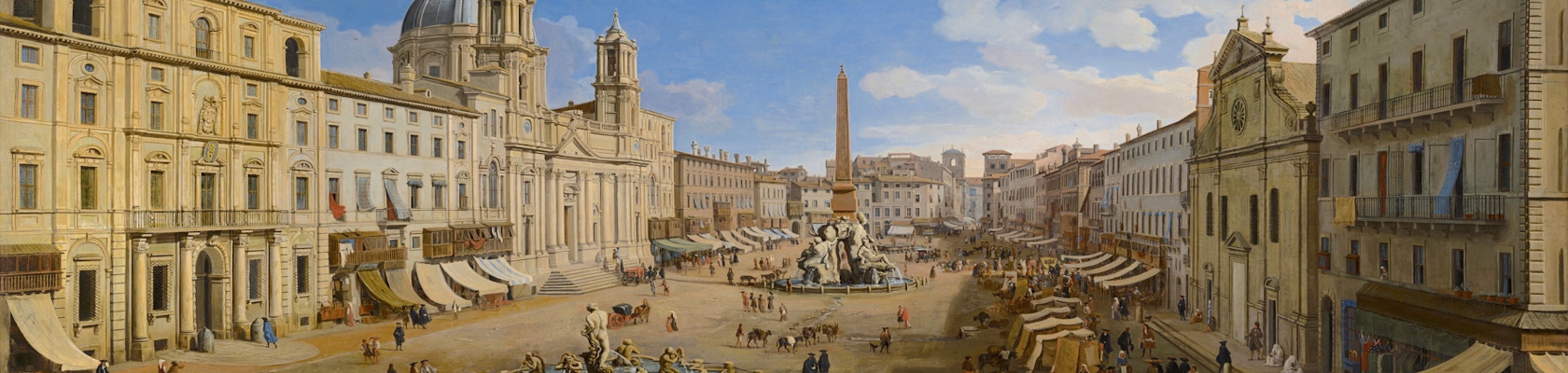
Piazza Navona, Rome
Caspar van WitteI (1699)
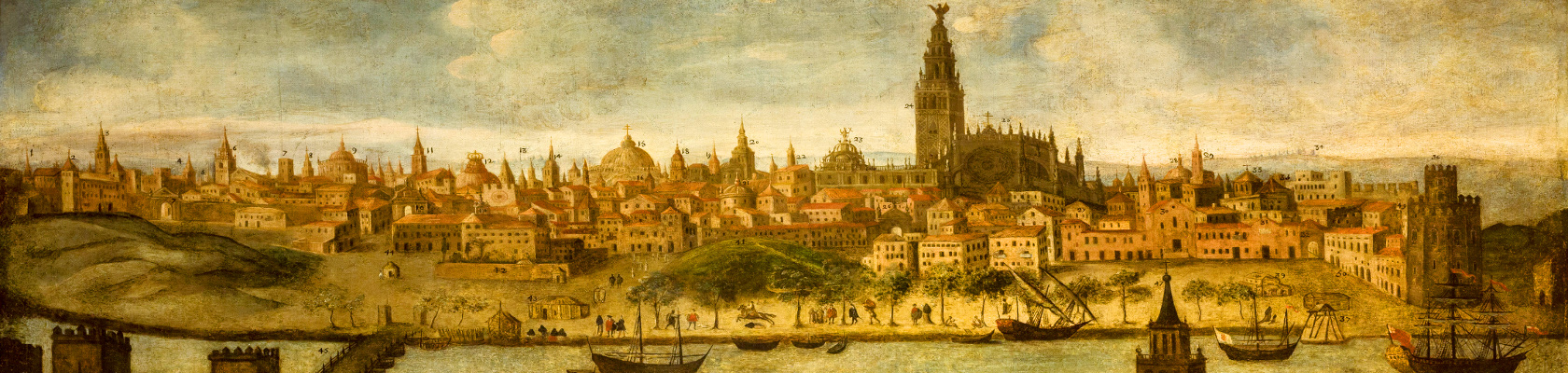
View of Seville from Triana
Anonimous (1726)
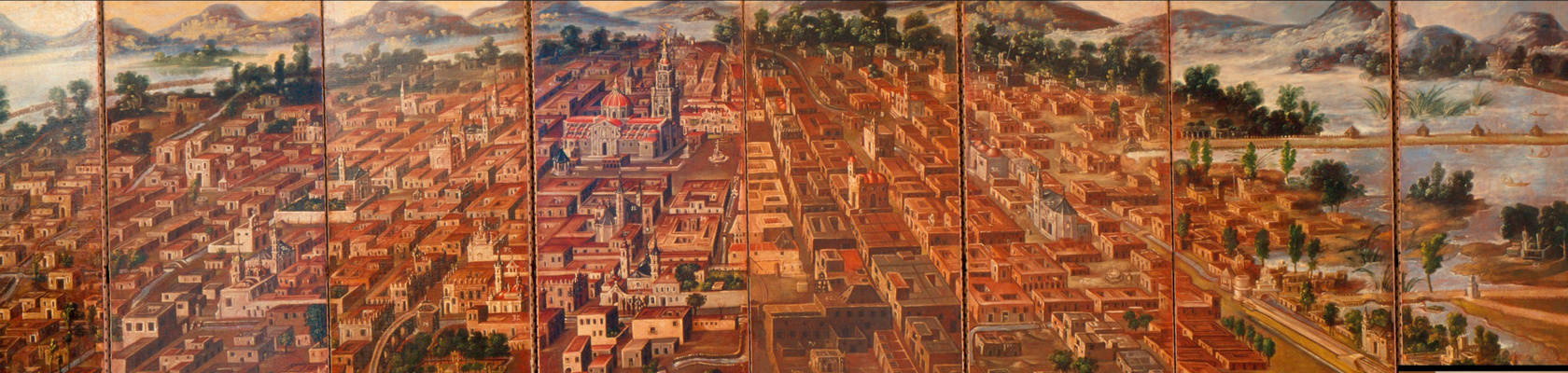
Screen of the most noble and loyal city of Mexico
Anonymous
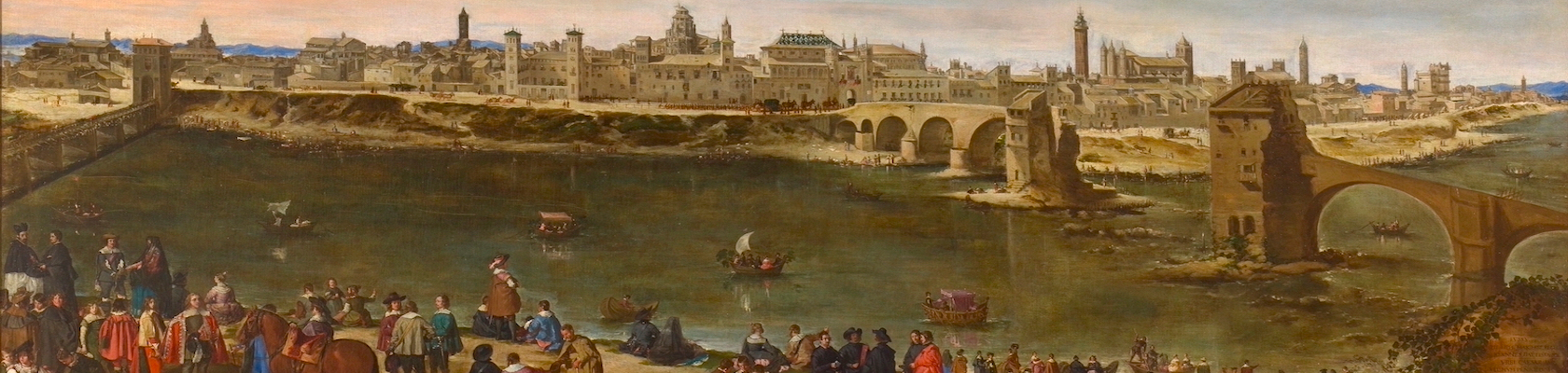
View of Zaragoza
Juan Bautista Martínez del Mazo (1647)
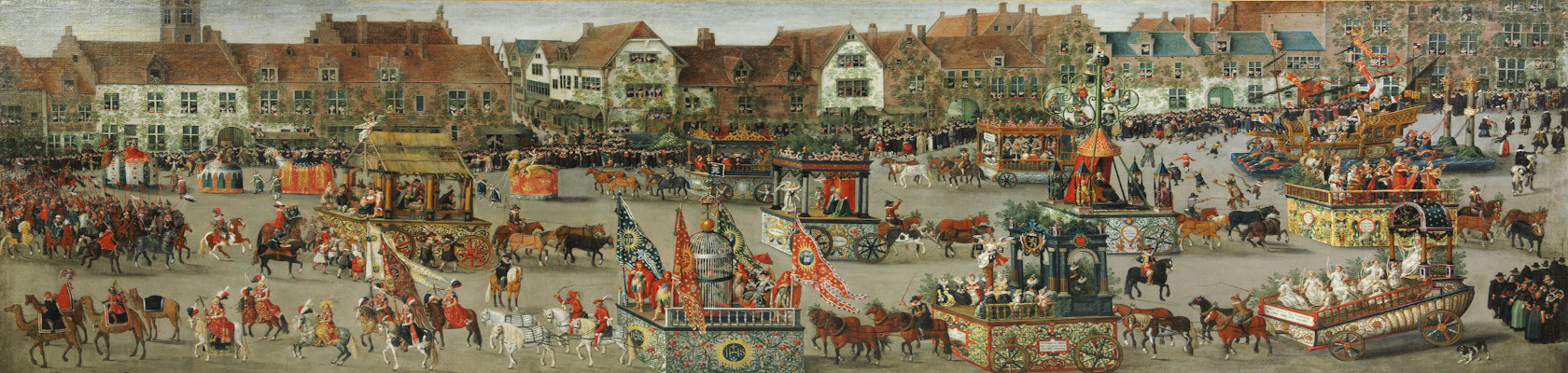
Isabel's triumph (Brussels)
Denis van Alsloot (1616)
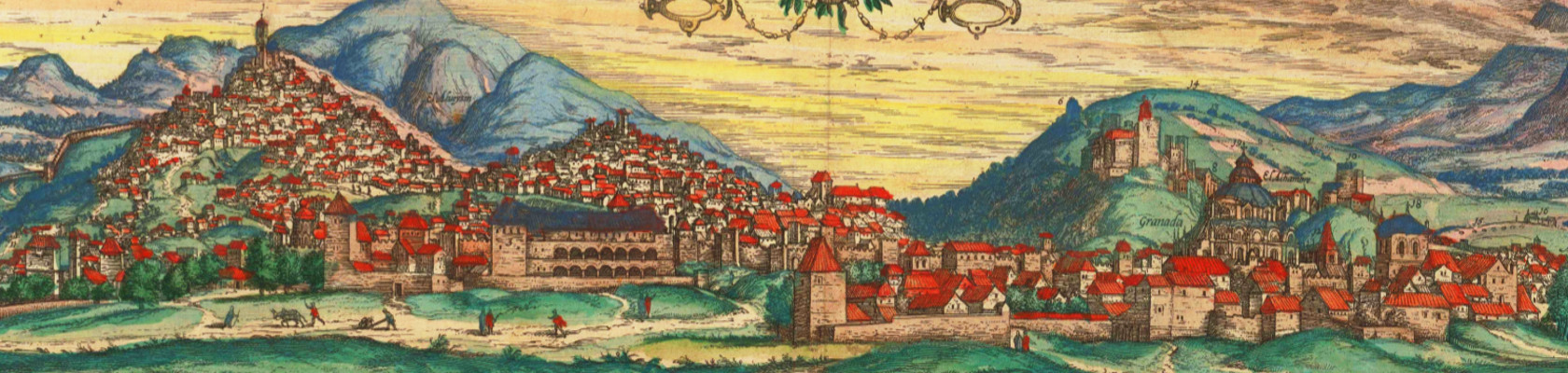
View of Granada
Civitates Orbis Terrarum, vol. 1. Georg Braun & Frans Hogenberg (1572)
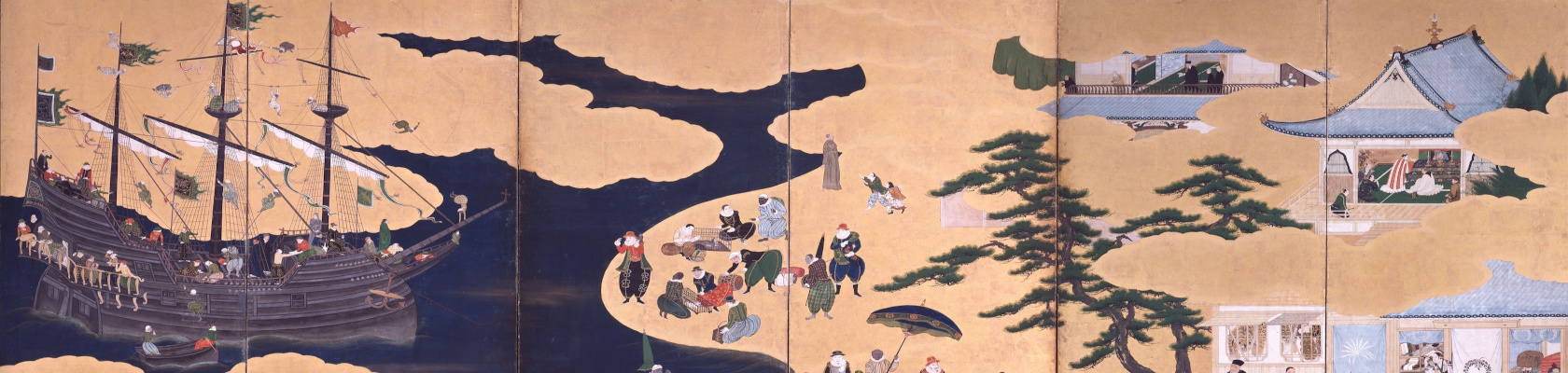
Nanban screen (Japan)
Kano Naizen (c. 1600)
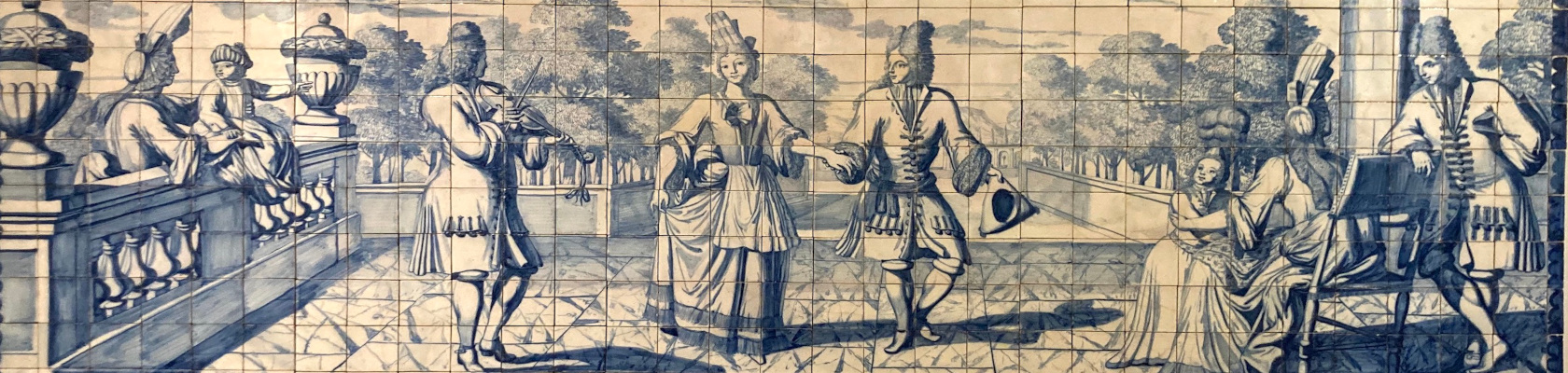
Domestic music scene
Museu Nacional do Azulejo. Lisboa
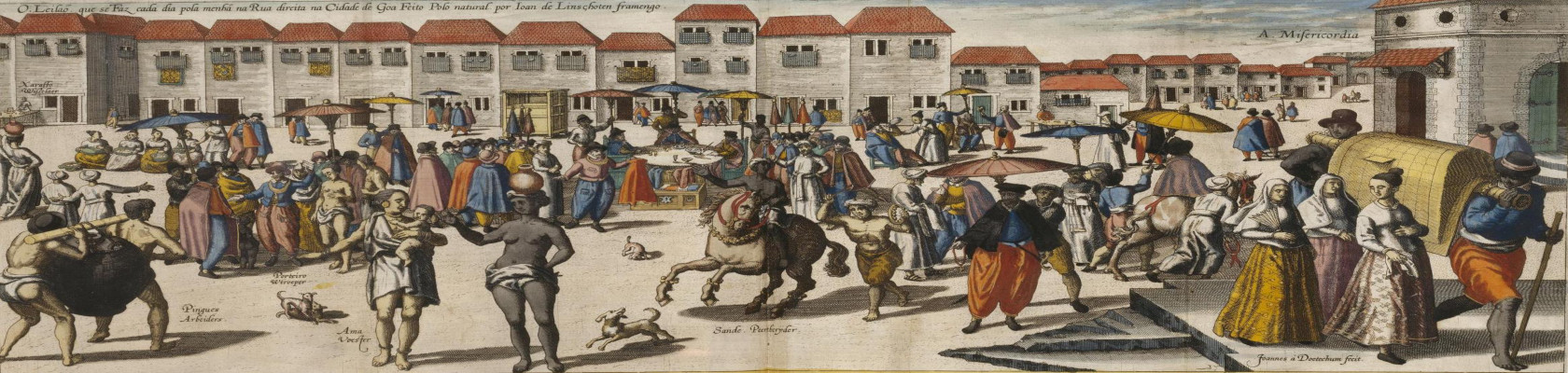
Market. Goa
Itinerario, voyage ofte schipvaert, van Ian Huygen van Linschoten naer de Oost ofte Portugaels Indien (1596)
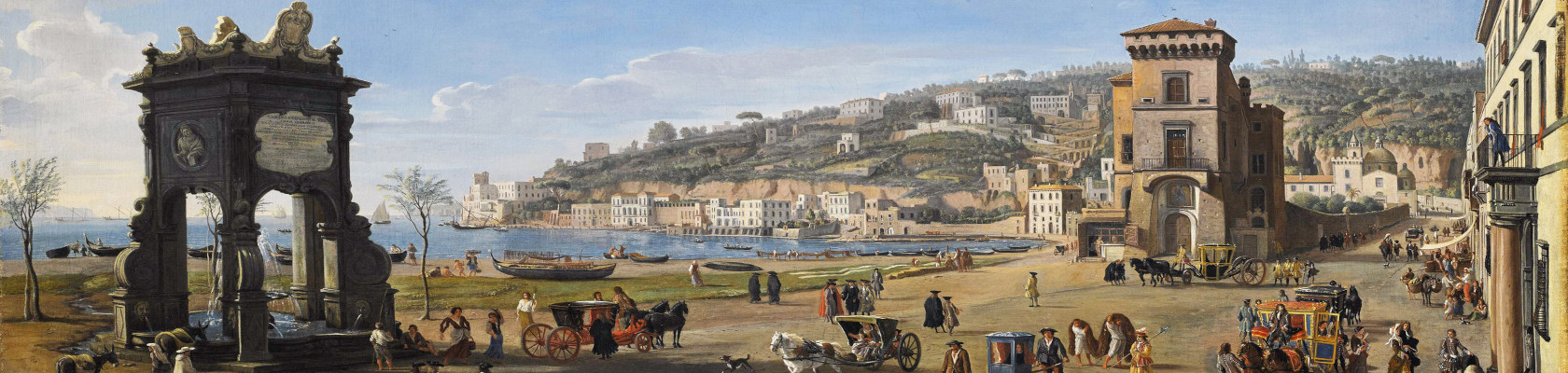
A view of the Riviera di Chiaia. Naples
Gaspar van Wittel (c. 1710)
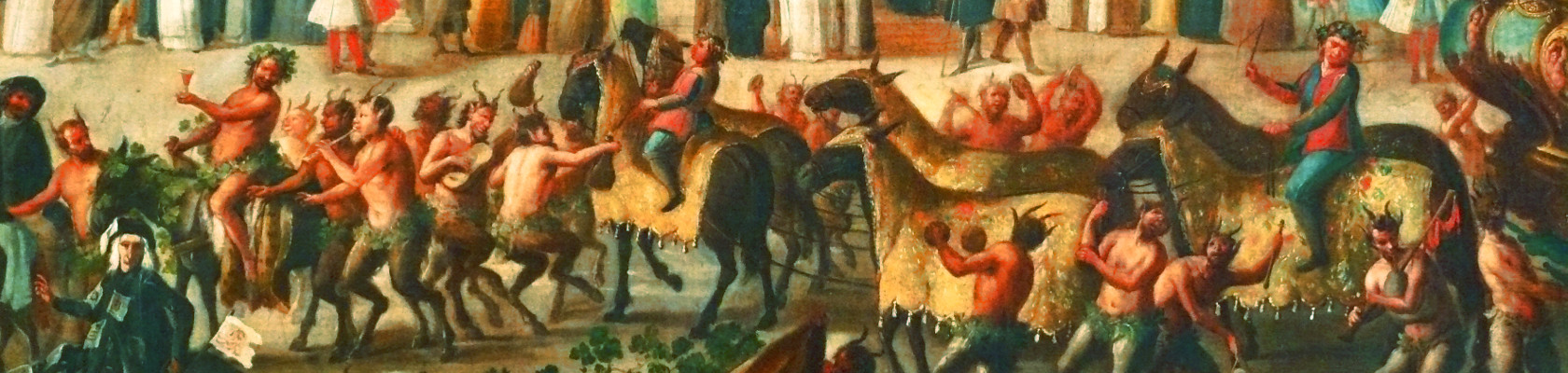
Chariot of the Common Joy (Seville)
Domingo Martínez (1748)
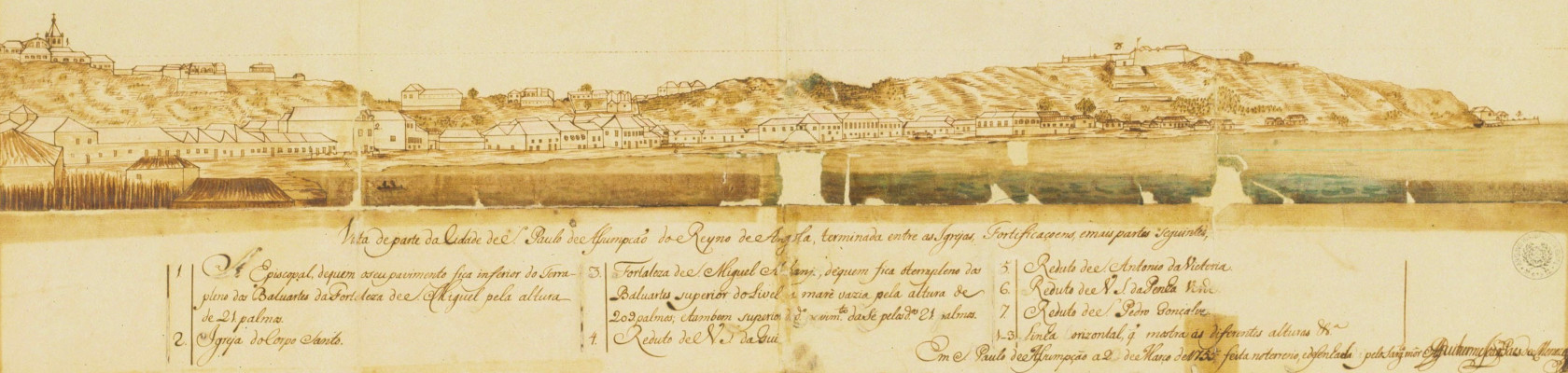
Vista de parte da cidade de S. Paulo do Reyno de Angola
Guilherme Paes de Menezes (1755)
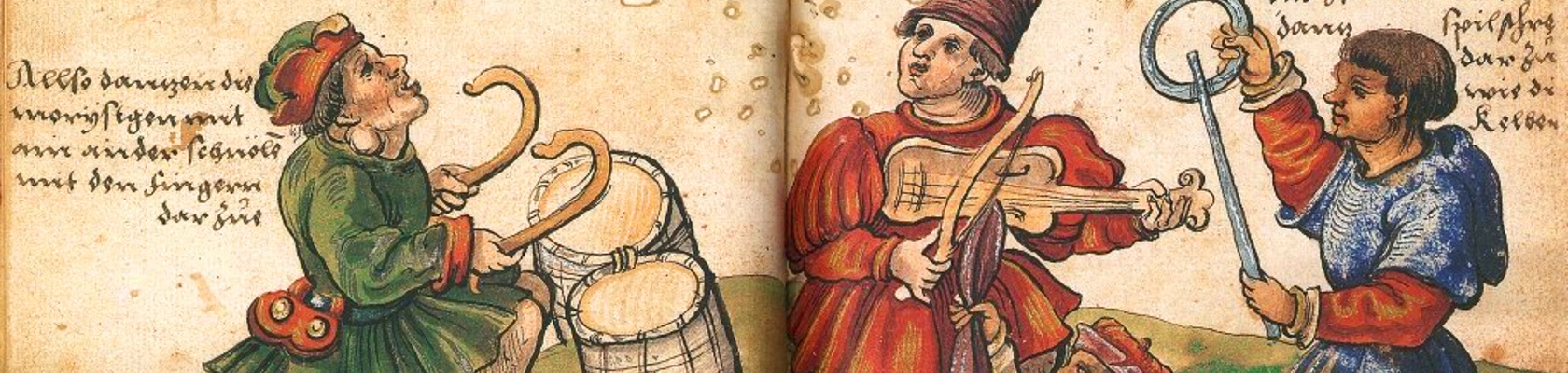
Moorish dance (Granada)
Trachtenbuch. Christoph Weiditz (c. 1530-1340)
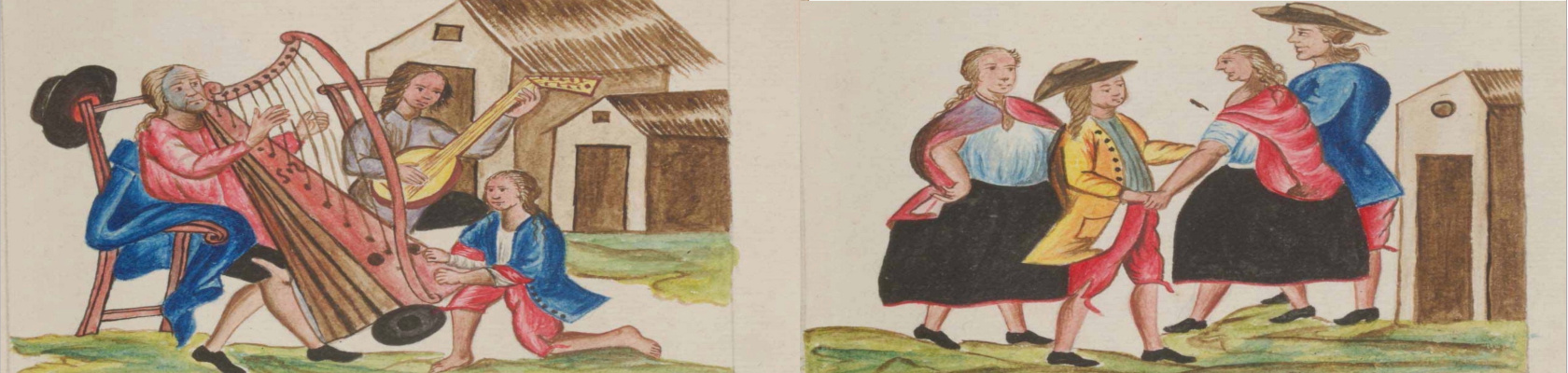
Chusco dance
Códice Trujillo del Peru o Martínez Compañón (c. 1785)
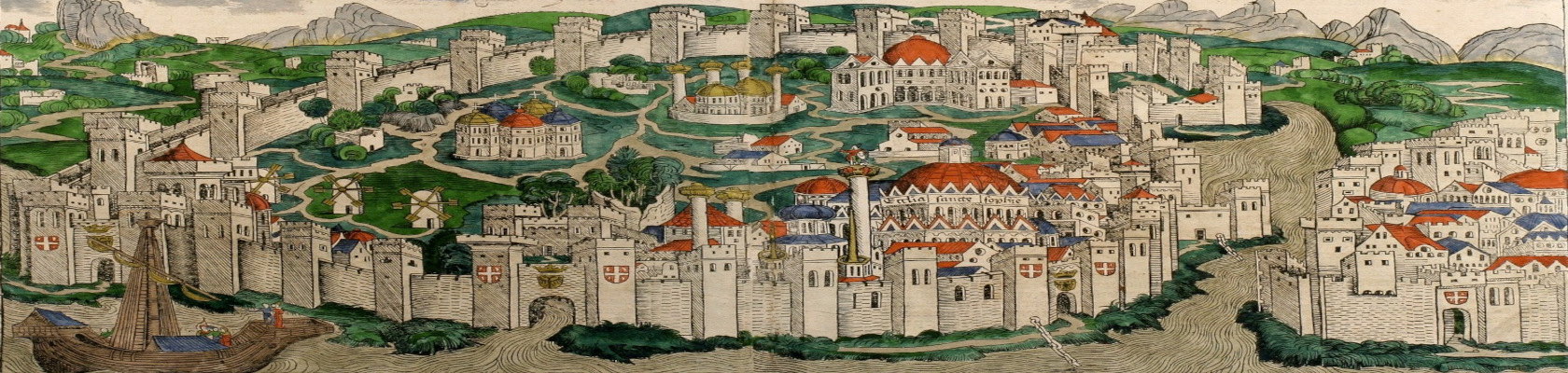
Constantinopolis
Hartmann Schedel (1493)
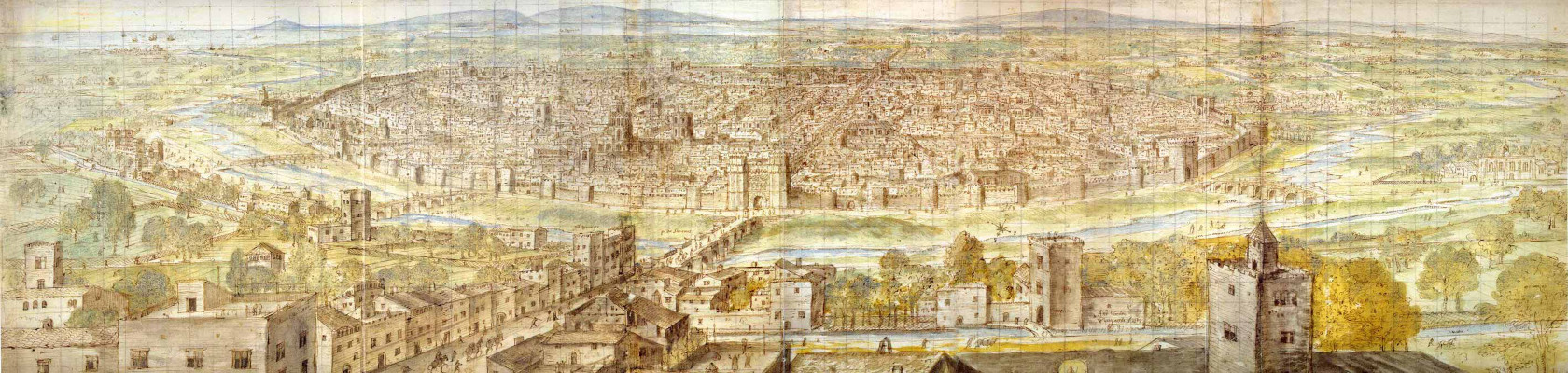
View of Valencia
Anton van der Wyngaerde (1563)
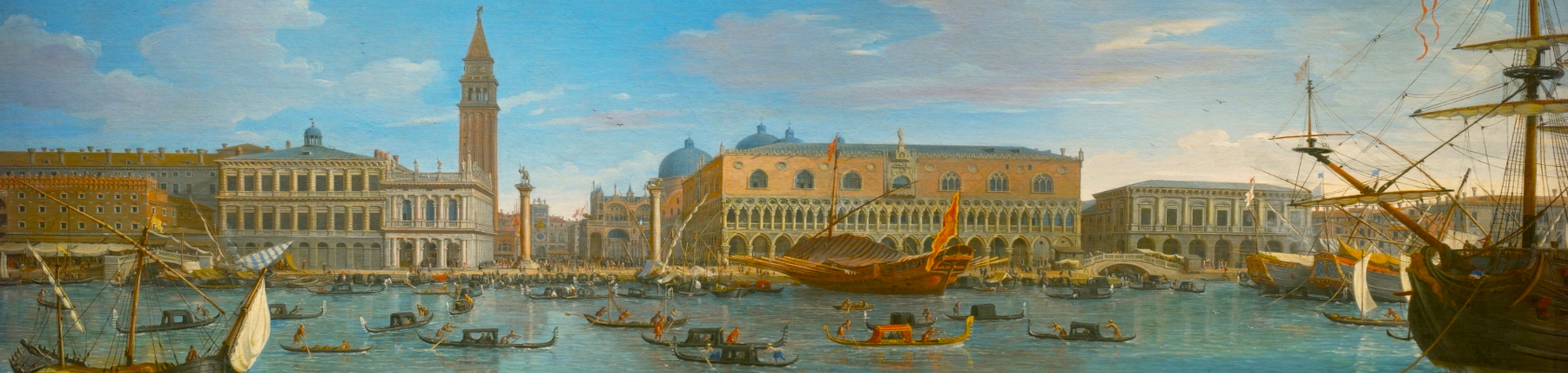
View of Venice from the Island of San Giorgio
Gaspare Vanvitelli (1697)
"We've taken a leap into the future so you can travel to the past. Sign up and access our AI chat.
What new feature does this chat offer?
Natural Language: Ask it anything you want to know as if you were talking to a tutor: Which cities did Francisco Guerrero visit on his trip to Jerusalem? or Is there an article about bells?, for example.
Smart Access: Not only does it respond based on the content available on Historical Soundscapes, but it also provides links to articles where you can verify the accuracy of its response.

The first mention of the feast of the Translation of Saint James the Apostle (30 …

In 1672, Juan González Ortega, a priest and beneficiado of the church of Campillos (Málaga), …

Eugenio Salazar de Alarcón, governor of the islands of Tenerife and La Palma, in a …

On 14 November 1588, Francisco Guerrero, accompanied by his pupil Francisco Sánchez, five pilgrims and …
The pious endowment of Bartolomé Sánchez Paniagua in the church of Omnium Sanctorum in Seville, in 1481, allows us to know about the existence of an organ and an organist …
In July 1658, the town council of the city of Granada was responsible for the celebration of the urban festivities for the birth of Prince Felipe Próspero, which took place …
El Cathálogo de todos los criados mayores y menores que han servido a los excelentísimos duques de Medina, preserved in the Biblioteca del Palacio Real de Madrid, allows us to …
On 10 January 1600, the silk weaver Diego Ruiz signed an apprenticeship contract with Bartolomé de Salazar, a minstrel, to learn to play the shawm, which provides us with some …
In 1485, the beneficiaries of the church of San Bartolomé in Seville awarded the chapel of San Felipe and San Jacobo to the judeoconverso Andrés de Toledo, money changer, and …
The Franciscan nunnery of Santa Inés had a small music chapel at least since the seventeenth century, which was under the direction of a “chapel master”.
The pious endowment made by Isabel Sánchez in her will of a feast of the Conception and another of the Incarnation allows us to document the presence of the organ …
The contract established in 1574 between Juan Ortiz, "master of dance", and the instrumentalist Blas de Torres allows us to document the first "school" of dance in Granada.
Read articleThe Atarazanas (Shipyards) of Seville were the city's most important "artisan" complex and its main source of noise pollution from the 13th century to the beginning of the 17th century. …
The first record of a group of trumpeters and atabales in the service of the municipal council of Granada dates from 1555. In the following years, the number of trumpeters …