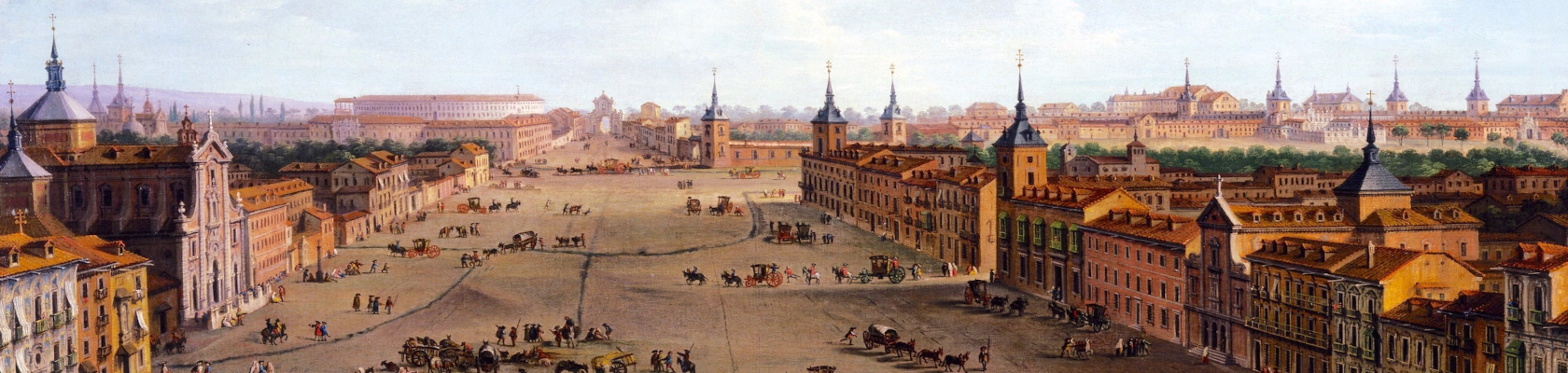
View of Alcalá Street in Madrid
Antonio Joli (c. 1750-1754)
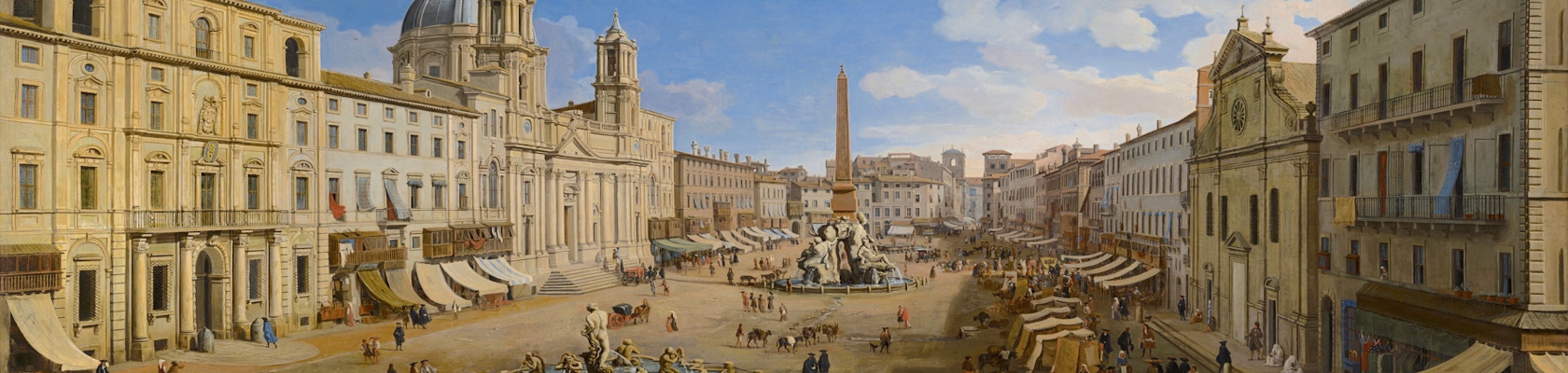
Piazza Navona, Rome
Caspar van WitteI (1699)
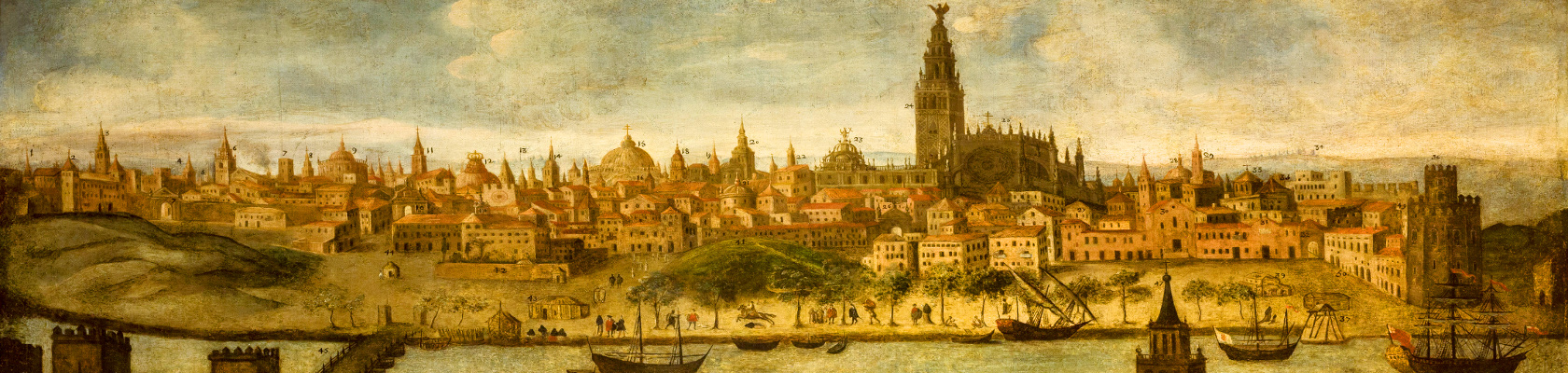
View of Seville from Triana
Anonimous (1726)
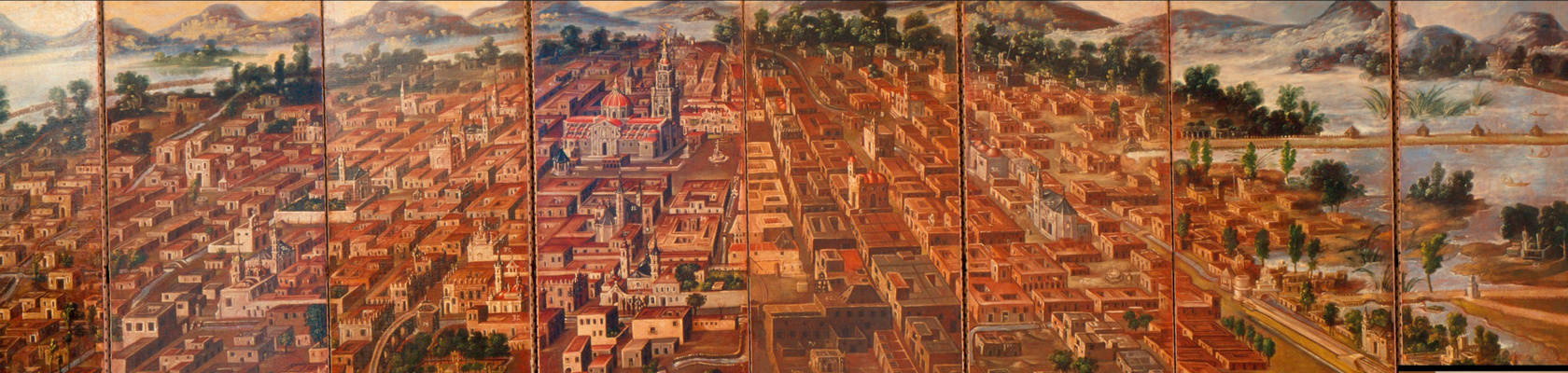
Screen of the most noble and loyal city of Mexico
Anonymous
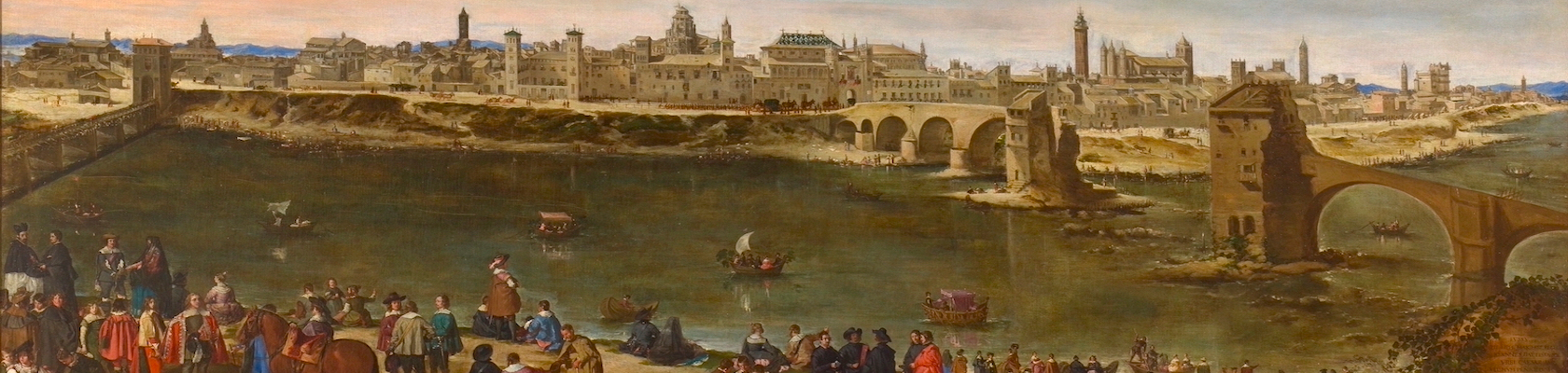
View of Zaragoza
Juan Bautista Martínez del Mazo (1647)
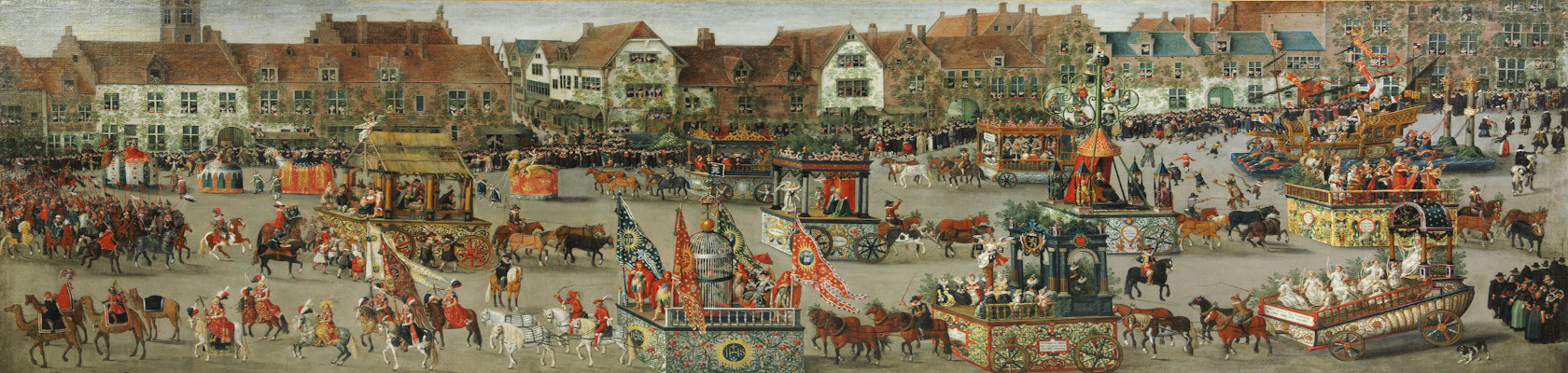
Isabel's triumph (Brussels)
Denis van Alsloot (1616)
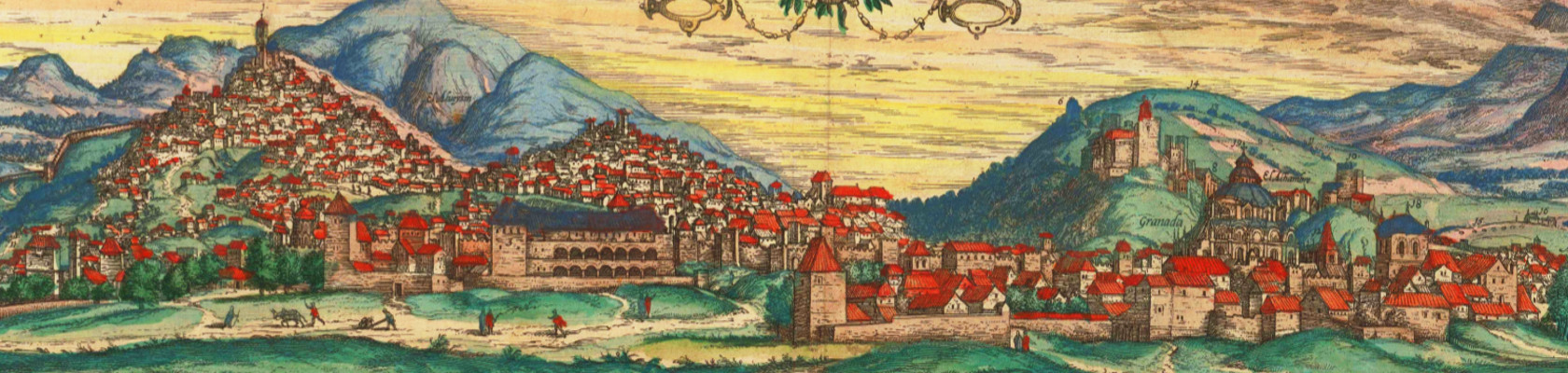
View of Granada
Civitates Orbis Terrarum, vol. 1. Georg Braun & Frans Hogenberg (1572)
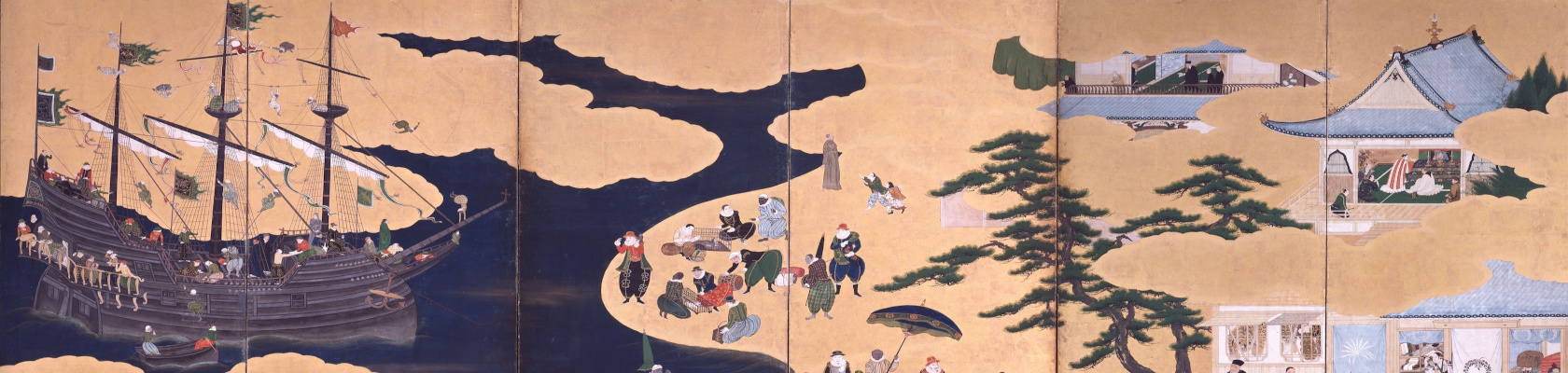
Nanban screen (Japan)
Kano Naizen (c. 1600)
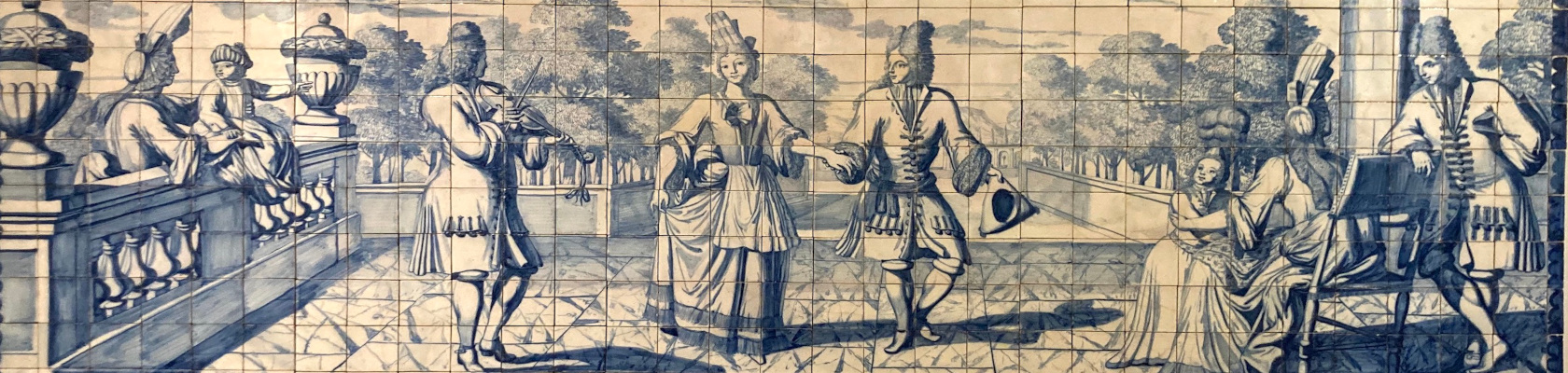
Domestic music scene
Museu Nacional do Azulejo. Lisboa
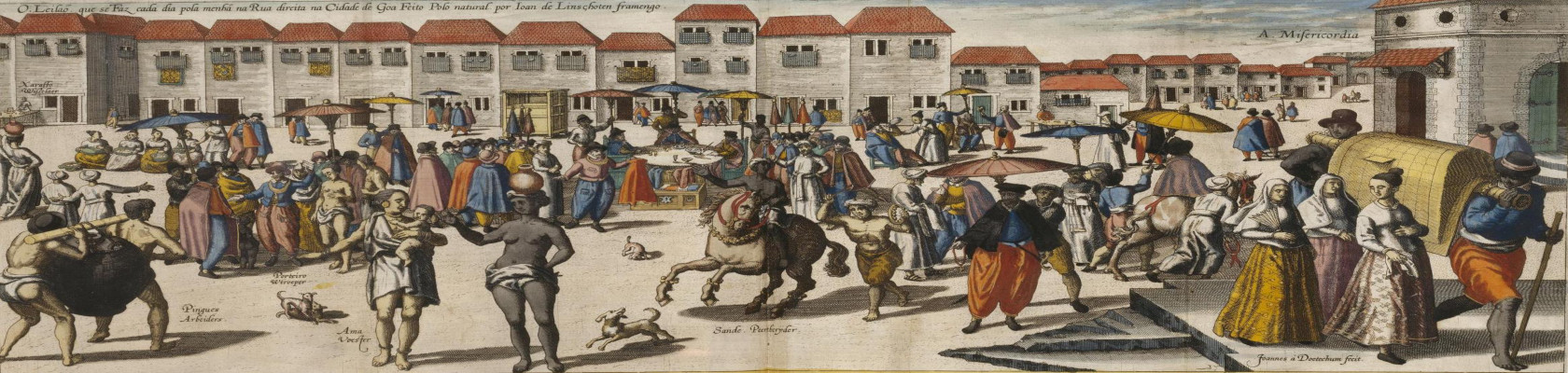
Market. Goa
Itinerario, voyage ofte schipvaert, van Ian Huygen van Linschoten naer de Oost ofte Portugaels Indien (1596)
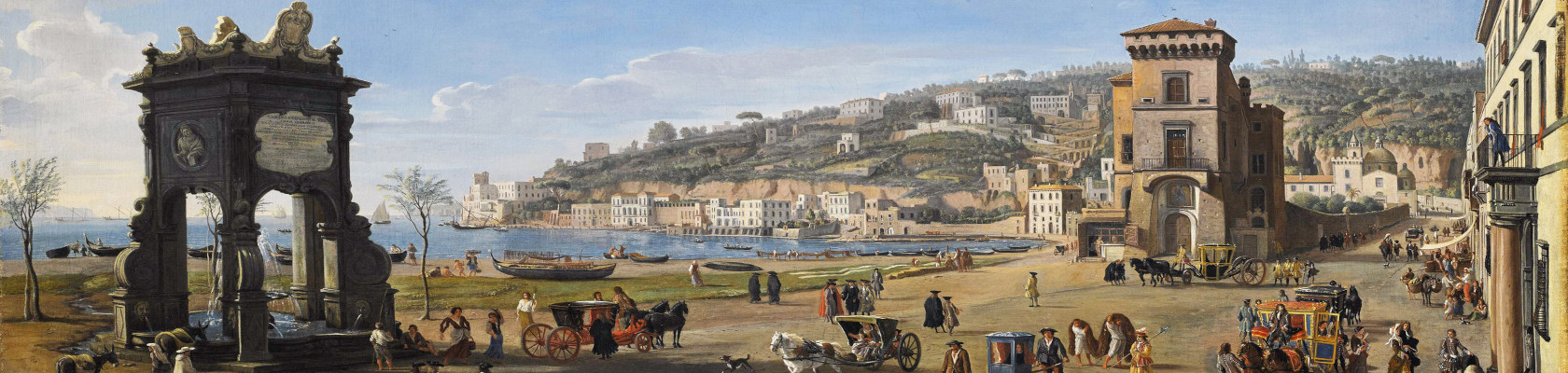
A view of the Riviera di Chiaia. Naples
Gaspar van Wittel (c. 1710)
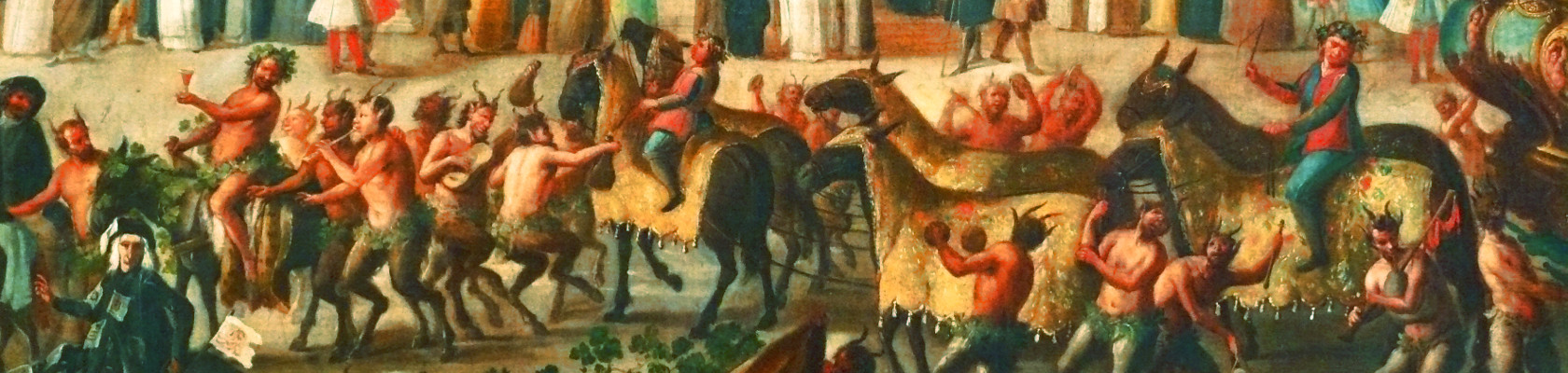
Chariot of the Common Joy (Seville)
Domingo Martínez (1748)
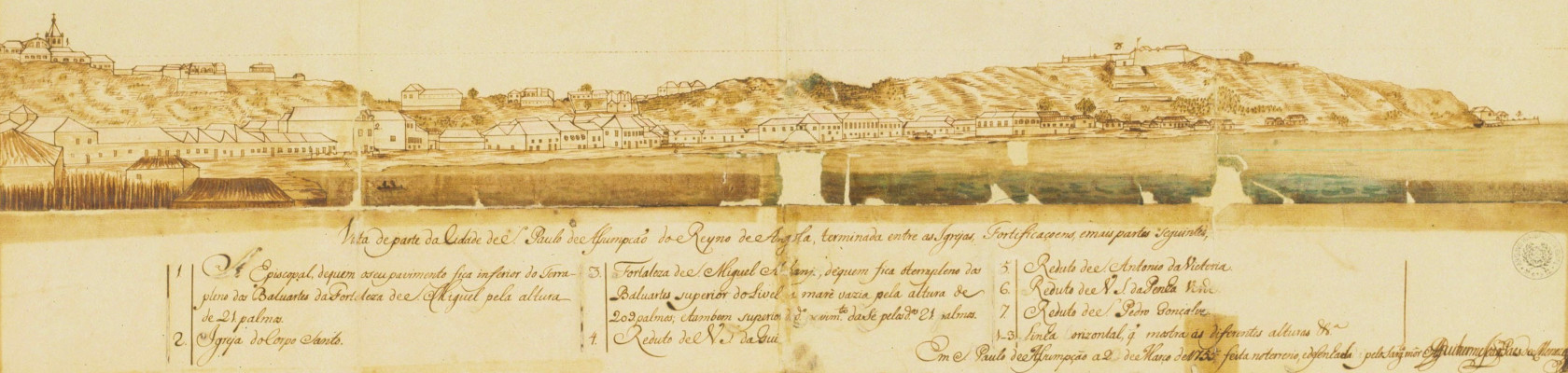
Vista de parte da cidade de S. Paulo do Reyno de Angola
Guilherme Paes de Menezes (1755)
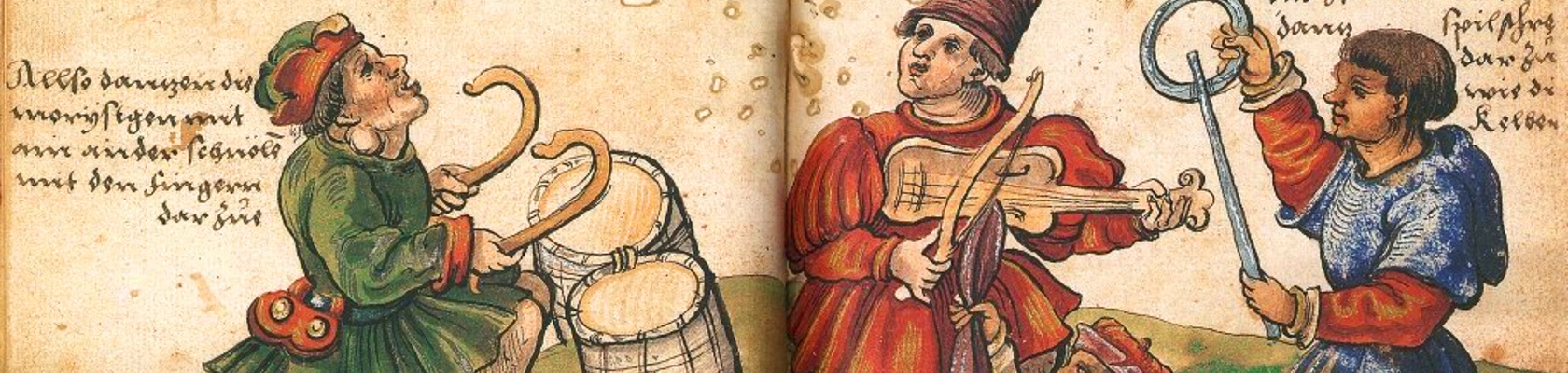
Moorish dance (Granada)
Trachtenbuch. Christoph Weiditz (c. 1530-1340)
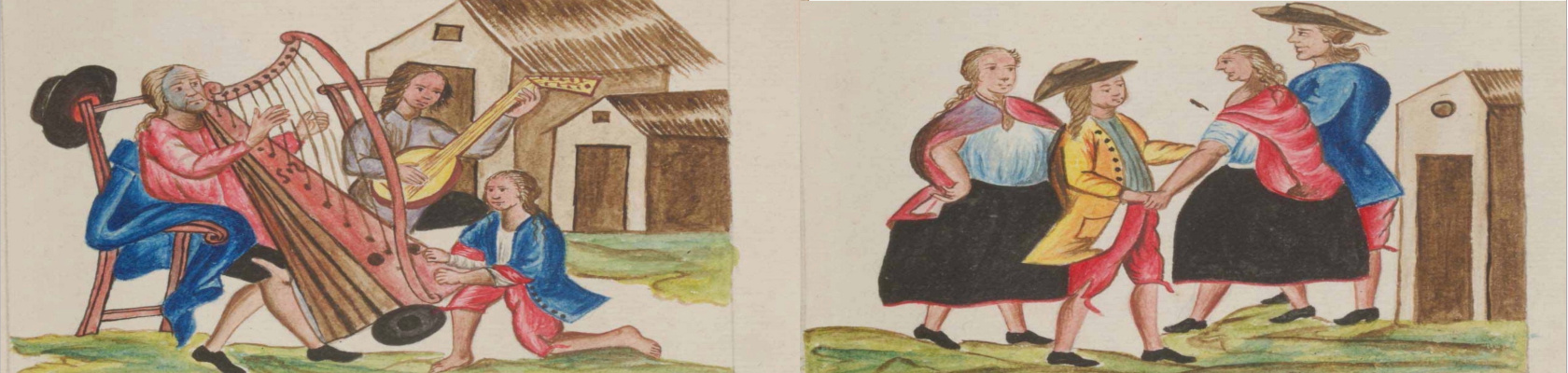
Chusco dance
Códice Trujillo del Peru o Martínez Compañón (c. 1785)
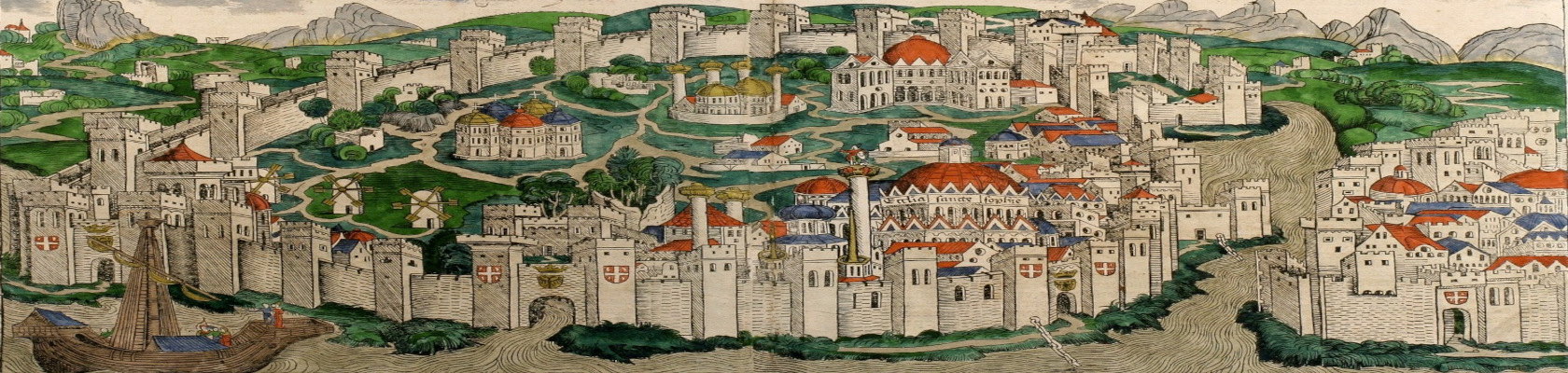
Constantinopolis
Hartmann Schedel (1493)
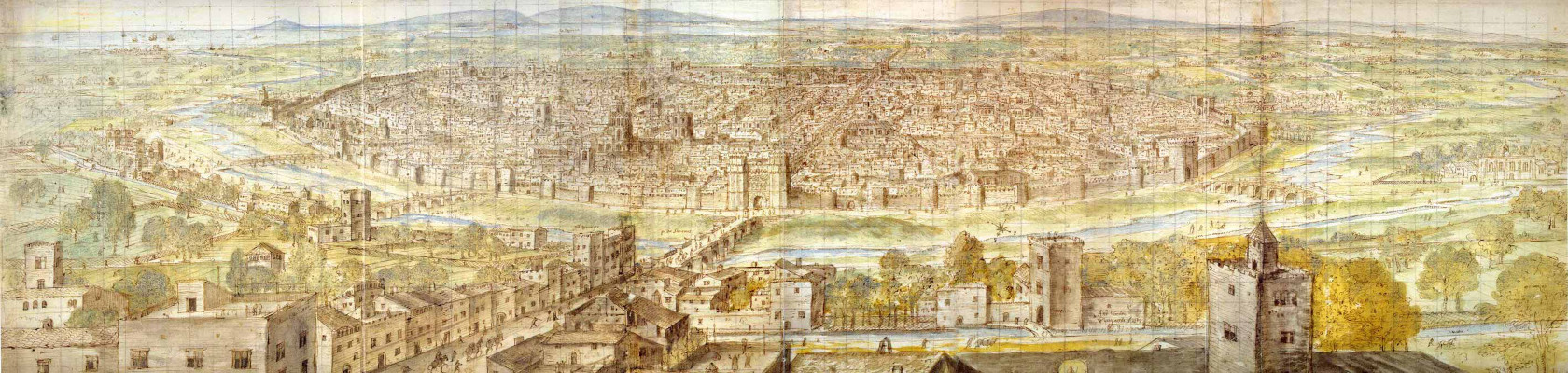
View of Valencia
Anton van der Wyngaerde (1563)
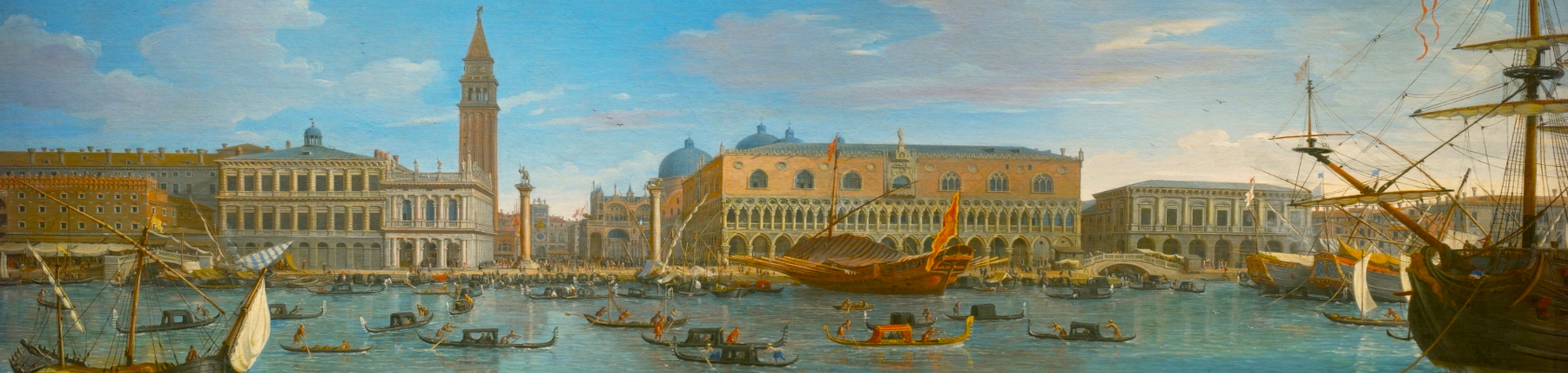
View of Venice from the Island of San Giorgio
Gaspare Vanvitelli (1697)
"We've taken a leap into the future so you can travel to the past. Sign up and access our AI chat.
What new feature does this chat offer?
Natural Language: Ask it anything you want to know as if you were talking to a tutor: Which cities did Francisco Guerrero visit on his trip to Jerusalem? or Is there an article about bells?, for example.
Smart Access: Not only does it respond based on the content available on Historical Soundscapes, but it also provides links to articles where you can verify the accuracy of its response.

The organ of the church of Nuestra Señora de la Asunción in Cúllar Vega (Granada) …

Inventory of instruments and music books of Alonso Calvo (1561).

On 28 July 1531, Toledo became the third Hispanic cathedral to hire a stable group …

On 13 February 1651, Francisco de Zamora, blacksmith and trumpet player, resident of Medina del …
Manuela de Escamilla performed at the Pátio das Arcas in Lisbon in 1689 and 1690. During her stay in that city, she and other members of the company stayed in …
Works by Francisco Guerrero at the Folger Shakespeare Library (Washington D.C.).
Sister Ana de la Cruz was the daughter of Fernando Afán de Ribera, 3rd Duke of Alcalá de los Gazules, 6th Count of Los Molares and 5th Marquis of Tarifa. …
The Augustinian friar fray Pedro Durán was the most active known copyist of polyphonic music in Granada during the last quarter of the 16th century. The book of polyphony 7 …
Confraternities at the church of Nuestra Señora de las Angustias.
Manuela de Escamilla was born in Monforte de Lemos (Lugo) on 20 May 1648. She was the daughter of Antonio de Escamilla and Francisca Díaz.
Books for the use of wind players in the Cathedral of Granada (1566-1600).
On 7 November 1633, Pedro de Cátedra Fajardo was examined on the organ of the church of El Sagrario in Seville by Francisco Pérez de Cabrera and Andrés Martínez, organists …
The confraternity of Saint Hyacinth had its headquarters in the collegiate church of El Salvador in Seville at least during the first half of the 17th century. Its main annual …
Villancicos composed for the religious profession of nuns in the convent of Santa María Magdalena in Madrid (1728).