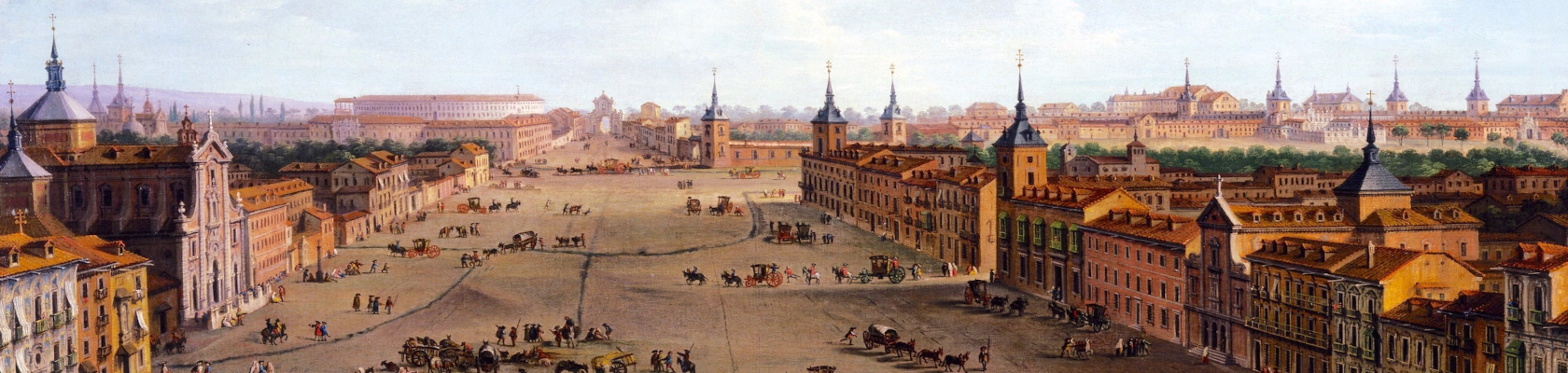
View of Alcalá Street in Madrid
Antonio Joli (c. 1750-1754)
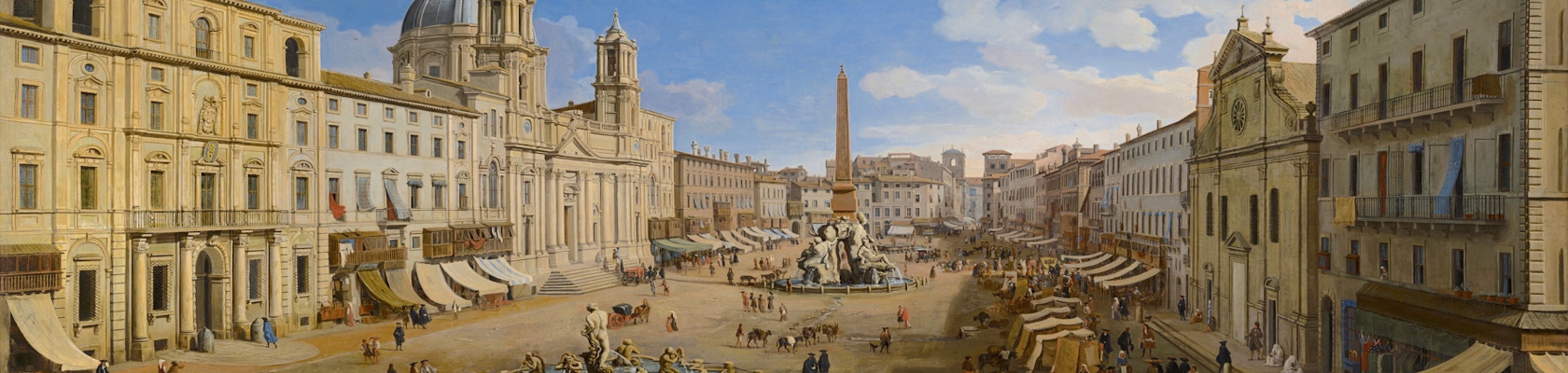
Piazza Navona, Rome
Caspar van WitteI (1699)
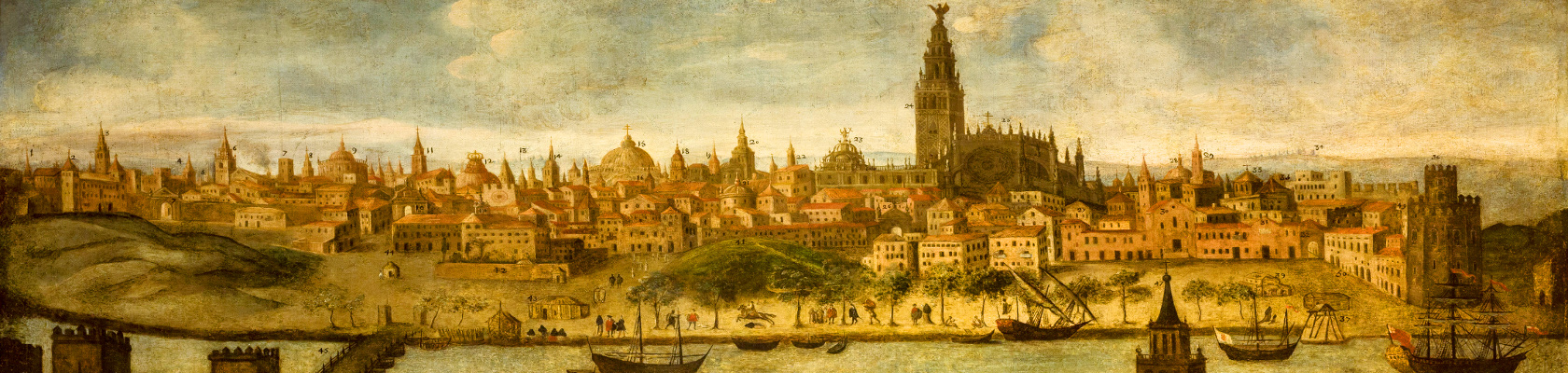
View of Seville from Triana
Anonimous (1726)
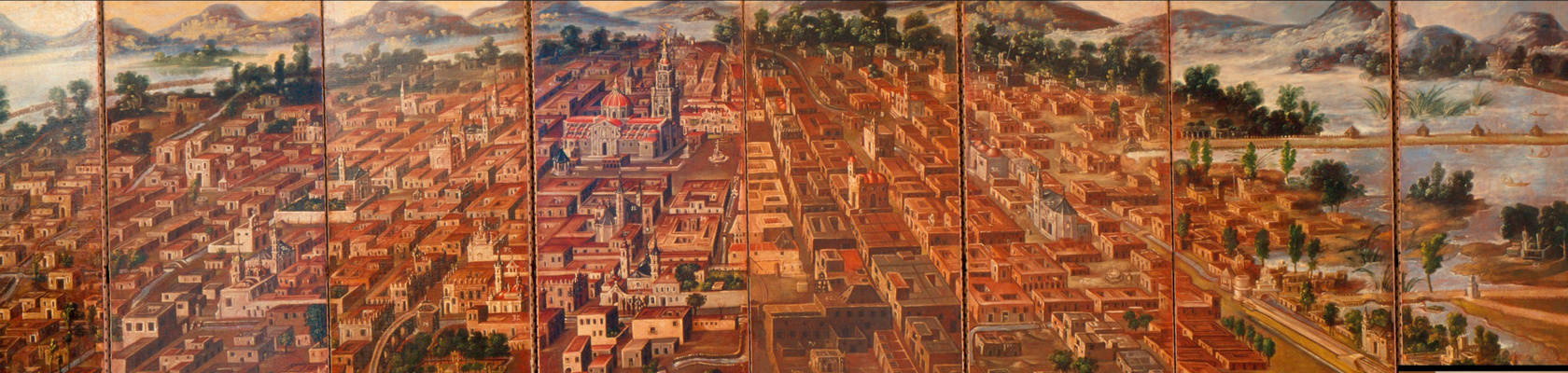
Screen of the most noble and loyal city of Mexico
Anonymous
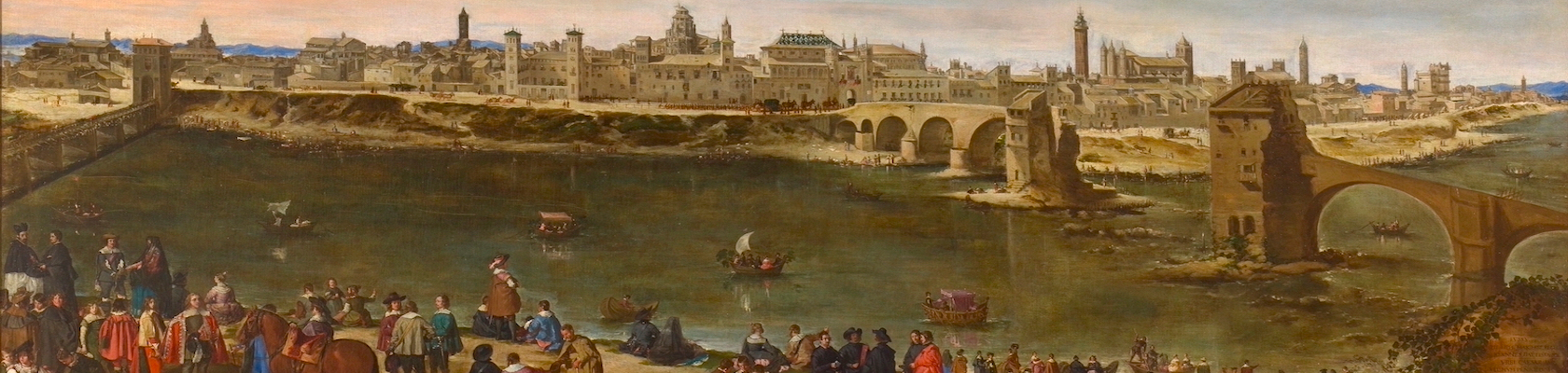
View of Zaragoza
Juan Bautista Martínez del Mazo (1647)
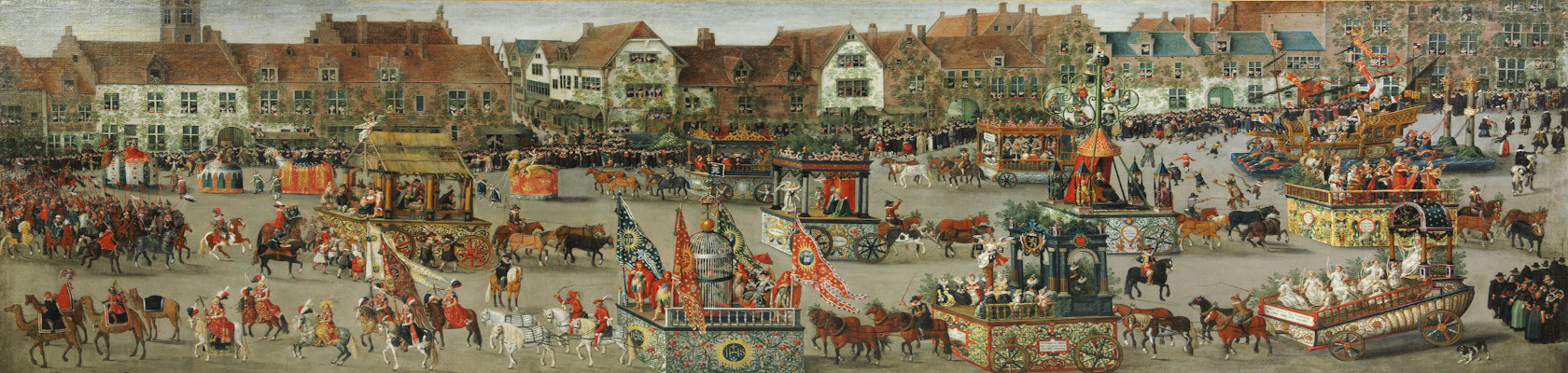
Isabel's triumph (Brussels)
Denis van Alsloot (1616)
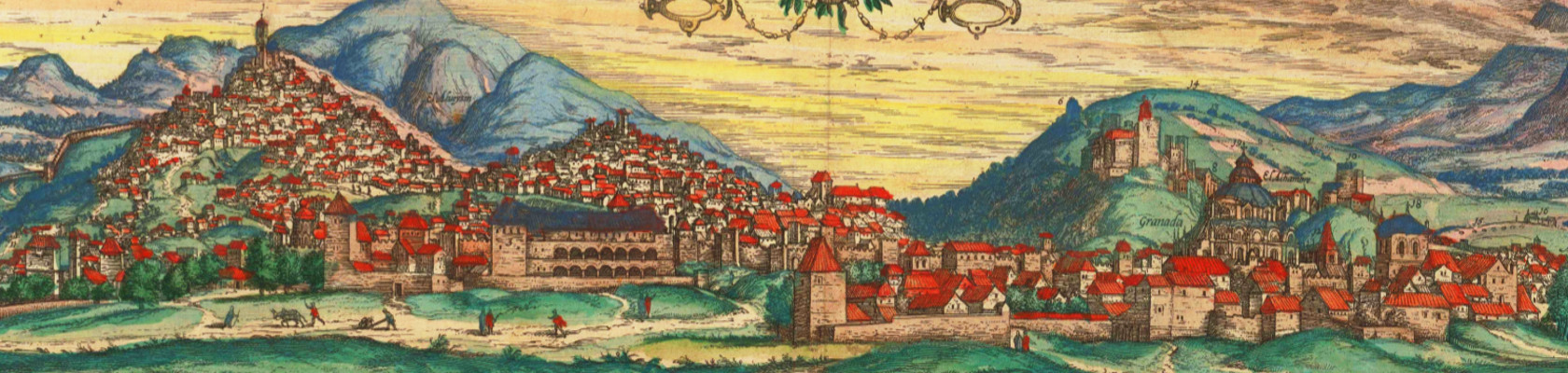
View of Granada
Civitates Orbis Terrarum, vol. 1. Georg Braun & Frans Hogenberg (1572)
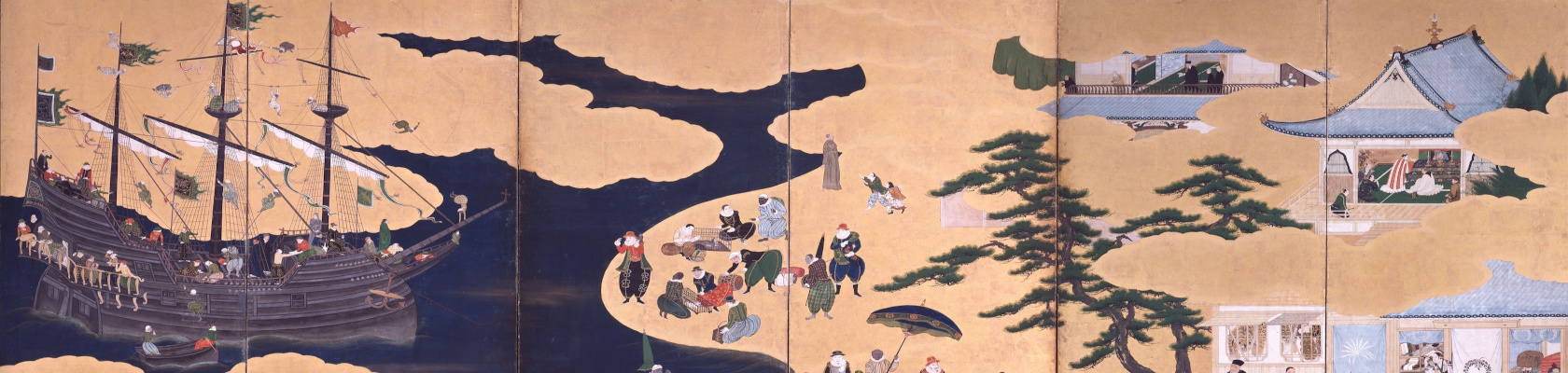
Nanban screen (Japan)
Kano Naizen (c. 1600)
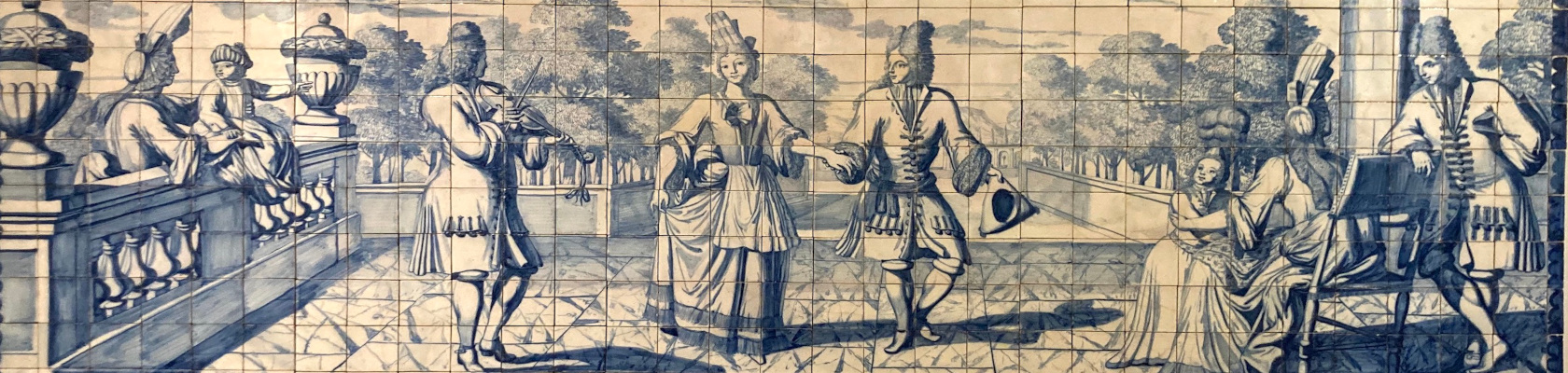
Domestic music scene
Museu Nacional do Azulejo. Lisboa
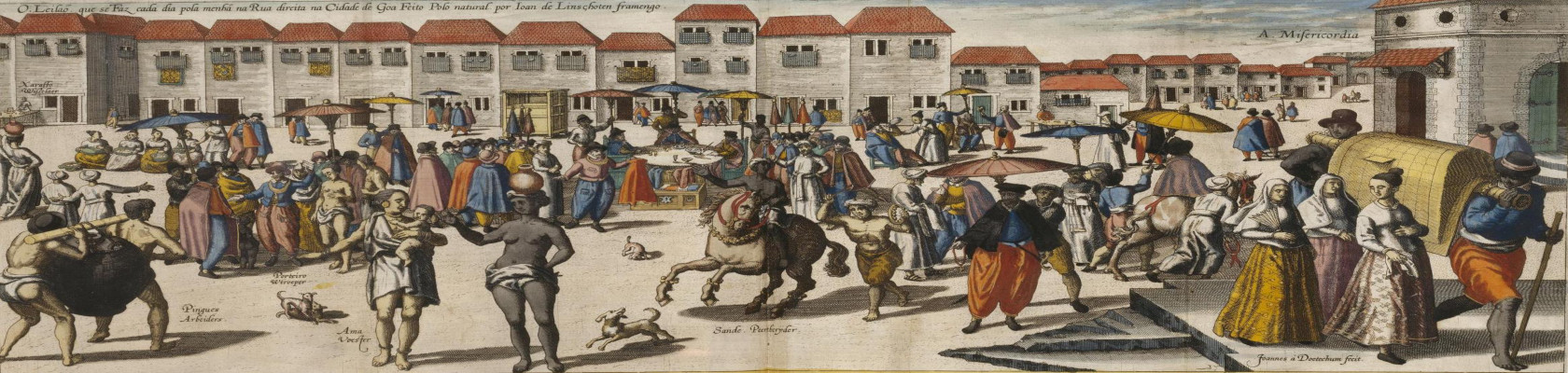
Market. Goa
Itinerario, voyage ofte schipvaert, van Ian Huygen van Linschoten naer de Oost ofte Portugaels Indien (1596)
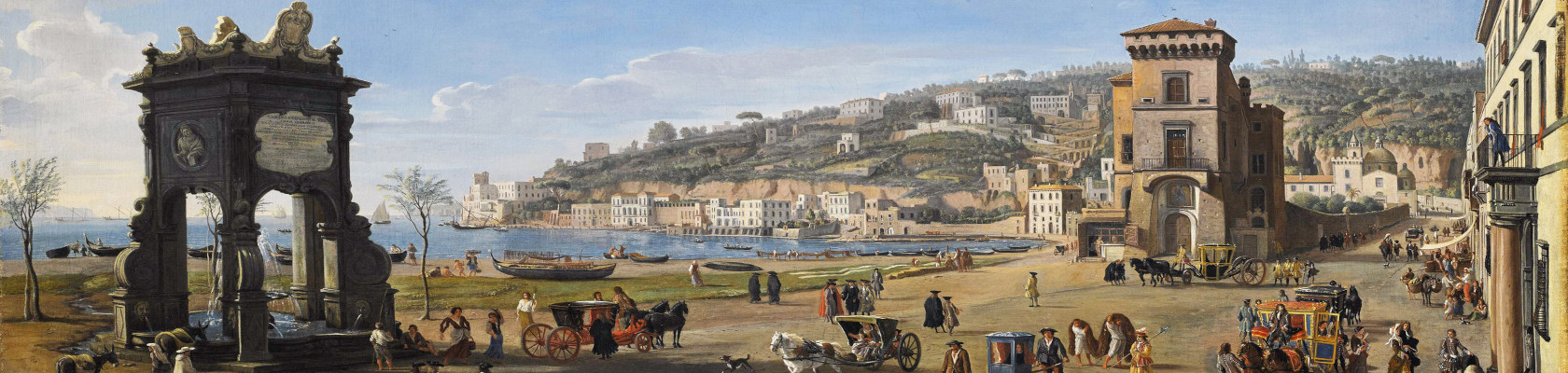
A view of the Riviera di Chiaia. Naples
Gaspar van Wittel (c. 1710)
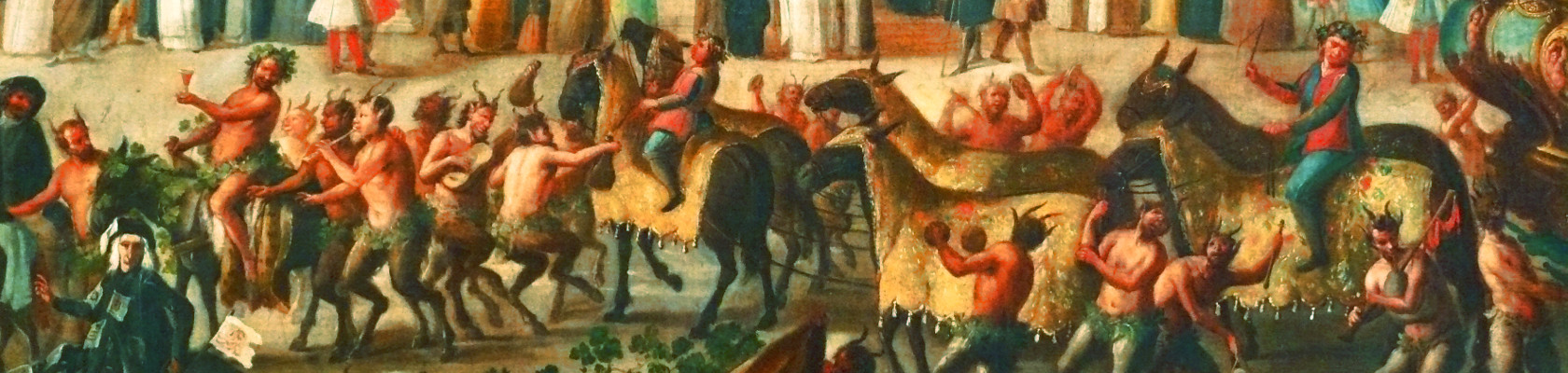
Chariot of the Common Joy (Seville)
Domingo Martínez (1748)
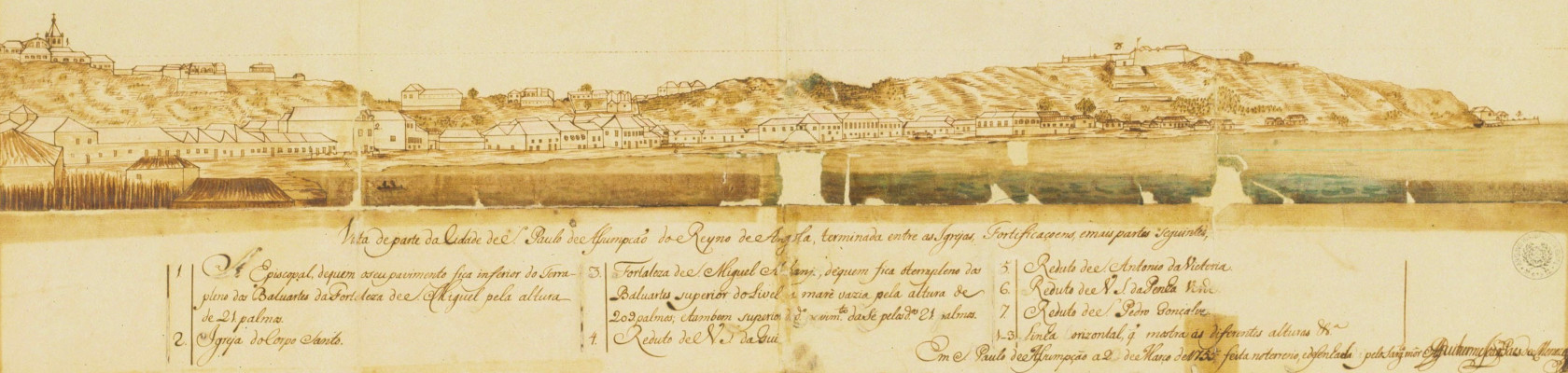
Vista de parte da cidade de S. Paulo do Reyno de Angola
Guilherme Paes de Menezes (1755)
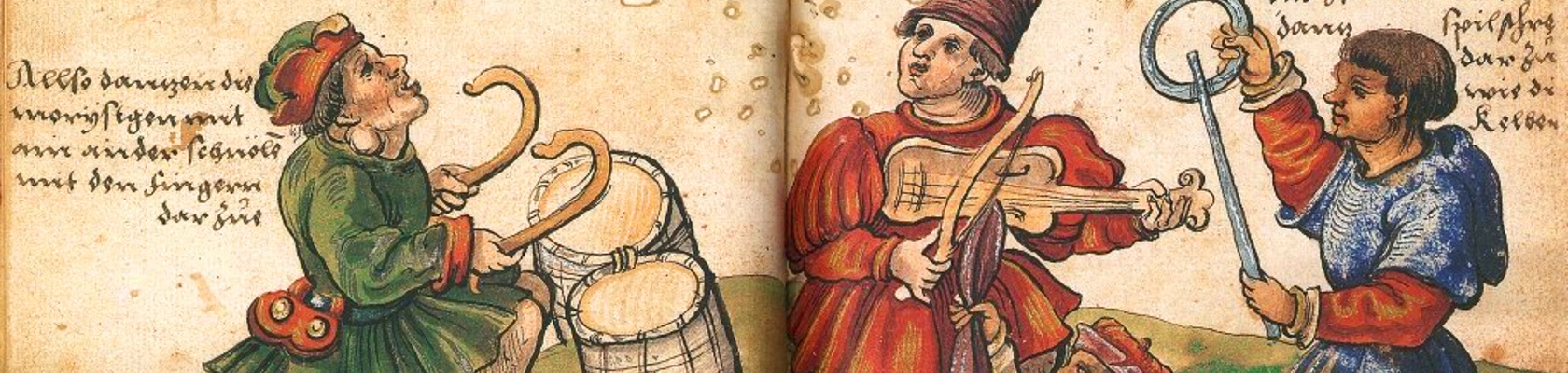
Moorish dance (Granada)
Trachtenbuch. Christoph Weiditz (c. 1530-1340)
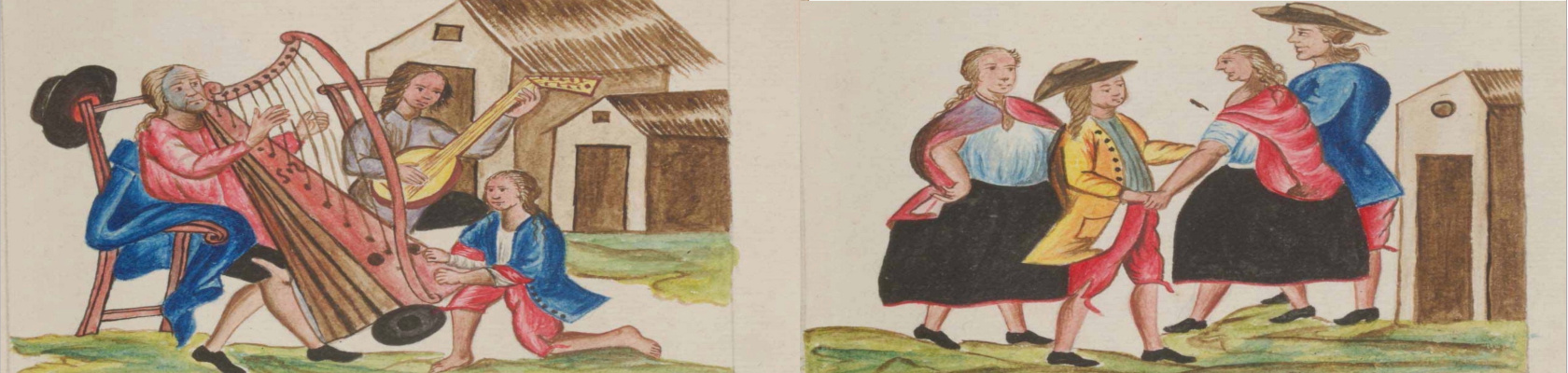
Chusco dance
Códice Trujillo del Peru o Martínez Compañón (c. 1785)
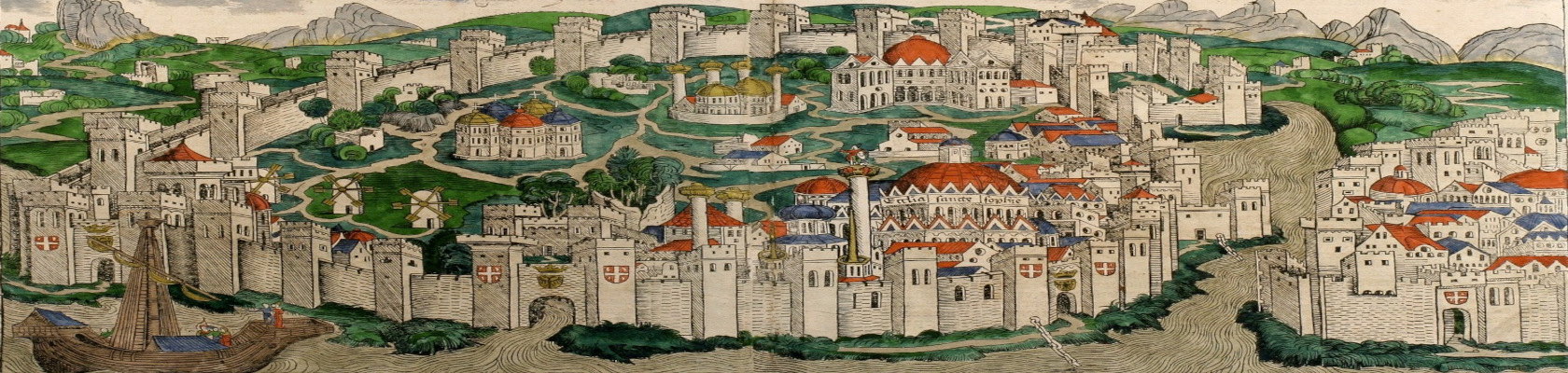
Constantinopolis
Hartmann Schedel (1493)
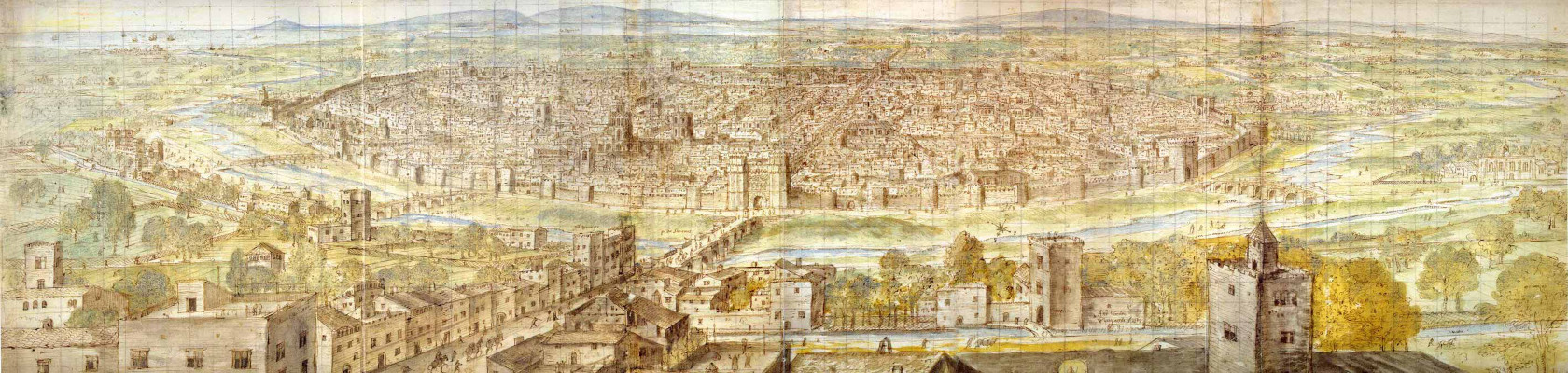
View of Valencia
Anton van der Wyngaerde (1563)
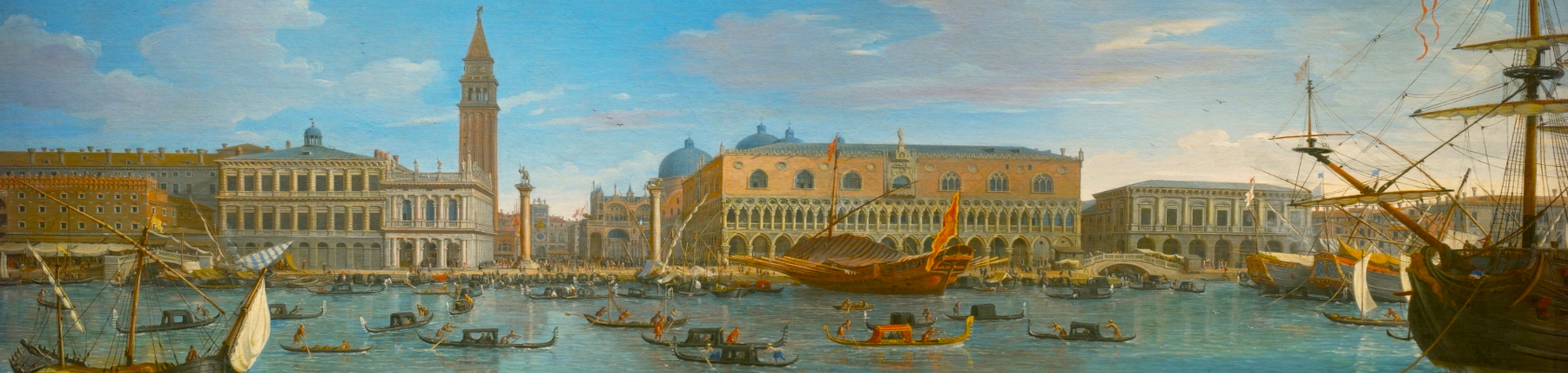
View of Venice from the Island of San Giorgio
Gaspare Vanvitelli (1697)

The writings of Sister Magdalena de Cristo, a Mercedarian, give us an insight into the …

On 18 August 1689, the music chapel of Barcelona Cathedral performed four villancicos, probably composed …


The Convent of San Francisco in Valladolid, now completely disappeared, was historically prominent in the …
The description of a night of revelry in the prison of Seville, at the end of the 16th century, with food, music and sex, shows the laxity of customs in …
The testimony of Cristóbal de Chaves, in his Relación de las cosas de las cárcel de Sevilla y su trato, brings us closer to the sounds of popular music that …
Miguel de Cervantes, in El Celoso extremeño, becomes a literary witness to the musical enthusiasm of Seville's black ethnic minority. In this work, he offers us a valuable testimony of their …
The remodelling in 1574 of the Alameda de Hércules in Seville made it a place for recreation and strolling for the citizens, especially in summer, enlivened by a group of …
At the beginning of his play Lo cierto por lo dudoso, Lope de Vega takes us to the night of San Juan, in the Alameda in Seville, a space that …
On 20 July 1515, Íñigo López de Mendoza, 1st Marquis of Mondéjar and 2nd Count of Tendilla (1440-1515), died in the Alhambra at the age of 74. His mortal remains …