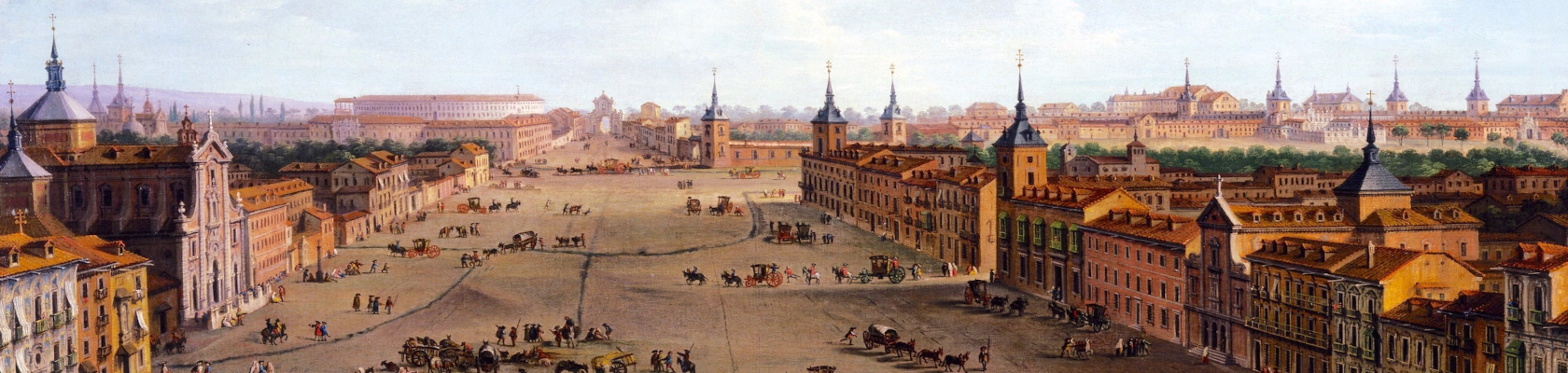
View of Alcalá Street in Madrid
Antonio Joli (c. 1750-1754)
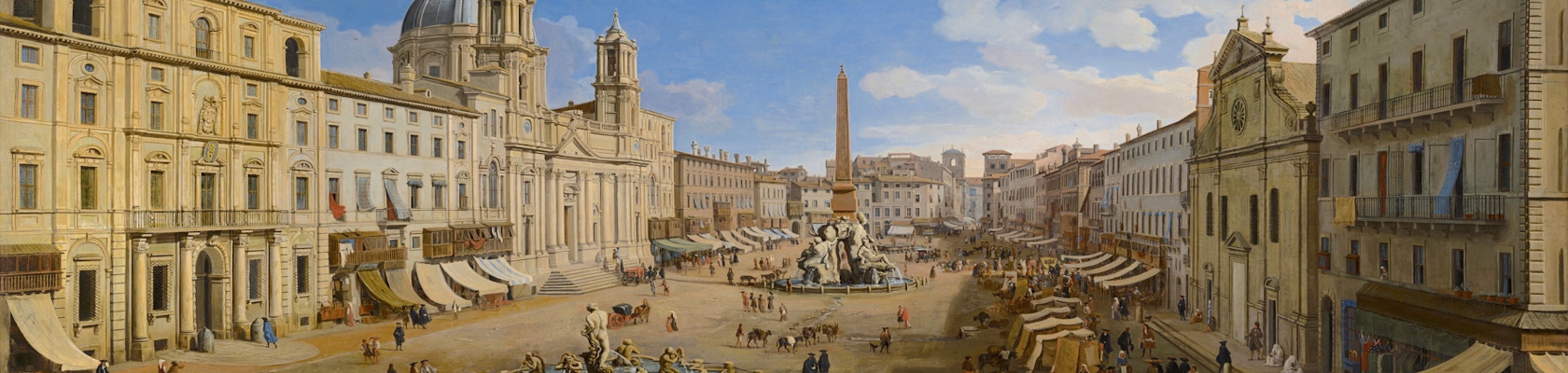
Piazza Navona, Rome
Caspar van WitteI (1699)
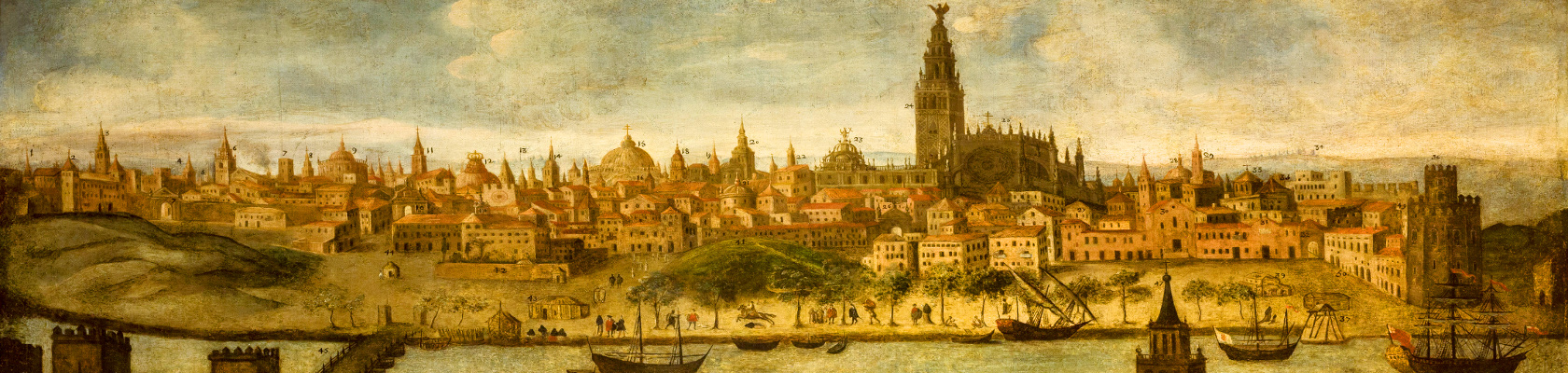
View of Seville from Triana
Anonimous (1726)
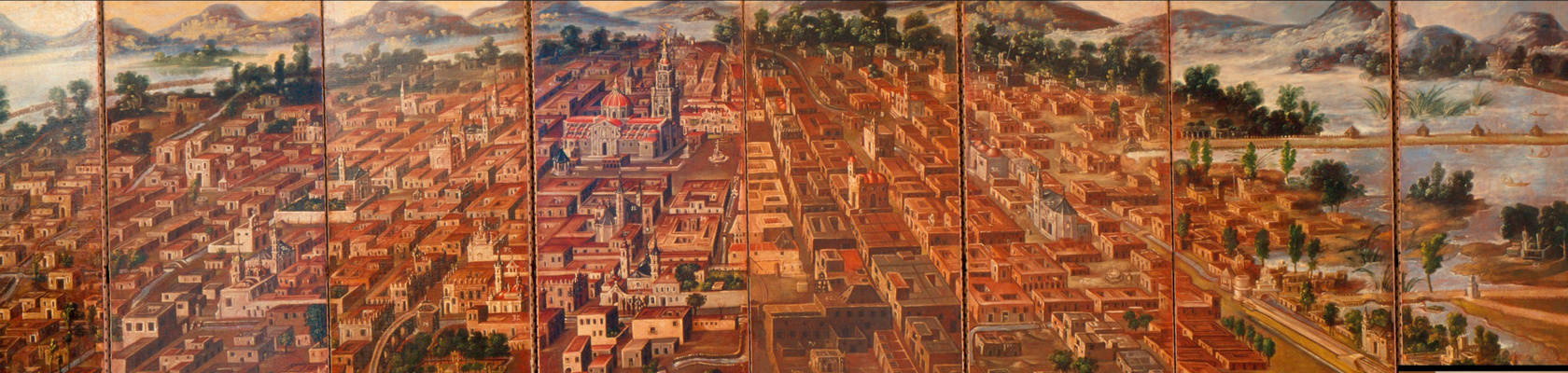
Screen of the most noble and loyal city of Mexico
Anonymous
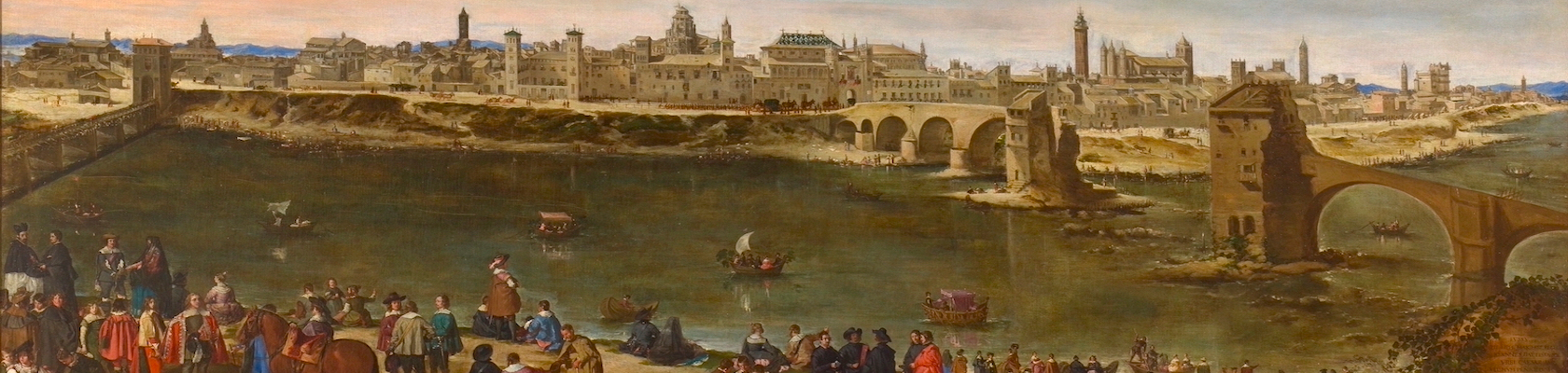
View of Zaragoza
Juan Bautista Martínez del Mazo (1647)
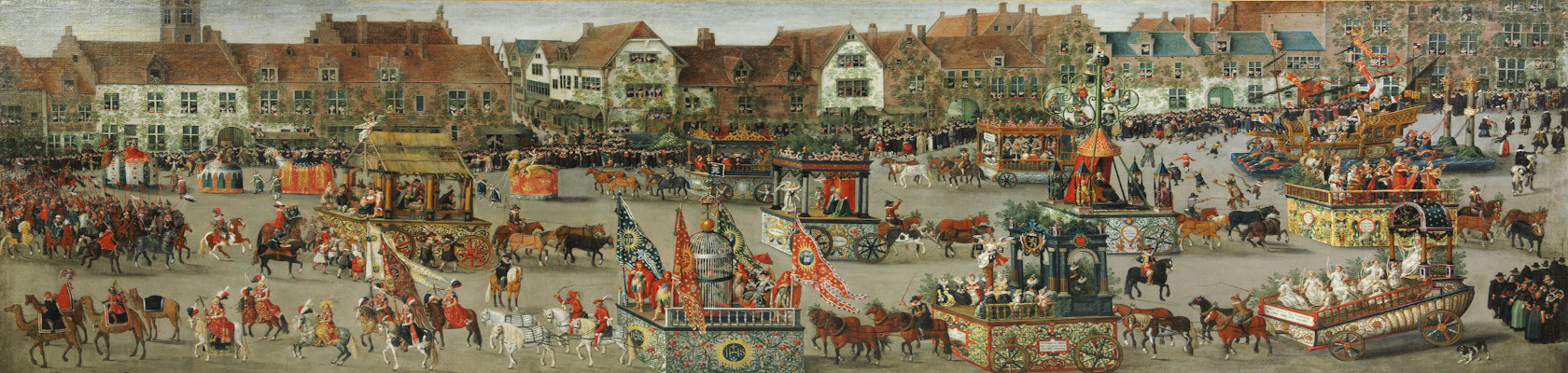
Isabel's triumph (Brussels)
Denis van Alsloot (1616)
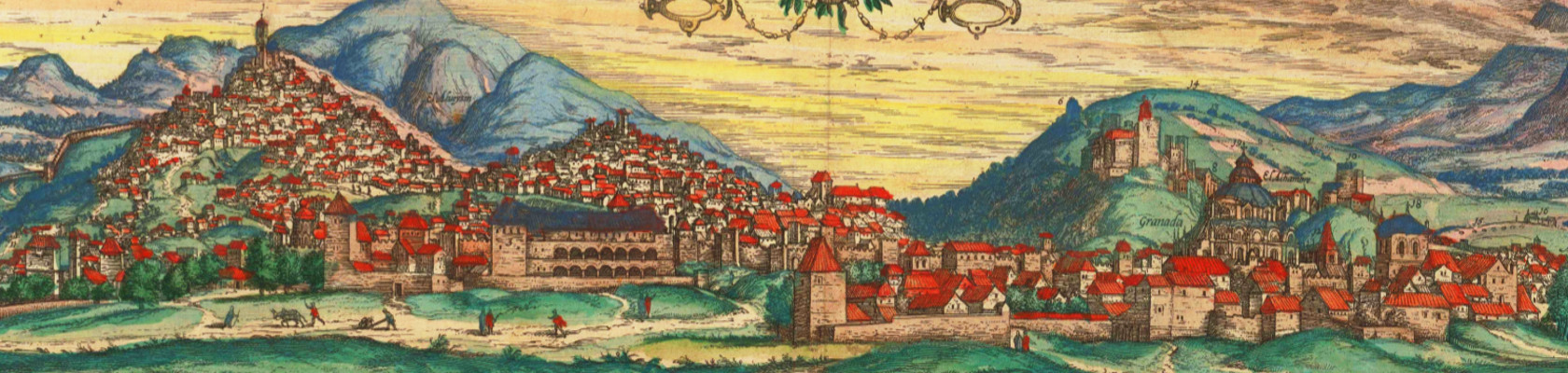
View of Granada
Civitates Orbis Terrarum, vol. 1. Georg Braun & Frans Hogenberg (1572)
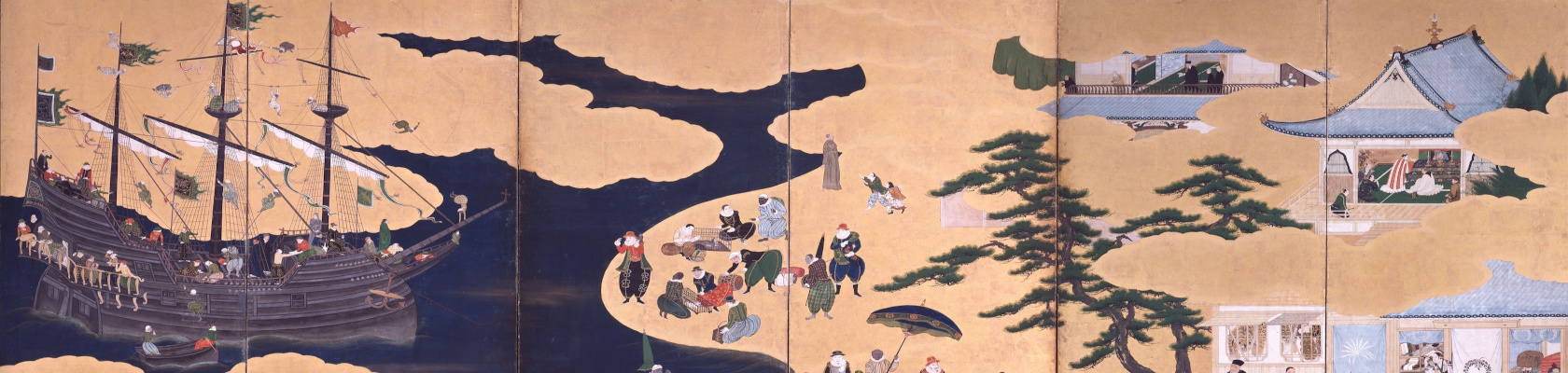
Nanban screen (Japan)
Kano Naizen (c. 1600)
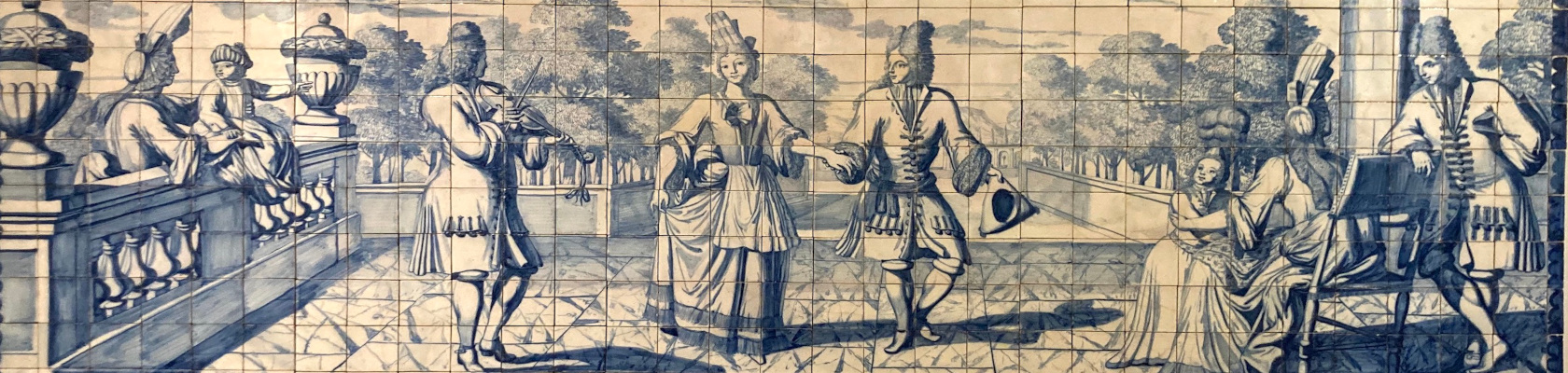
Domestic music scene
Museu Nacional do Azulejo. Lisboa
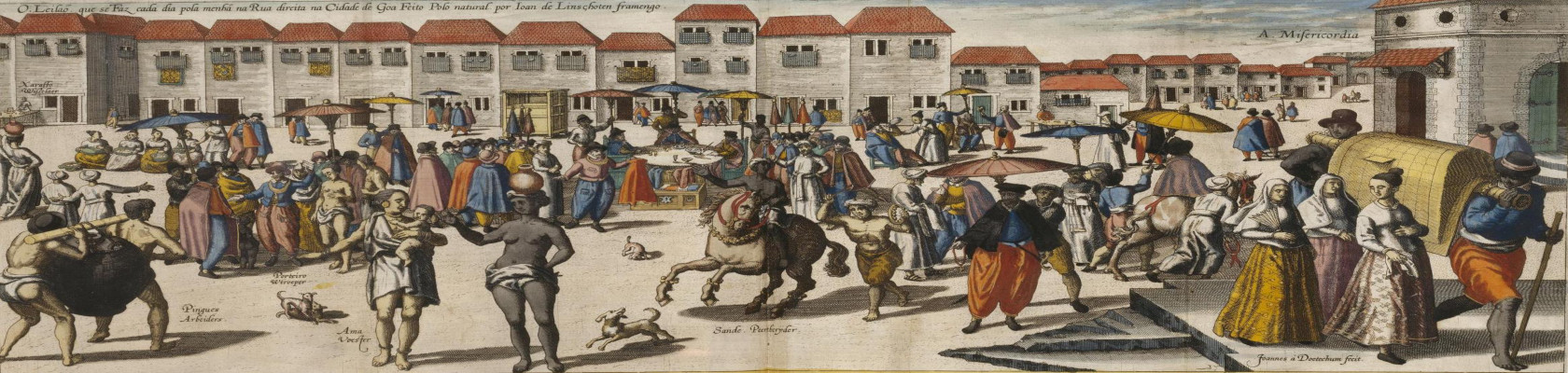
Market. Goa
Itinerario, voyage ofte schipvaert, van Ian Huygen van Linschoten naer de Oost ofte Portugaels Indien (1596)
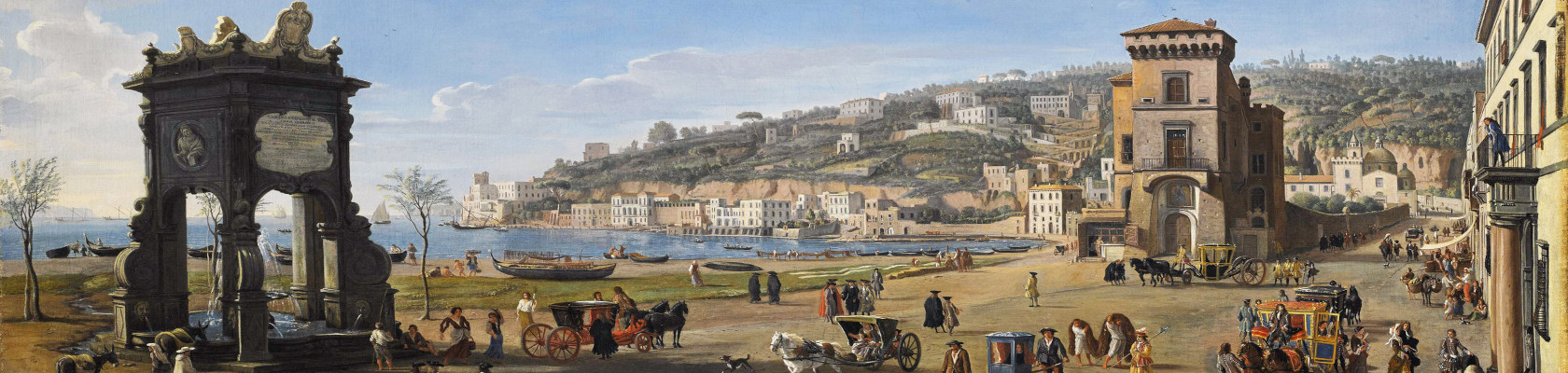
A view of the Riviera di Chiaia. Naples
Gaspar van Wittel (c. 1710)
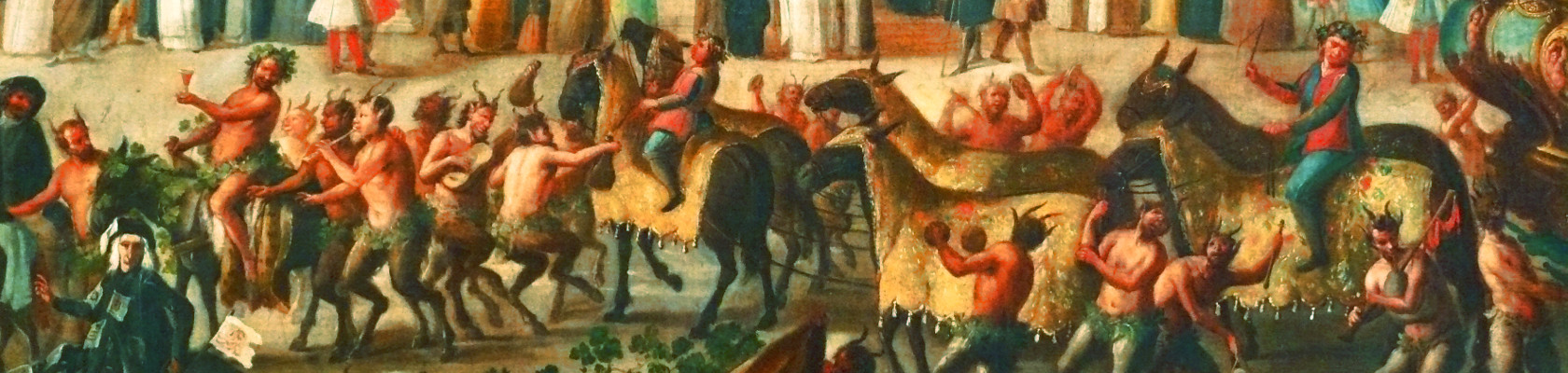
Chariot of the Common Joy (Seville)
Domingo Martínez (1748)
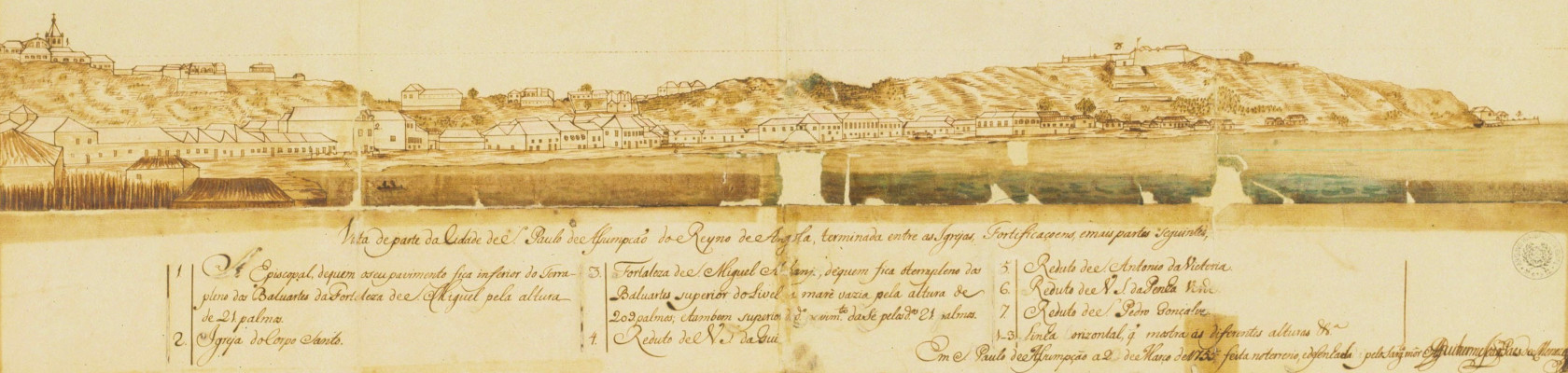
Vista de parte da cidade de S. Paulo do Reyno de Angola
Guilherme Paes de Menezes (1755)
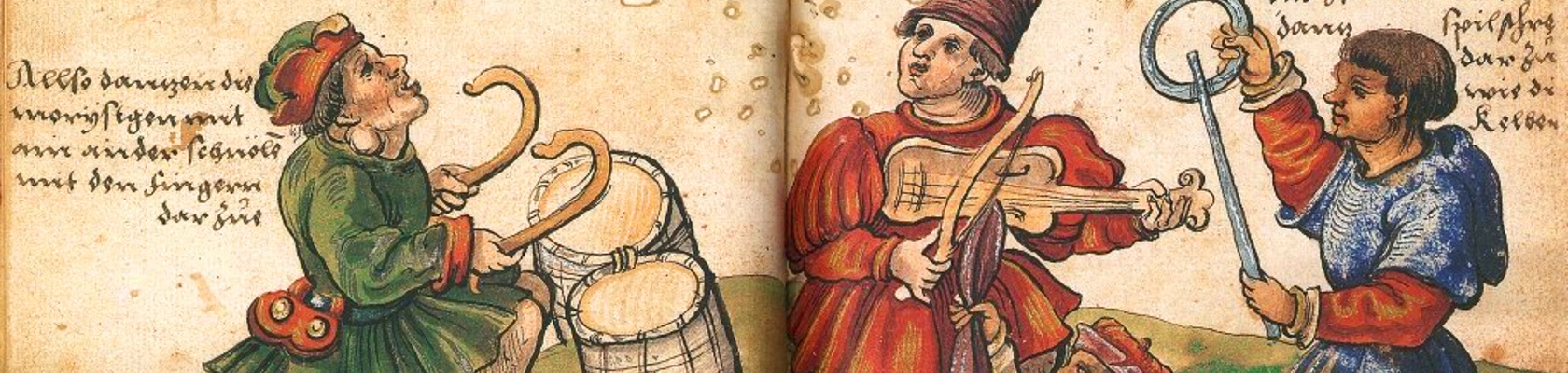
Moorish dance (Granada)
Trachtenbuch. Christoph Weiditz (c. 1530-1340)
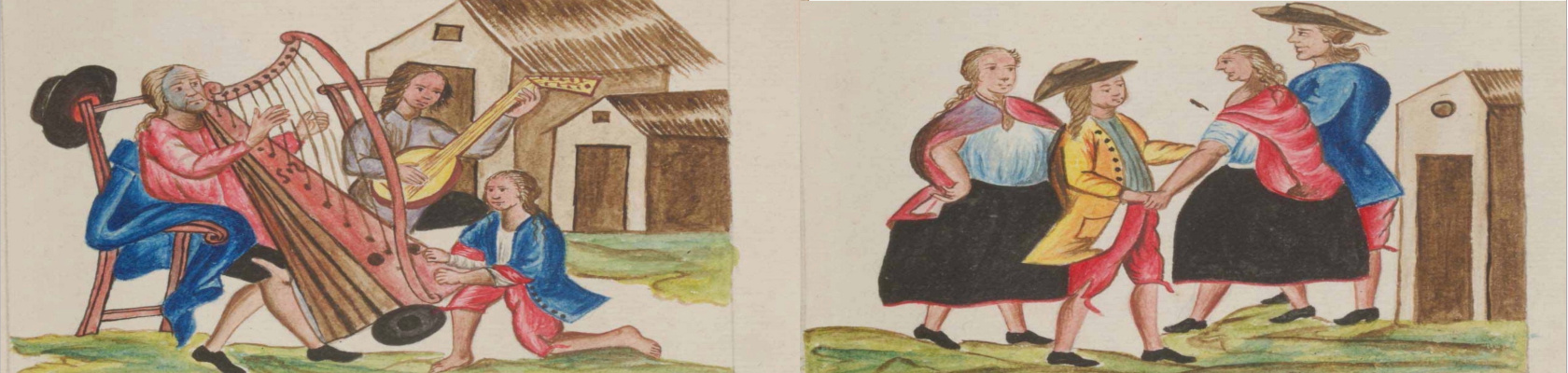
Chusco dance
Códice Trujillo del Peru o Martínez Compañón (c. 1785)
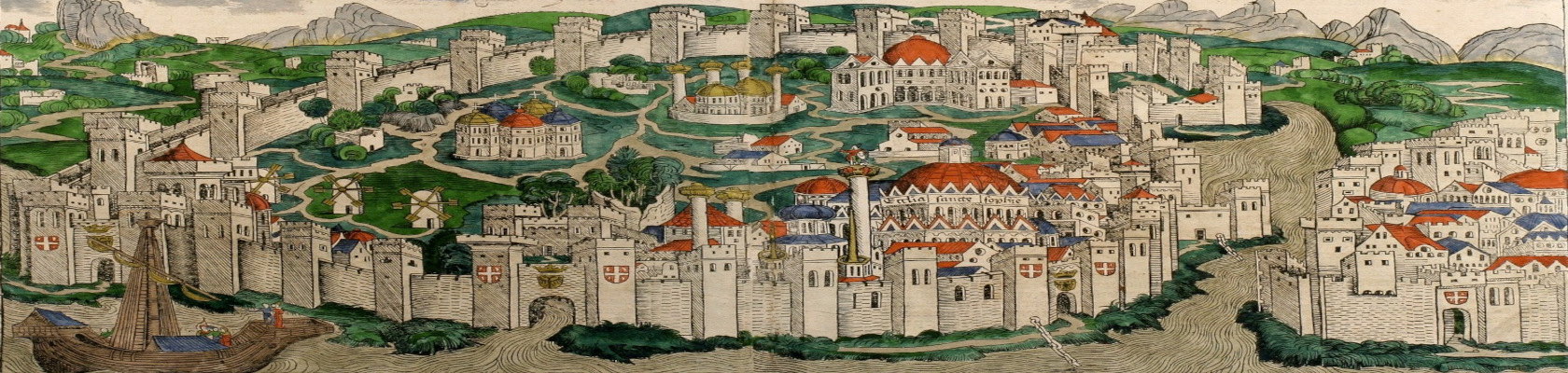
Constantinopolis
Hartmann Schedel (1493)
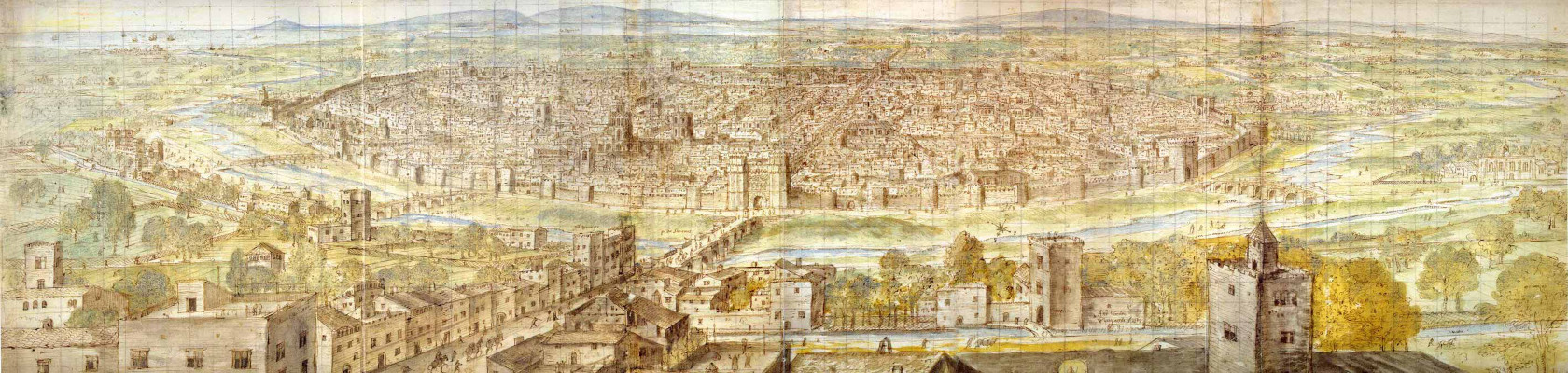
View of Valencia
Anton van der Wyngaerde (1563)
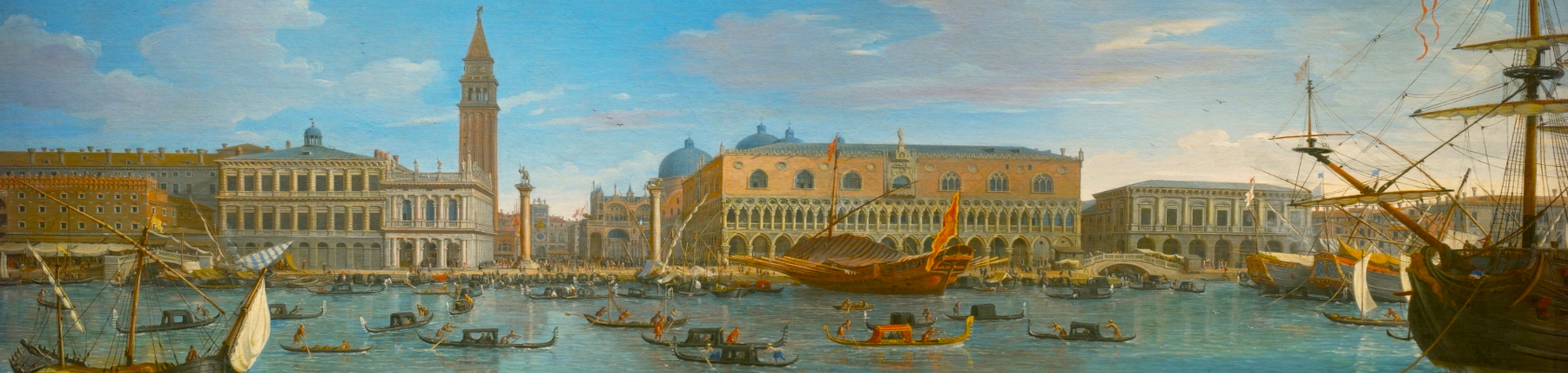
View of Venice from the Island of San Giorgio
Gaspare Vanvitelli (1697)
"We've taken a leap into the future so you can travel to the past. Sign up and access our AI chat.
What new feature does this chat offer?
Natural Language: Ask it anything you want to know as if you were talking to a tutor: Which cities did Francisco Guerrero visit on his trip to Jerusalem? or Is there an article about bells?, for example.
Smart Access: Not only does it respond based on the content available on Historical Soundscapes, but it also provides links to articles where you can verify the accuracy of its response.

The first endowment before the devotional image of Santa María del Sol in Córdoba Cathedral …

In November 1638, Johann Anton von Eggenberg, 2nd Prince of Eggenberg and 2nd Duke of …

According to several inventories made during the lifetime of Tomás Luis de Victoria, the cathedral …

Works by Francisco Guerrero in the Fondo musicale di Cappella of the Basilica of Saint …
A poetic jácara from 1687 brings us closer to the black musicians who sang and danced in the cities and towns of the Hispanic crowns during the Modern Age.
Confraternities at the church of San Juan de los Reyes.
In 1721, three villancicos were sung in the Carmelite convent of St. Albert, in Calatayud (Zaragoza), during the ceremony of the veiling of Maria Josefa de Santa Isabel, the printed …
Ceremonies for the proclamation of King Ferdinand VI in the city of Huesca (1746).
Rogation and procession with the Virgin of Guadalupe celebrated for the plague of locusts in 1755.
Christmas and Epiphany villancicos in the churches of Ecija (Sevilla) during the 17th century.
Various chronicles and studies allow us to reconstruct the foundation and endowment of the Franciscan convent of La Piedad in Guadalajara. During the second quarter of the 17th century, a …
In 1586, Andrés de Angulo's theatrical company performed two autos sacramentales and four entremeses at the Corpus Christi festivities in Guadalajara, and a masquerade in the streets of the city.
Lenten Misereres sung in front of the image of the Christ of the Expiration in the church of San Gil in Granada.
On three separate occasions, music books were found to be missing soon after Sebastián de Vivanco left important positions: first when he exchanged the post of chapelmaster at Ávila cathedral …