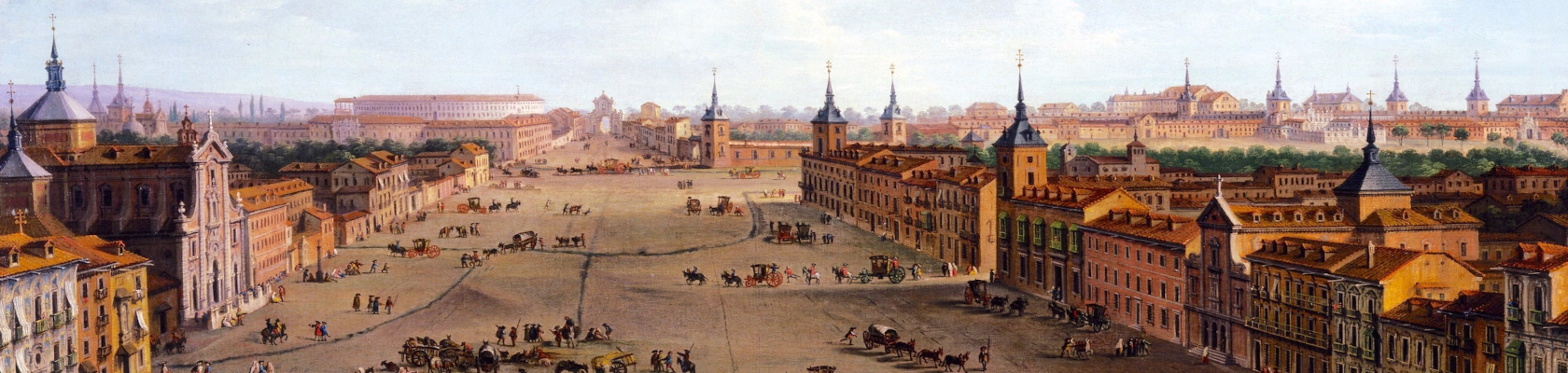
View of Alcalá Street in Madrid
Antonio Joli (c. 1750-1754)
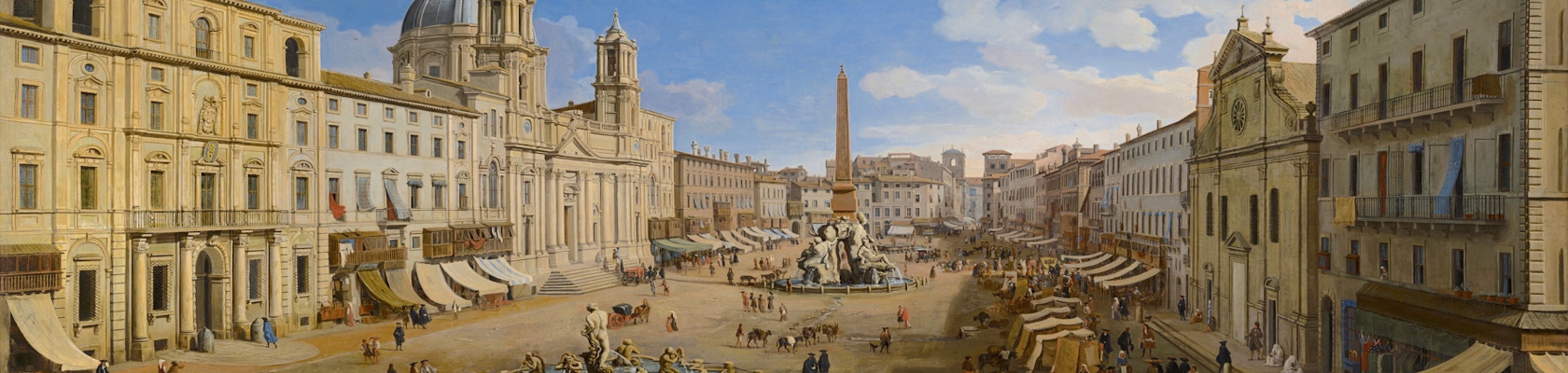
Piazza Navona, Rome
Caspar van WitteI (1699)
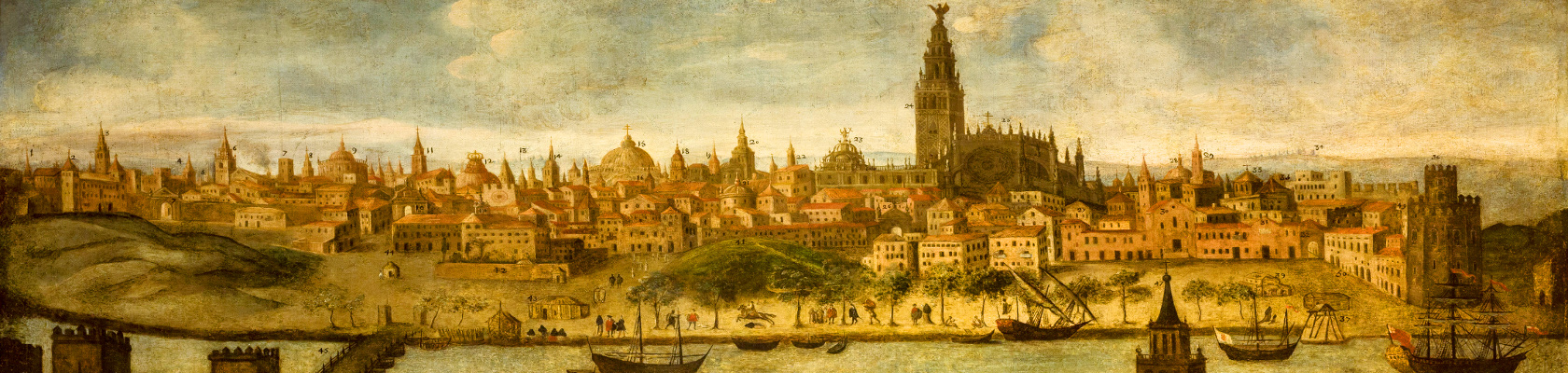
View of Seville from Triana
Anonimous (1726)
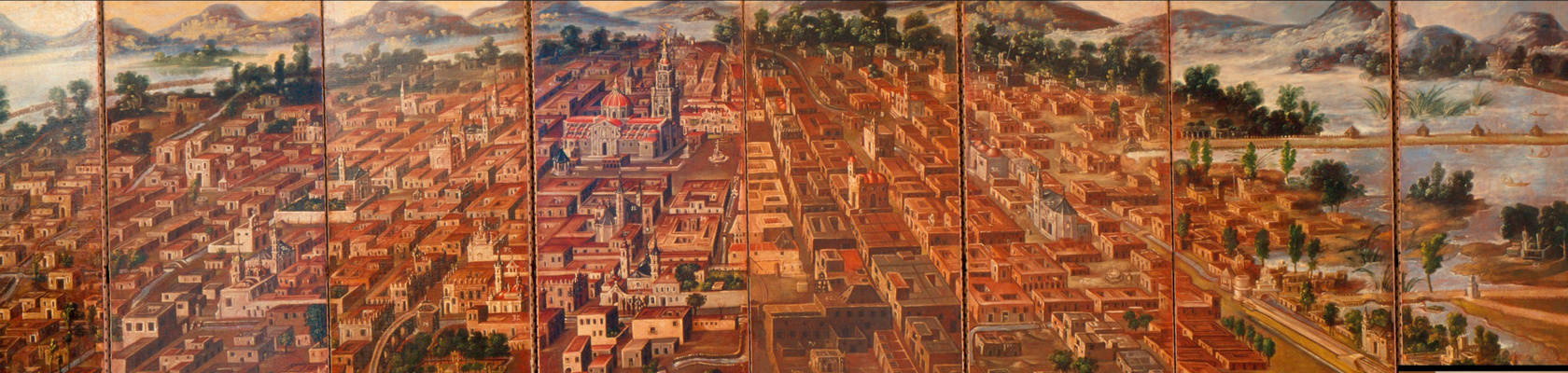
Screen of the most noble and loyal city of Mexico
Anonymous
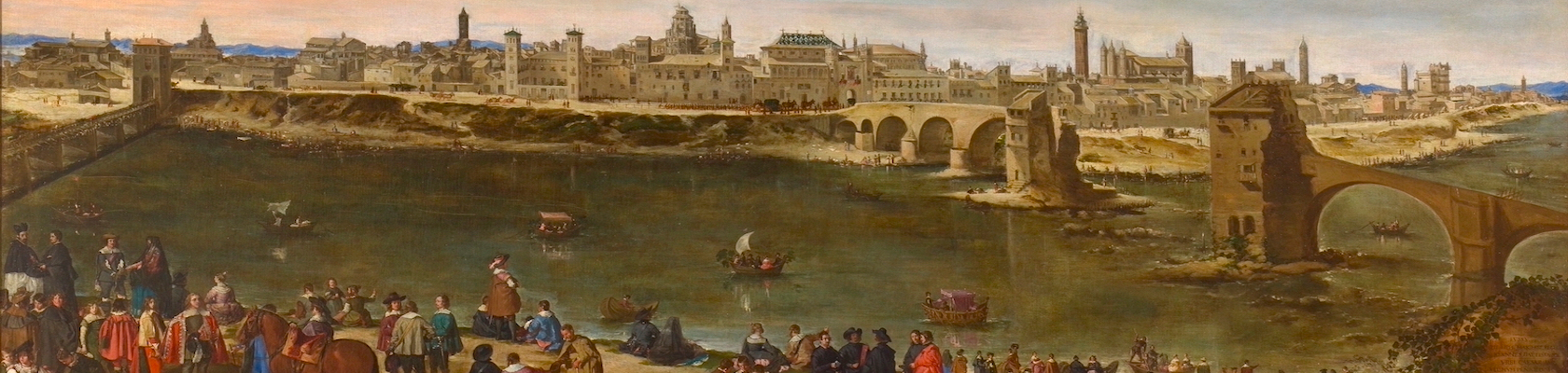
View of Zaragoza
Juan Bautista Martínez del Mazo (1647)
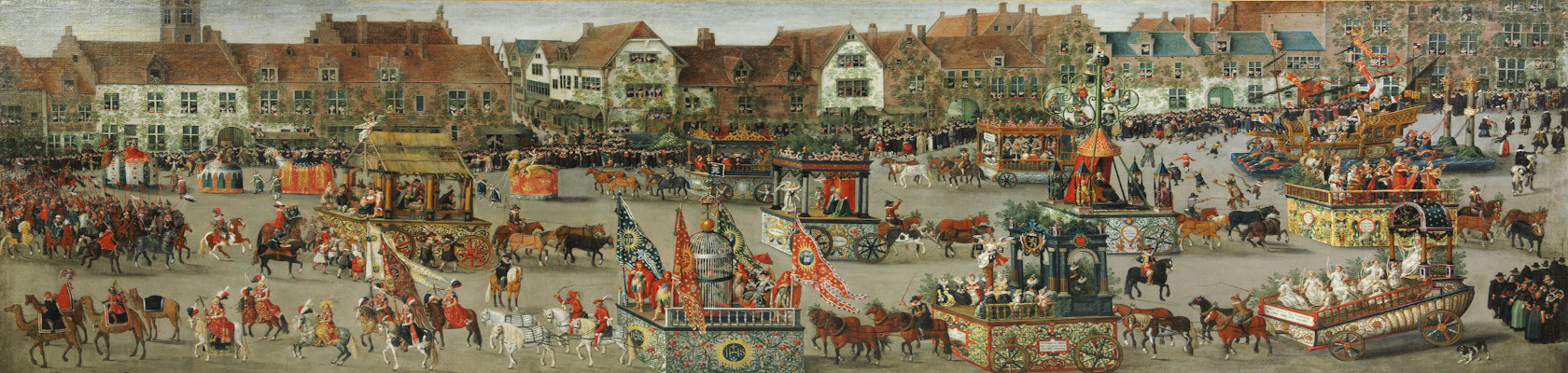
Isabel's triumph (Brussels)
Denis van Alsloot (1616)
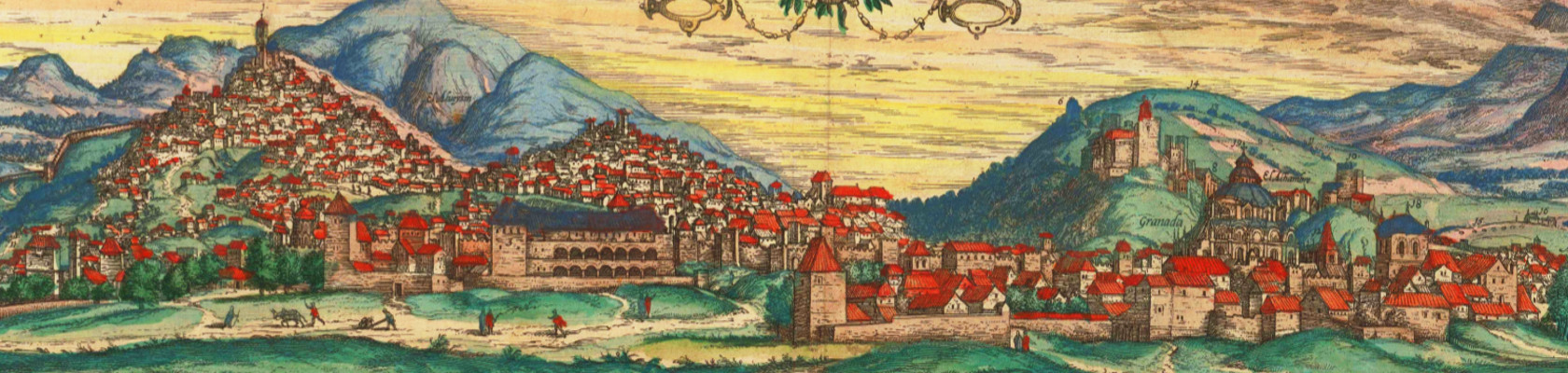
View of Granada
Civitates Orbis Terrarum, vol. 1. Georg Braun & Frans Hogenberg (1572)
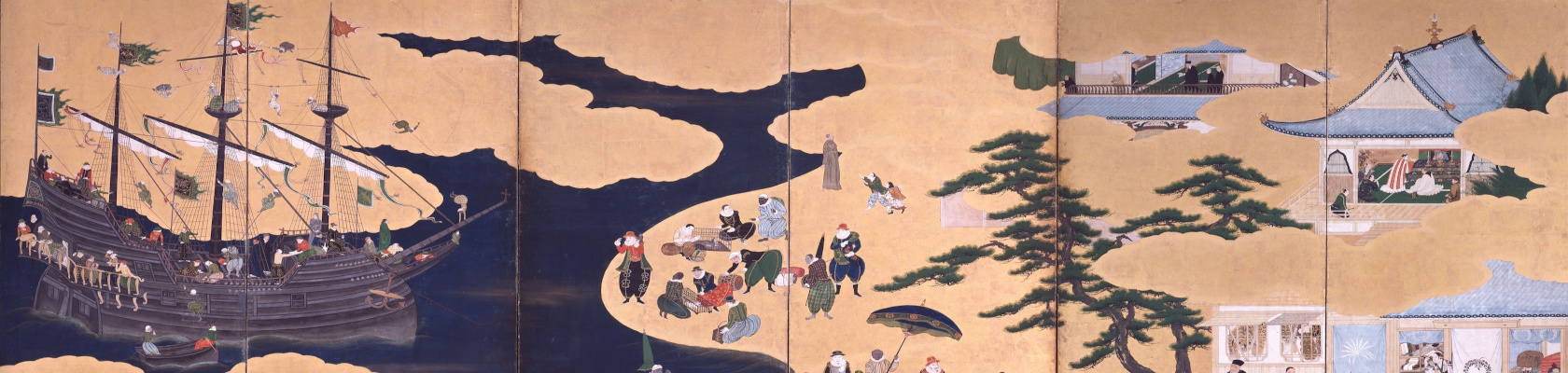
Nanban screen (Japan)
Kano Naizen (c. 1600)
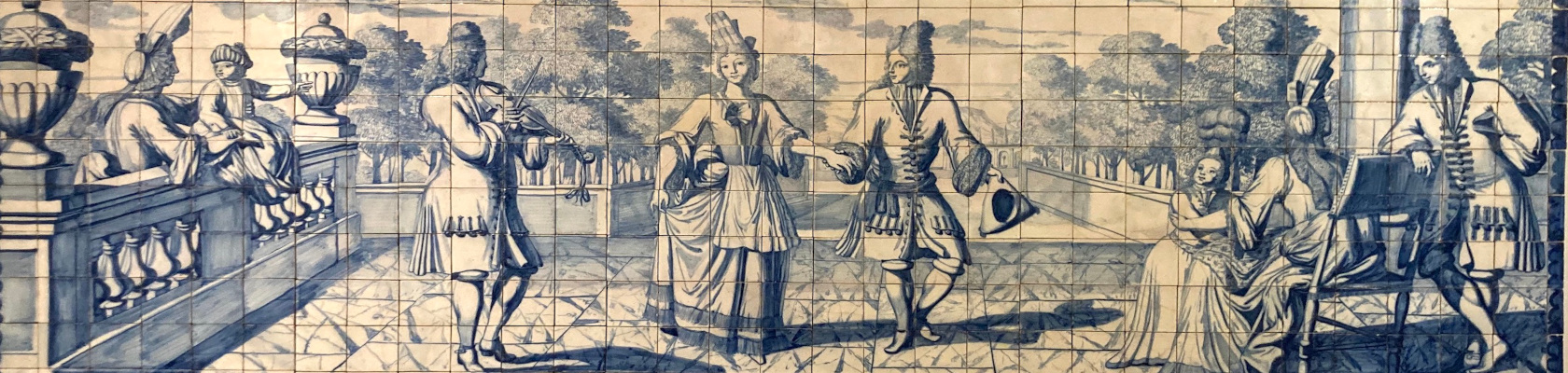
Domestic music scene
Museu Nacional do Azulejo. Lisboa
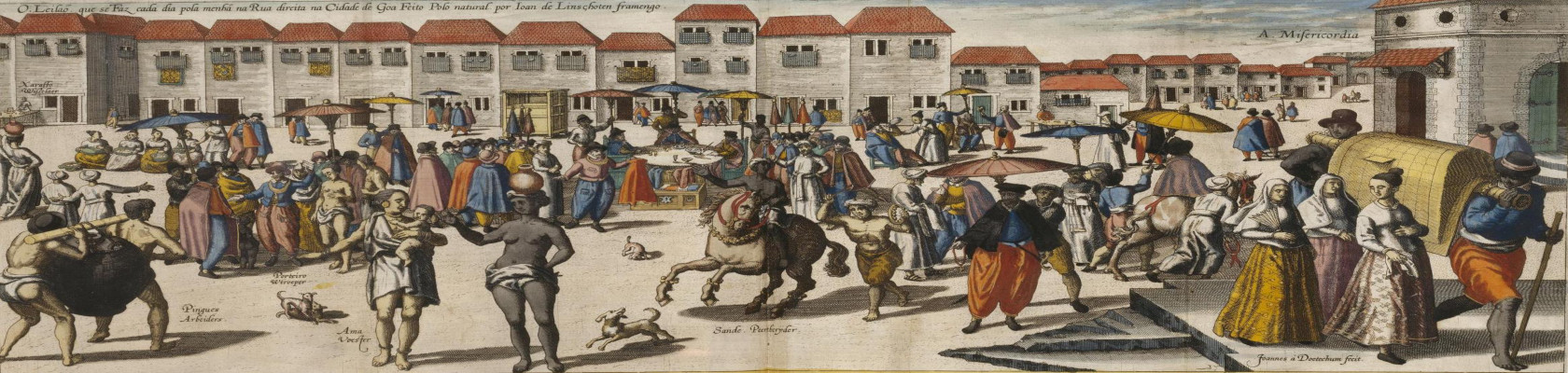
Market. Goa
Itinerario, voyage ofte schipvaert, van Ian Huygen van Linschoten naer de Oost ofte Portugaels Indien (1596)
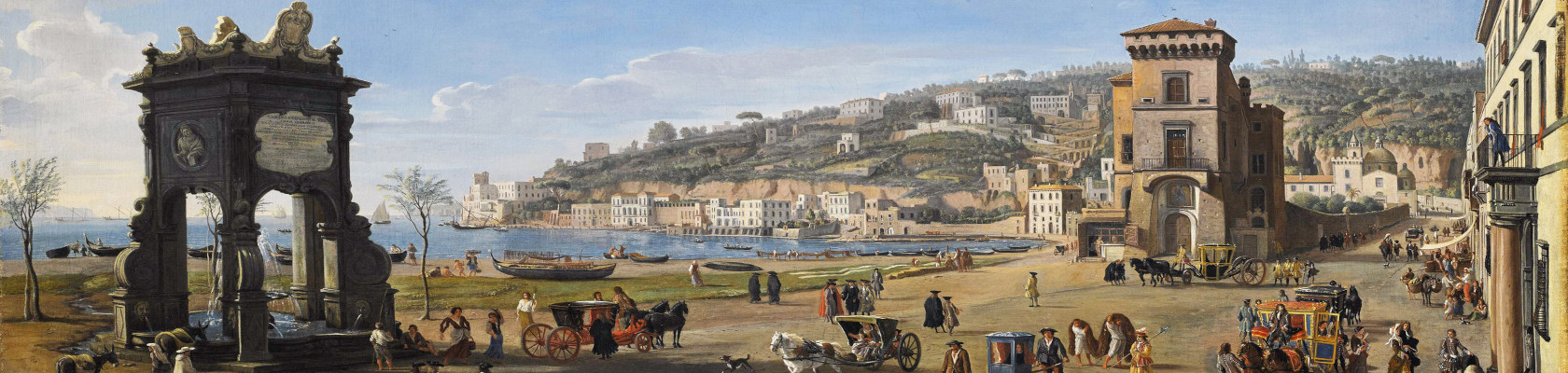
A view of the Riviera di Chiaia. Naples
Gaspar van Wittel (c. 1710)
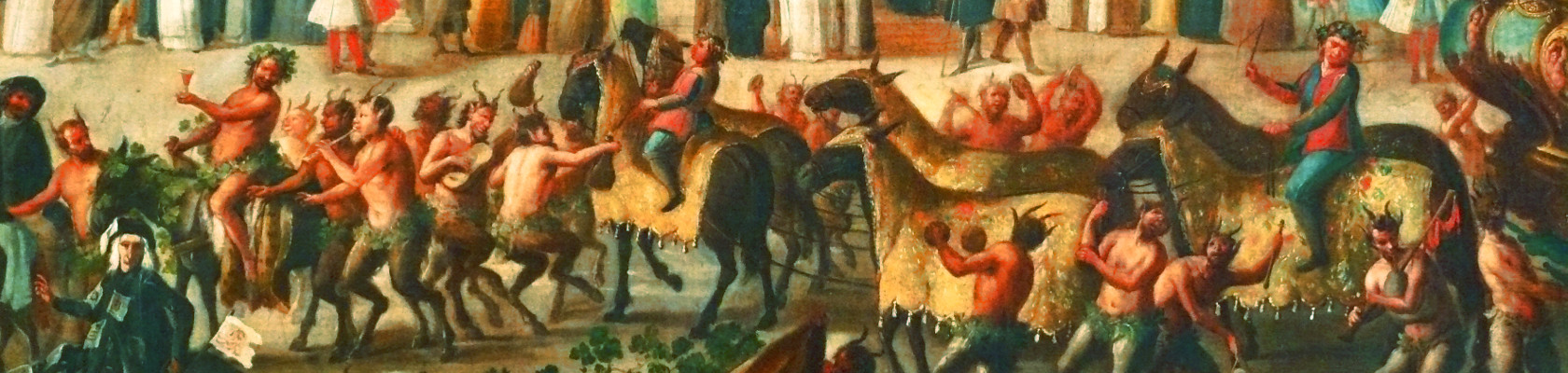
Chariot of the Common Joy (Seville)
Domingo Martínez (1748)
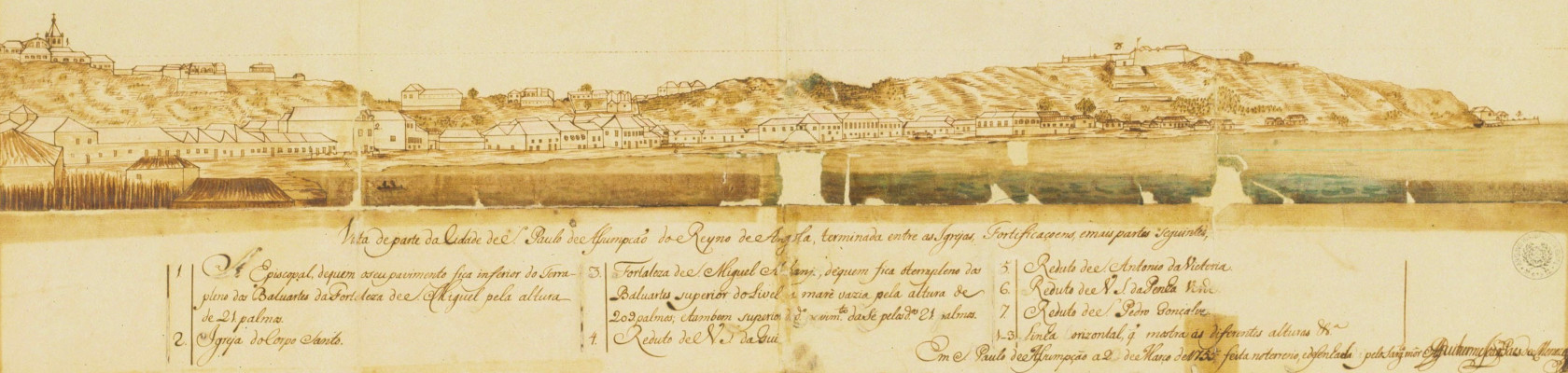
Vista de parte da cidade de S. Paulo do Reyno de Angola
Guilherme Paes de Menezes (1755)
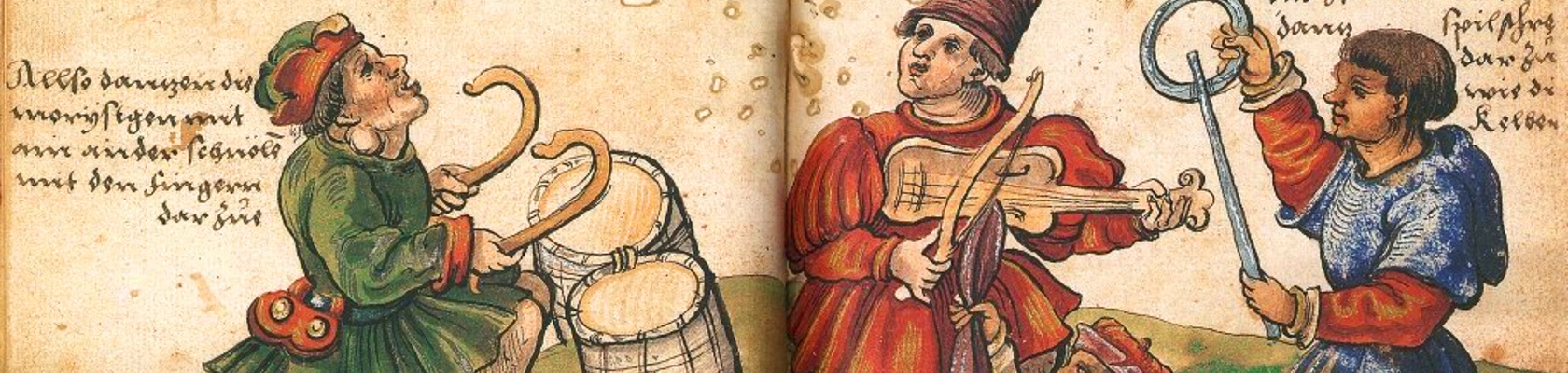
Moorish dance (Granada)
Trachtenbuch. Christoph Weiditz (c. 1530-1340)
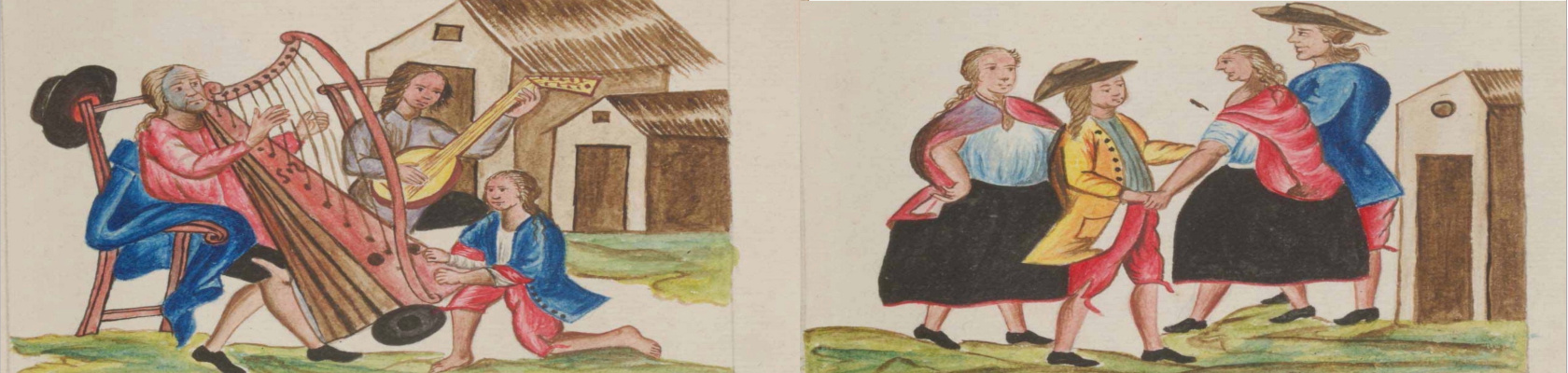
Chusco dance
Códice Trujillo del Peru o Martínez Compañón (c. 1785)
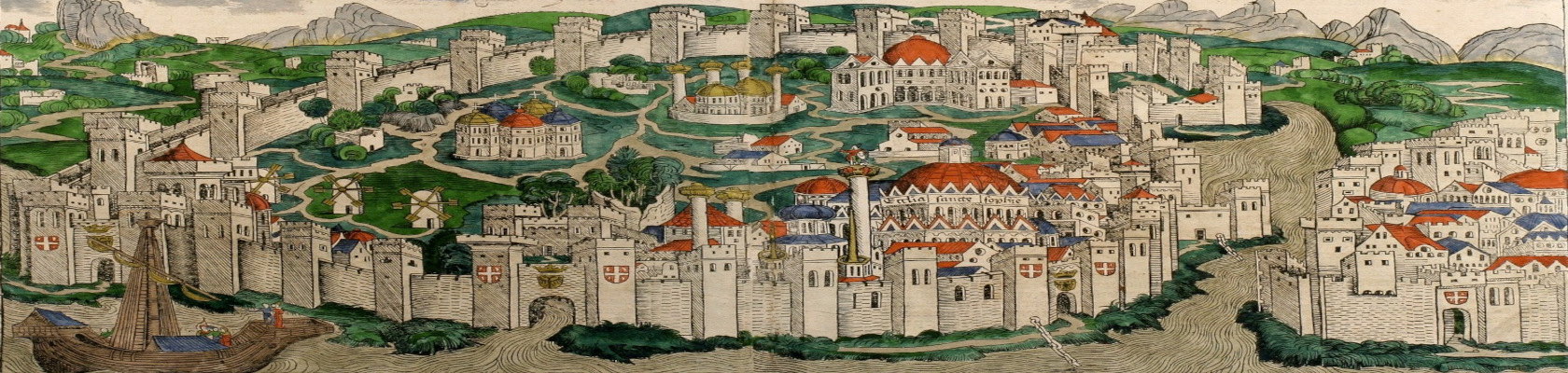
Constantinopolis
Hartmann Schedel (1493)
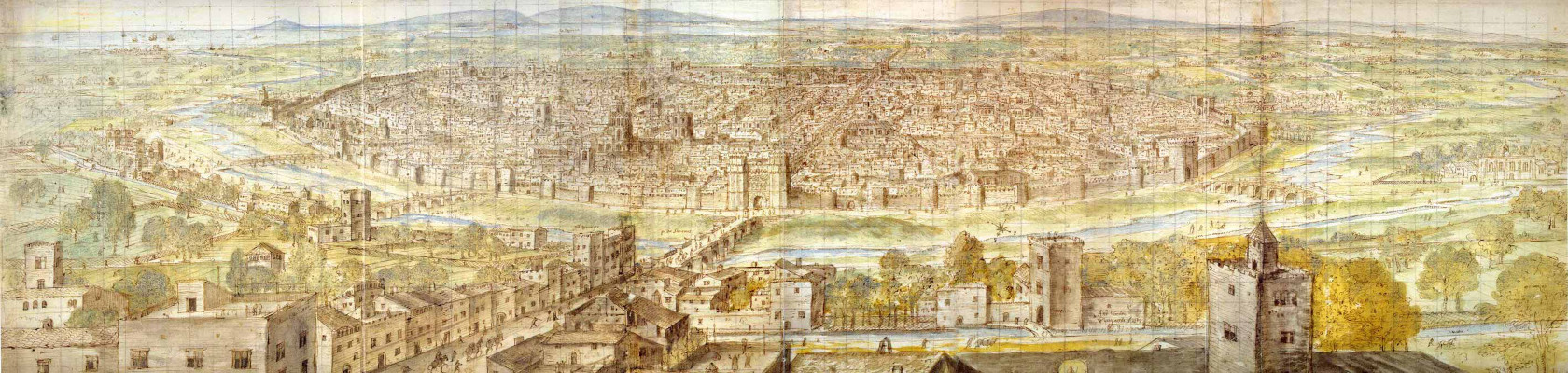
View of Valencia
Anton van der Wyngaerde (1563)
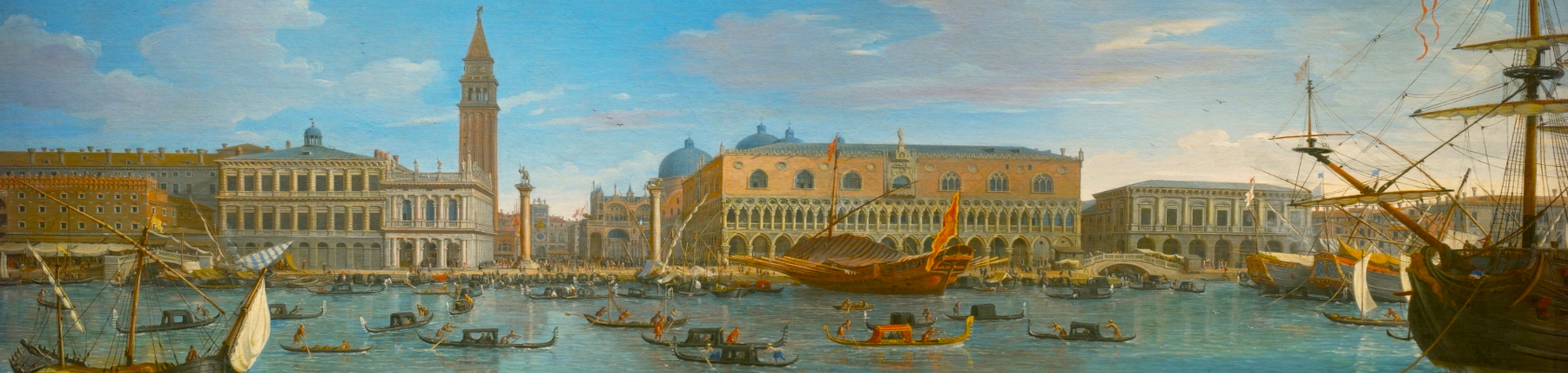
View of Venice from the Island of San Giorgio
Gaspare Vanvitelli (1697)
"We've taken a leap into the future so you can travel to the past. Sign up and access our AI chat.
What new feature does this chat offer?
Natural Language: Ask it anything you want to know as if you were talking to a tutor: Which cities did Francisco Guerrero visit on his trip to Jerusalem? or Is there an article about bells?, for example.
Smart Access: Not only does it respond based on the content available on Historical Soundscapes, but it also provides links to articles where you can verify the accuracy of its response.

Lenten Misereres sung in front of the image of the Christ of the Expiration in …

On three separate occasions, music books were found to be missing soon after Sebastián de …

Luis del Mármol Carvajal, in his Descripción general de África, published in 1573, gives us …

Confraternities at the convent of Nuestra Señora de la Cabeza.
A record in the chapter minutes of Seville Cathedral on 13 July 1644 documents the attendance of some of the musicians from its music chapel to sing at night evenings …
Villancicos for Christmas matins at the Convent of the Holy Spirit in Córdoba (1681).
A letter from Blasco Núñez Vela, Captain General of the Real Armada de Indias, dated 14 April 1537, tells us that the trumpeters of the city council of Seville had …
In the volume preserved in the Biblioteca Nacional de España containing poems by José Vicente Ortí y Mayor (1673–1750), we find a text to be sung at the profession of …
Several documents link the shipment of a book of motets by Victoria with the group of minstrels of the Seville cathedral.
In the last days of October 1588, the caravan in which Francisco Guerrero was travelling moved from Bethsaida to Damascus. They spent five days in this city, during which time …
Between March and July 1669, Mount Etna experienced its most destructive eruption in two thousand years. During the first few months, numerous prayer processions were held in the villages on …
The collegiate church of Santa María de Valladolid became a cathedral during Victoria's lifetime. The books of the latter reached both of them, as reflected in five items of "fábrica" …
The regulation of weddings and burials carried out by the Council of Cordoba is part of a legislative trend in the second half of the 13th century, probably motivated by …
The extensive endowment charter of Alvar Alonso de Astorga (II), canon of Córdoba Cathedral, in different areas of this sacred precinct, dated 15 January 1481, allows us to confirm the …